
将人工智能洞察转化为可执行行动

热门趋势
Categories
US Safety Board Warns of Smoke Risk in Boeing 737 MAX Engines
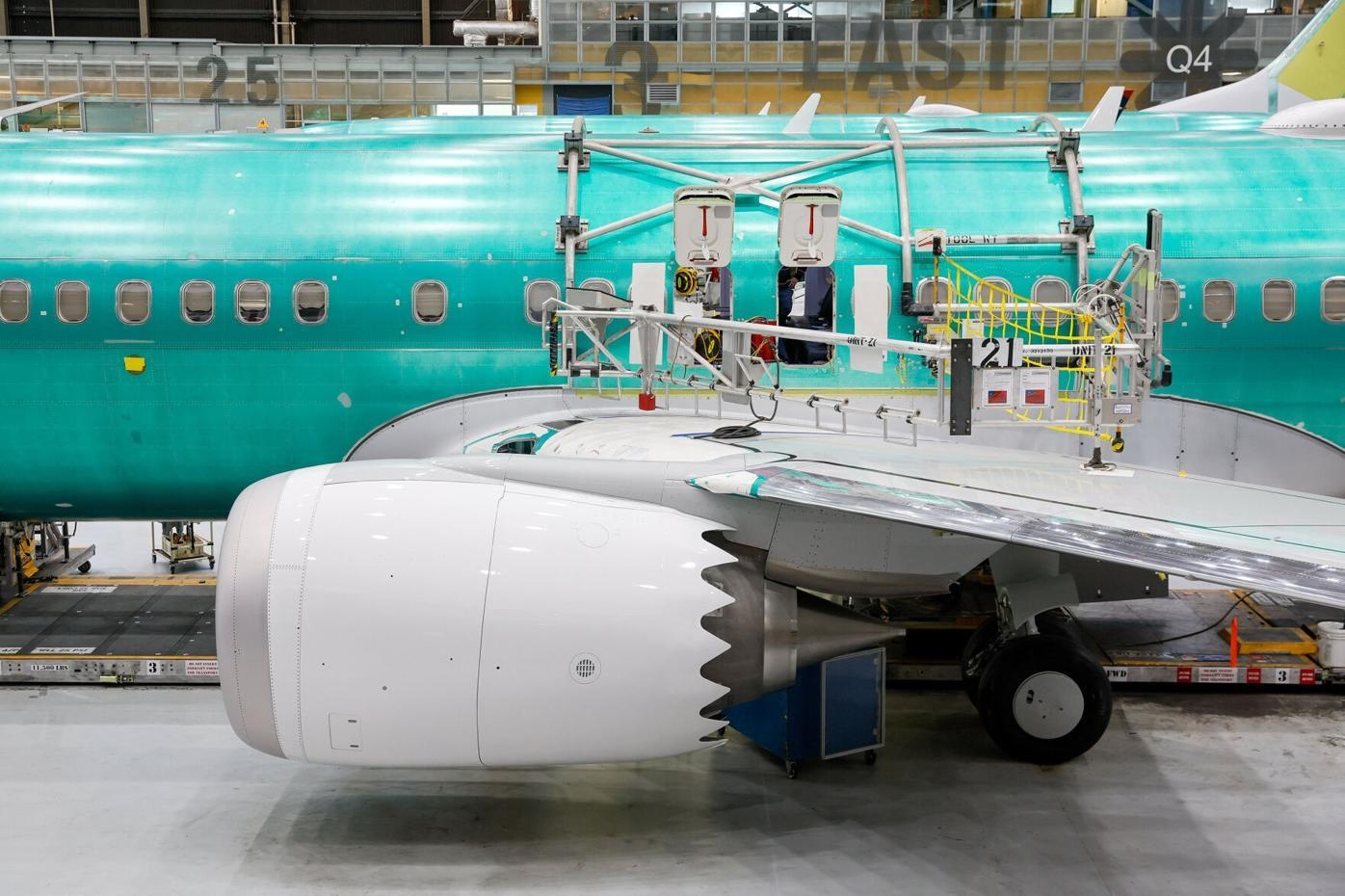
US Safety Board Issues Warning on Smoke Risks in Boeing 737 MAX Engines
The US National Transportation Safety Board (NTSB) has released a safety bulletin highlighting potential risks associated with smoke or fumes detected in the engines of Boeing 737 MAX aircraft. This development raises renewed concerns about the safety and reliability of the widely used model. The bulletin details incidents where smoke or fumes have been observed in the cockpit or cabin, creating operational challenges for airlines and prompting increased regulatory scrutiny.
Context and Industry Implications
The NTSB’s warning arrives at a particularly sensitive juncture for Boeing, which continues to grapple with questions surrounding the 737 MAX’s safety record following previous high-profile accidents and subsequent groundings. The agency has urged airlines and maintenance personnel to remain vigilant for any signs of smoke and to adhere strictly to recommended safety procedures designed to mitigate these risks.
The market response has been immediate, with investors and airline operators closely watching Boeing’s handling of the issue. Industry analysts suggest that this renewed focus on safety could affect Boeing’s competitive standing, as rival manufacturers may leverage the situation to highlight the reliability of their own aircraft. Regulatory authorities, including the Federal Aviation Administration (FAA), are anticipated to intensify oversight and may require Boeing to implement swift corrective measures to address the concerns raised.
Boeing’s Position and Regulatory Outlook
To date, Boeing has not issued a comprehensive public statement in response to the NTSB’s bulletin. However, the company has reiterated its commitment to safety and its ongoing cooperation with regulatory bodies. Amid mounting pressure, Boeing faces the challenge of reassuring both airline customers and the flying public as scrutiny intensifies.
As the aviation sector awaits further updates from Boeing and regulatory agencies, the NTSB’s warning serves as a reminder of the critical importance of stringent safety protocols and transparent communication in preserving confidence in commercial air travel.

Etihad Airways Suspends Airbus A380 Flights on Key Route

Aditya Birla Group Seeks Approval for Aircraft Leasing in GIFT City

Qatar Airways Highlights Innovation and Connectivity at Arabian Travel Market 2026

Hong Kong's Five-Year Plan Includes Andrew Fan's Aircraft Parts Processing Hub Proposal

ACIA Aero Leasing Delivers ATR72-600 to Air Nostrum

RTX Appoints Jill Albertelli as Head of Pratt & Whitney

TAT Technologies Joins Beyond Aero Hydrogen Aircraft Program

AURAK Study Highlights Barriers to Air Taxi Adoption in Emerging Economies

Xiamen Air Selects Altitude for 787 Maintenance at Heathrow

Etihad and Swissport Extend Global Partnership
