
将人工智能洞察转化为可执行行动

热门趋势
Categories
Uttarakhand Youth Ravi Tamta Develops Electric Flying Vehicle
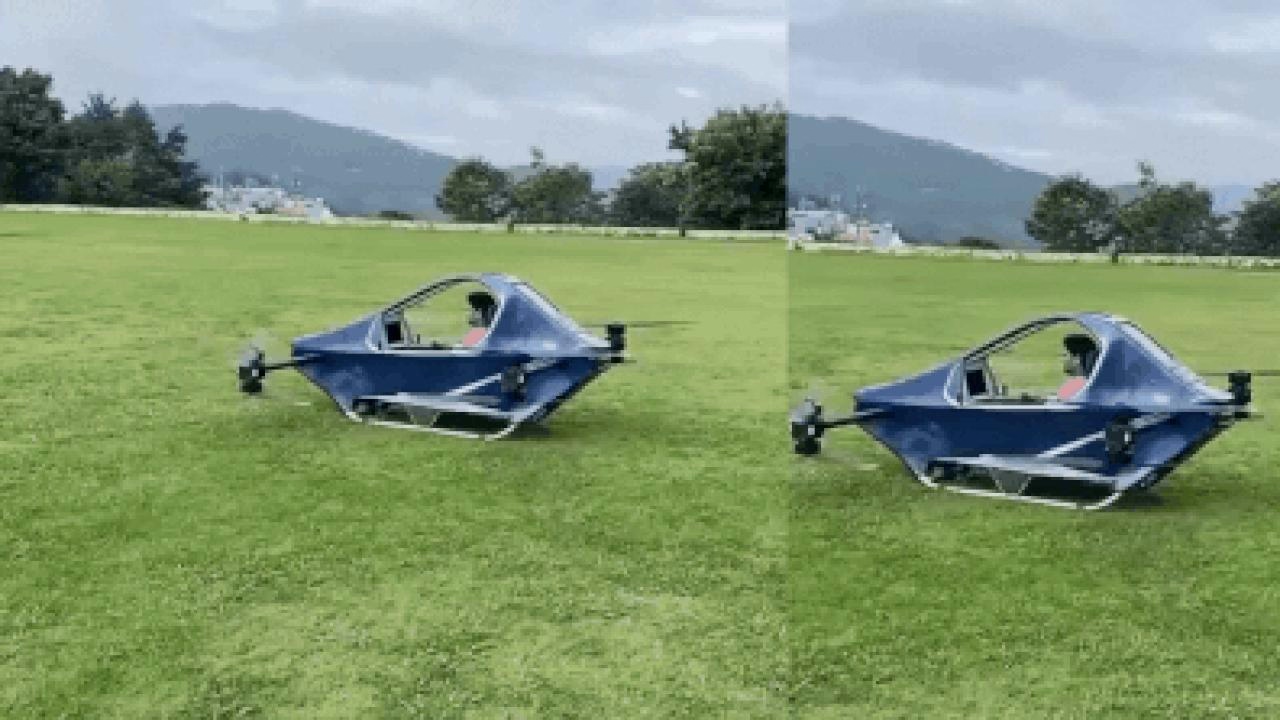
Uttarakhand Innovator Develops Electric Personal Flying Vehicle
Ravi Tamta, a young entrepreneur from Uttarakhand, has achieved a significant breakthrough by developing and successfully testing a prototype of an electric personal flying vehicle. The vehicle, named HAPIDA SKYNeX, was created under Tamta’s startup, Hapida Sky Private Limited, following several years of intensive research and development. This innovation marks a notable advancement in the region’s technological landscape and reflects a broader shift towards sustainable transportation solutions.
A Vision for Sustainable Air Mobility
Hailing from Kaflikhan village near Jageshwar Dham in Almora district, Tamta designed the fully electric vehicle as a zero-emission alternative to traditional personal transport. The project aims to provide safe, affordable, and environmentally friendly air mobility options within India, aligning with the growing global interest in next-generation transportation technologies. The successful flight test of the HAPIDA SKYNeX prototype has garnered attention and acclaim from both state and national leaders, underscoring the potential impact of this innovation.
Uttarakhand Chief Minister Pushkar Singh Dhami praised Tamta’s accomplishment, describing it as a testament to the scientific aptitude and talent of India’s youth. In a message posted on X (formerly Twitter), Dhami extended his congratulations and highlighted the achievement as an inspiration for young innovators across the country. Similarly, Union Civil Aviation Minister Ram Mohan Naidu Kinjarapu commended Tamta’s work, emphasizing that talent transcends geographical boundaries. He also acknowledged the support provided by Chief Minister Dhami and noted that under Prime Minister Narendra Modi’s leadership, India’s innovation ecosystem is flourishing, with breakthroughs emerging nationwide.
Challenges and Future Prospects
While the successful prototype test represents a major milestone, Tamta has emphasized that further testing and regulatory approvals are necessary before the vehicle can be commercially deployed. The path ahead involves navigating complex regulatory frameworks, addressing stringent safety requirements, and meeting rigorous certification standards—challenges that are typical in the nascent field of personal flying vehicles where safety and compliance are critical.
Market response to Tamta’s achievement has been overwhelmingly positive, with the development celebrated as a significant contribution from Uttarakhand to India’s expanding science and technology sector. Although the market for personal flying vehicles remains in its infancy and established aviation companies have yet to respond extensively, industry experts anticipate growing interest from major players as the technology matures and regulatory clarity improves.
As Tamta and his team continue to refine the HAPIDA SKYNeX, their work exemplifies grassroots innovation with the potential to transform personal mobility not only in India but also on a global scale.

Etihad Airways Suspends Airbus A380 Flights on Key Route

Aditya Birla Group Seeks Approval for Aircraft Leasing in GIFT City

Qatar Airways Highlights Innovation and Connectivity at Arabian Travel Market 2026

Hong Kong's Five-Year Plan Includes Andrew Fan's Aircraft Parts Processing Hub Proposal

ACIA Aero Leasing Delivers ATR72-600 to Air Nostrum

RTX Appoints Jill Albertelli as Head of Pratt & Whitney

TAT Technologies Joins Beyond Aero Hydrogen Aircraft Program

AURAK Study Highlights Barriers to Air Taxi Adoption in Emerging Economies

Xiamen Air Selects Altitude for 787 Maintenance at Heathrow

Etihad and Swissport Extend Global Partnership
