
将人工智能洞察转化为可执行行动

热门趋势
Categories
What an AI-Powered Journey Actually Looks Like

What an AI-Powered Journey Actually Looks Like
The Growing Role of AI in Travel
In the Asia-Pacific region, travelers’ attitudes toward artificial intelligence in holiday planning have evolved significantly in recent years. What was once met with skepticism has now become a routine part of the travel experience. Research conducted by Amadeus reveals that 40% of travelers are willing to allow AI to book their trips, while a similar proportion welcomes AI-generated destination suggestions. More than half express interest in receiving AI recommendations for dining options upon arrival. This acceptance extends beyond consumers; airlines worldwide are increasingly incorporating AI into various facets of their operations, including retail, customer service, and revenue management, demonstrating the technology’s expanding influence across the industry.
The critical question for airlines has shifted from what AI can automate to how it can meaningfully enhance the passenger experience throughout the entire journey. Identifying where AI adds genuine value remains paramount.
Enhancing the Travel Experience with AI
The journey often begins with inspiration. A traveler scrolling through social media might encounter an image of a serene island with turquoise waters and quiet beaches, sparking a desire to visit. With AI, a simple tap can present multiple bookable travel options, allowing the idea to take root without immediate commitment.
When it comes to planning and booking, AI offers a seamless alternative to navigating multiple websites. A traveler can describe their ideal trip to an AI assistant—such as a week-long family holiday to a Thai island during school break, with specific preferences for weather, activities, budget, and flights. The assistant then generates a tailored itinerary, including family-friendly accommodations, activities, and flights, all bookable directly through the airline’s platform. Payment is facilitated securely and conveniently, for example via Apple Pay, without leaving the chat interface.
AI also streamlines pre-trip adjustments and recommendations. Should plans change, such as needing to reschedule due to a friend’s birthday, AI voice assistants can handle requests promptly, eliminating the frustration of long customer service wait times.
Security Challenges and the Future of AI in Travel
Despite these advancements, the integration of AI in travel has surfaced significant security concerns. Incidents involving platforms like DeepSeek have exposed vulnerabilities that allowed users to bypass safety protocols and access sensitive system prompts. A major data breach compromising over a million records underscored the urgent necessity for robust security measures in AI systems. These breaches not only jeopardize user trust but also carry broader implications for the global AI landscape, particularly amid ongoing U.S.–China technological competition.
As AI continues to reshape the travel experience, maintaining operational integrity and public confidence will require sustained investment in security. The promise of convenience and enhanced service must be matched by a commitment to safeguarding the technology’s reliability and safety.
What Leaders Can Learn About AI from Pilots
SalamAir Establishes First Airline Base in Salalah

Bird Aviation Museum Preserves Legacy of Innovation
The Changing Landscape of Aviation Aftermarket Services
Airbus Shares Steady as Airlines Plan A321XLR Route Expansion

Australian Aerospace Engineering Opens New MRO Facility in Albury
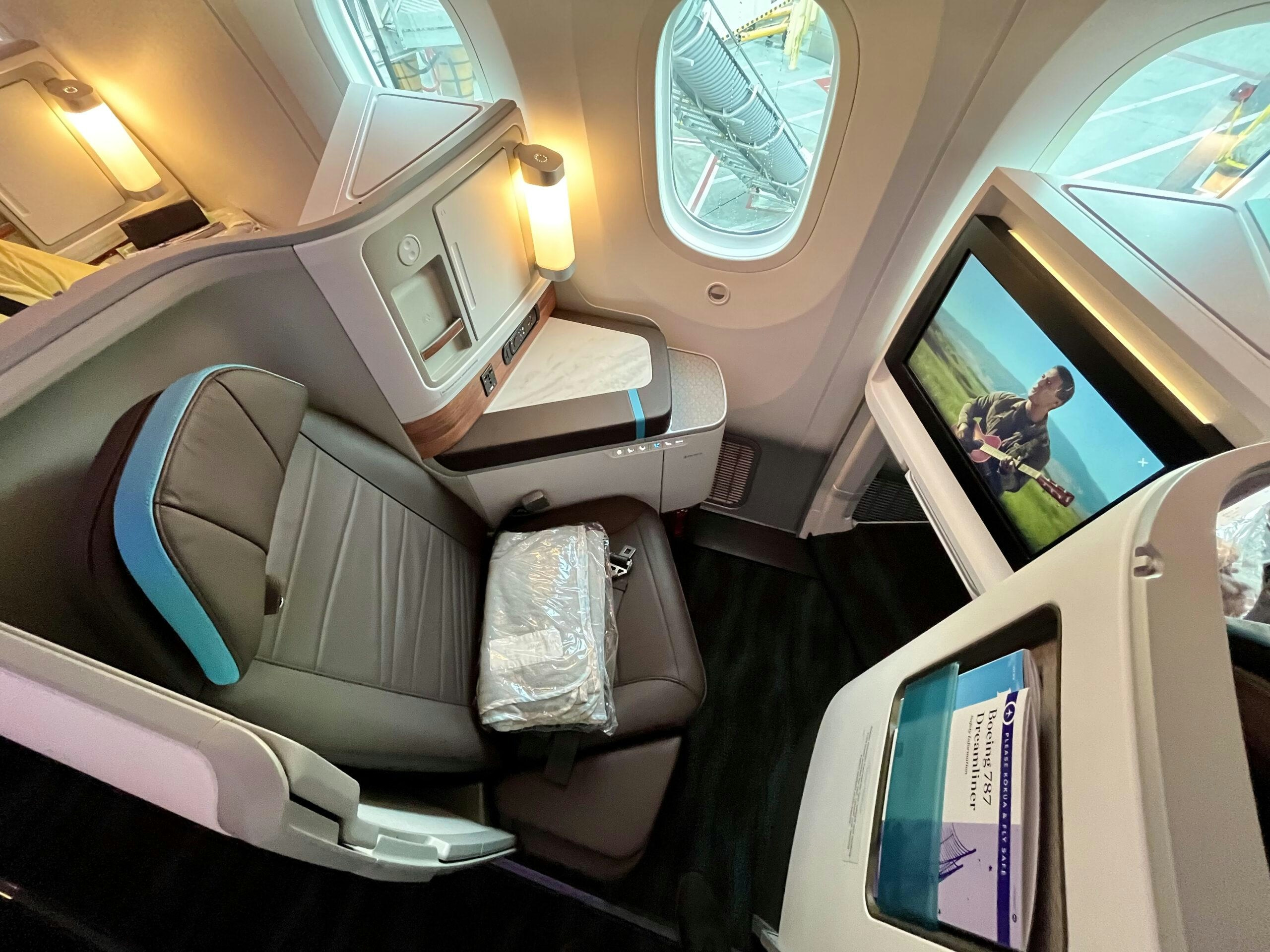
What Passengers Should Know About Booking Lie-Flat Seats on Domestic US Flights

Airbus Faces Twin Headwinds: Spanish Strike Escalates as Belfast Expansion Signals Long-Term Confidence

Mexican Air Force Searches for Key Interceptor Component

Airline Invests $400 Million in New Boeing 787 Business Class Suites
