
AeroGenie — 您的智能副驾驶。

热门趋势
Categories
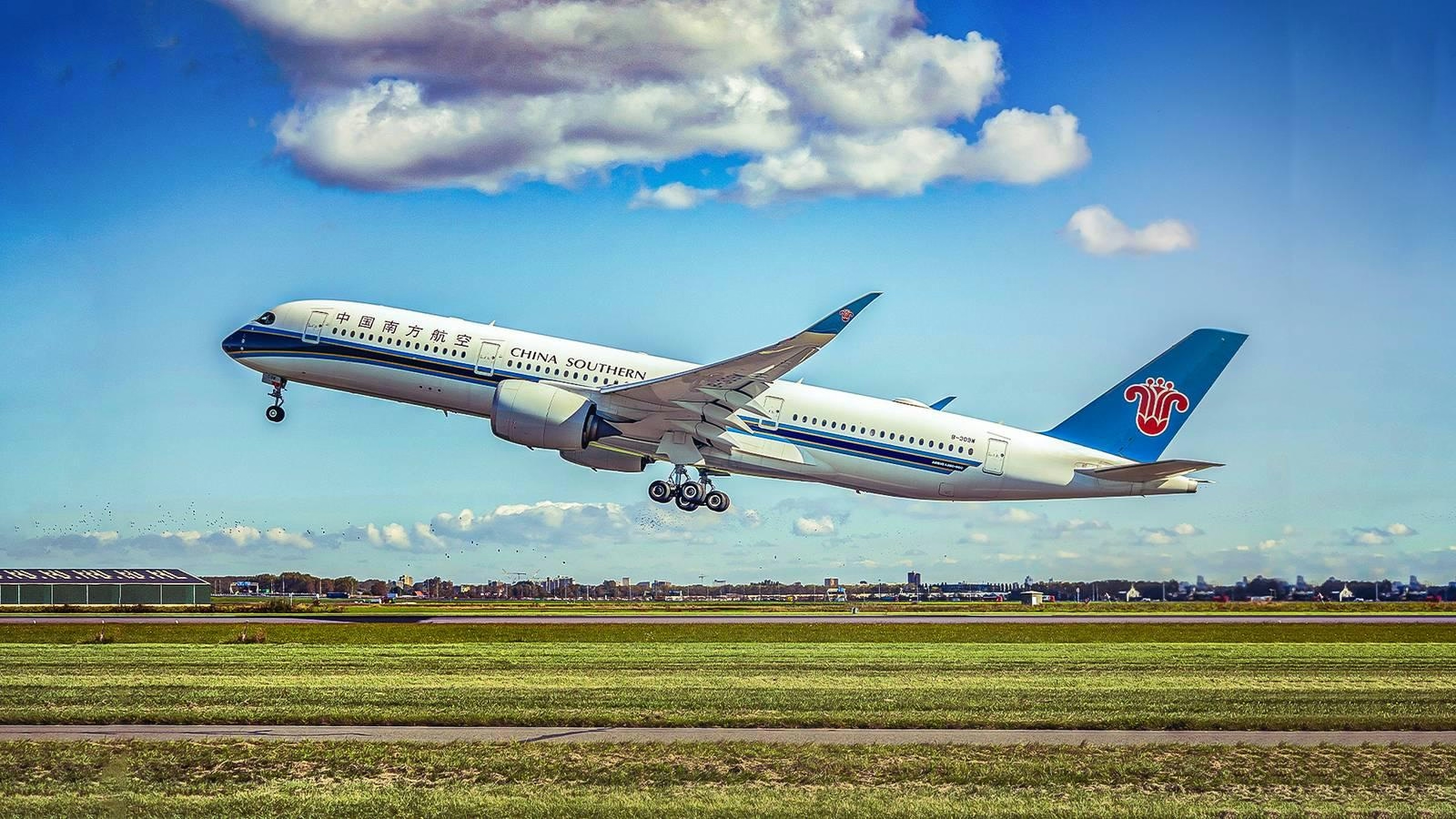
Why the Airbus A350 Is More Fuel Efficient
Why the Airbus A350 Is More Fuel Efficient
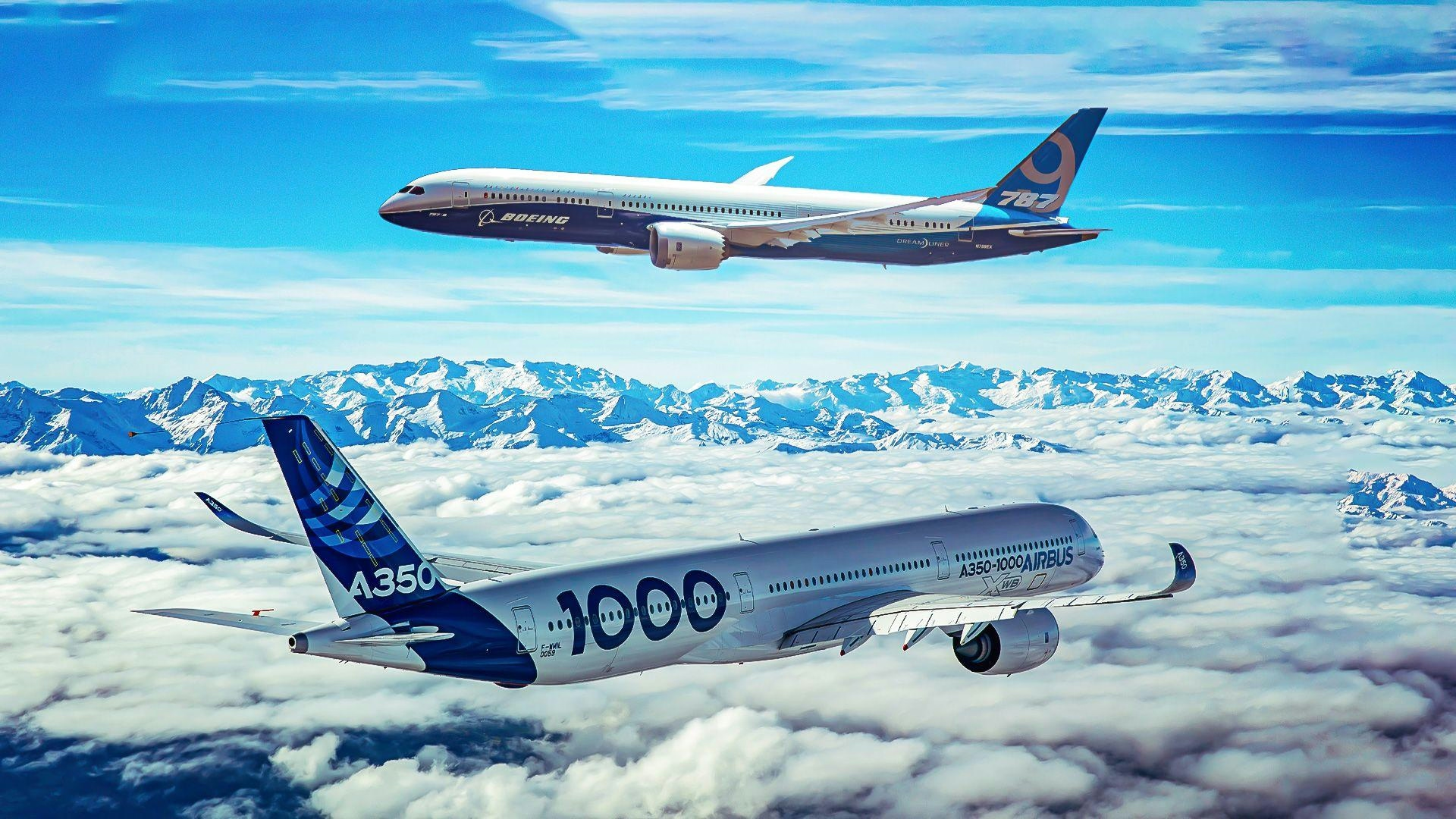
The introduction of the Boeing 787 Dreamliner in 2011 marked a significant milestone in commercial aviation, showcasing a range of advanced technologies that initially caught Airbus by surprise. Boeing’s early lead allowed the 787 to become the best-selling widebody aircraft, but Airbus responded decisively with the launch of the A350 in 2015. Since then, the A350 has garnered widespread recognition for its innovative design and superior fuel efficiency.
While both the Boeing 787 and Airbus A350 represent major advancements in fuel economy compared to earlier models, the A350 distinguishes itself by achieving these efficiencies in a larger airframe. The 787’s success has been driven in part by its smaller variants, but the A350 has emerged as a strong competitor, particularly against the 787-10 and the upcoming Boeing 777X.
Engineering Innovations: The A350’s Structural Advantage
The A350’s fuel efficiency is largely attributed to its extensive use of carbon fiber reinforced plastic (CFRP) in the fuselage, wings, and other key structural components. This advanced composite material enables Airbus to reduce the aircraft’s weight by between 15% and 30%, equating to as much as 20 tons less than traditional aluminum construction. The aircraft’s four-panel carbon fiber fuselage design allows engineers to vary panel thickness strategically, reinforcing high-stress areas while minimizing weight elsewhere. These panels are cured in large autoclaves, producing a structure that is lighter than aluminum yet stronger than steel.
This reduction in weight offers several operational benefits. The lighter airframe allows the A350 to reach takeoff rotation speed more rapidly, thereby shortening the high-thrust phase of flight, which is the most fuel-intensive. It also climbs more efficiently to cruising altitude, where engines operate at optimal efficiency, and maintains a flatter flight profile that reduces aerodynamic drag, further conserving fuel.
Advanced Powerplants: Rolls-Royce Trent XWB Engines
Integral to the A350’s performance are its Rolls-Royce Trent XWB turbofan engines, which were specifically developed for this aircraft. Two variants power the A350-900 and A350-1000 models, both featuring a 118-inch fan diameter and a sophisticated three-shaft design. The XWB-97 engine, used on the larger A350-1000, incorporates a 5% larger core and operates at a 6% higher fan speed, optimizing thrust and efficiency for the bigger airframe. Rolls-Royce continues to refine these engines, enhancing fuel savings and reliability through ongoing improvements.
Operational Impact and Airline Adoption
The A350’s fuel efficiency has translated into tangible benefits for airlines. KLM, for example, has reported that the A350 consumes 25% less fuel than its Boeing 777-200ER fleet, a critical factor in its decision to renew its long-haul aircraft. Similarly, Qantas has conducted flight tests with the A350-1000, aiming to reduce flight times by up to four hours on long-haul routes by capitalizing on the aircraft’s extended range and fuel economy.
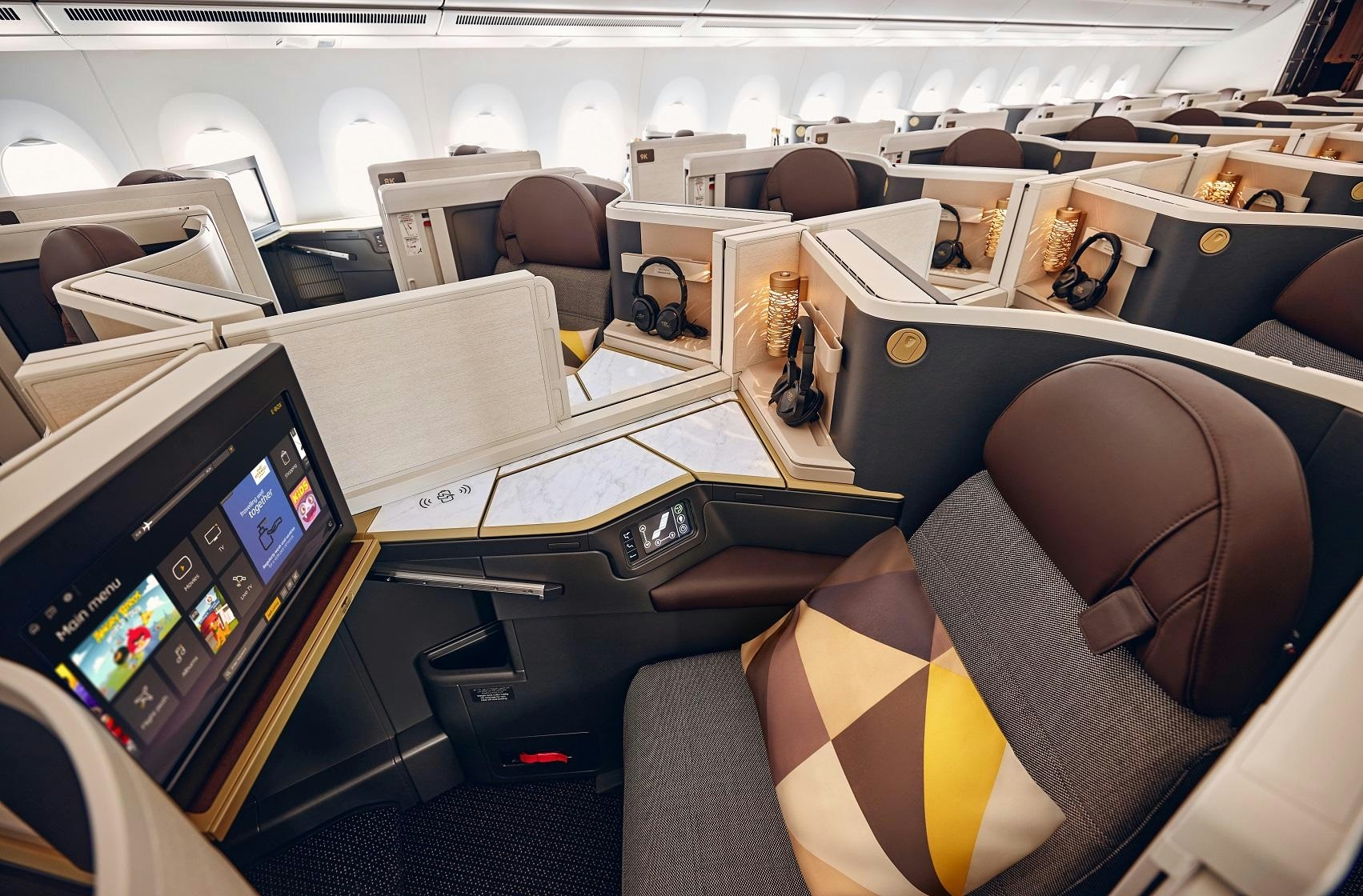
In addition to its operational advantages, Airbus has invested in cabin innovations to enhance passenger comfort. The A350-1000’s advanced first-class design exemplifies the company’s commitment to combining efficiency with an improved travel experience.
The Airbus A350’s integration of lightweight composite materials, cutting-edge engines, and innovative design features establishes it as a leader in fuel efficiency, offering airlines a compelling option to reduce both operational costs and environmental impact.

VietJet Air to Dry Lease Ten C909 Aircraft from Chinese Lessor
ANTAVIA Wins Héroux-Devtek ARC Contract

MIAT Mongolian Airlines Adopts RateGain’s AI Platform to Boost Pricing Agility

MIAT Mongolian Airlines Selects AirGain for Pricing Solutions
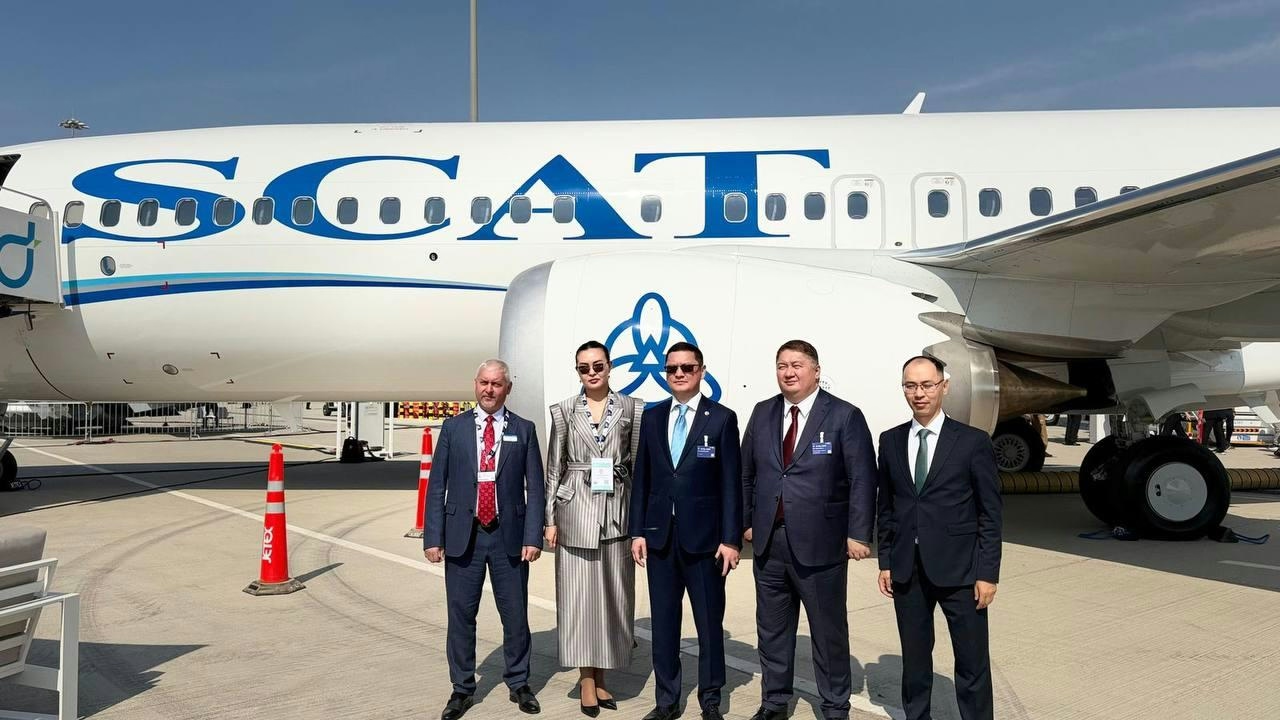
Kazakhstan's SCAT Airlines Acquires Full Ownership of Southern Sky
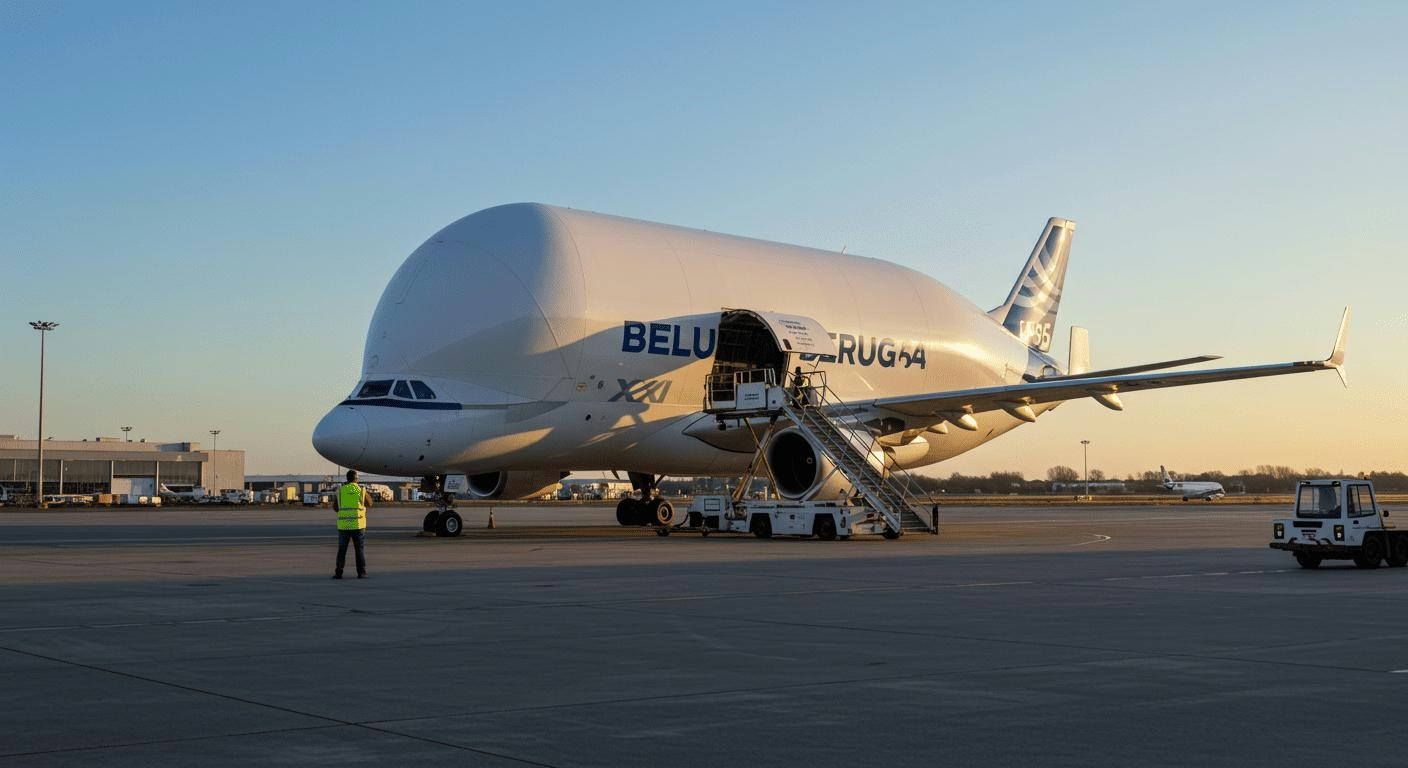
Six Airbus Aircraft That Shaped Modern Aviation
Six Airbus Jets That Challenged Boeing’s Dominance

Dubai Opens First Dedicated Air-Taxi Station Near DXB Airport
Brazil Joins US and Europe in Introducing Narrowbody Lie-Flat Suites for Premium Air Travel
Manatee Technical College Opens Aviation School at SRQ to Train Aircraft Mechanics
