
حوّل رؤى الذكاء الاصطناعي إلى أفعال منسّقة

الرائج الآن
Categories
Air Canada Orders Eight Airbus A350-1000s
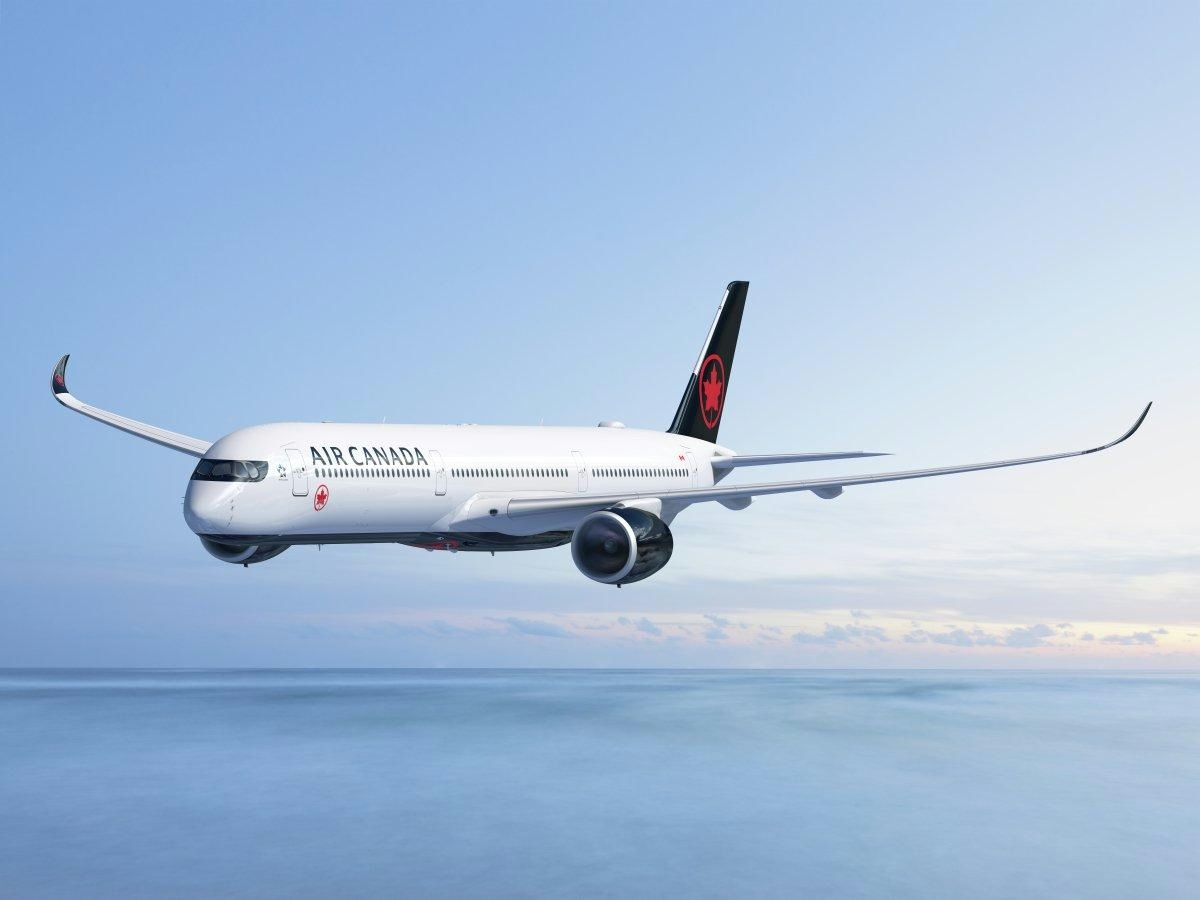
Air Canada Commits to Eight Airbus A350-1000s in Fleet Modernization Drive
Air Canada has confirmed a firm order for eight Airbus A350-1000 aircraft, with options to acquire an additional eight, marking a significant step in its ongoing fleet renewal strategy. Deliveries are scheduled to commence in the latter half of 2030. The airline anticipates that the new widebody jets will reduce fuel consumption by approximately 25% compared to its older models, enhancing long-haul capacity and operational efficiency, particularly on transatlantic routes between Canada and Europe.
Enhancing Efficiency and Passenger Experience
The Airbus A350-1000 is distinguished by its advanced composite airframe and state-of-the-art engines, which contribute to a lighter structure, extended range, and quieter cabins. Air Canada expects these aircraft to deliver substantially lower seat costs and improved emissions performance, aligning with the airline’s goals to serve both premium and leisure travelers on routes with significant business demand. The management has emphasized that this acquisition is pivotal to refreshing its widebody fleet, aiming to reduce unit costs while advancing sustainability objectives. Additionally, standardizing the fleet with newer aircraft models is projected to simplify maintenance and training processes over time.
Implications for the European Market and Cargo Transport
The order holds particular significance for Swiss investors and the broader European market, underscoring ongoing demand for efficient widebody aircraft and the potential for enhanced service reliability on key Canada-Europe corridors. Switzerland, strategically located along these transatlantic routes, is expected to benefit from increased capacity and improved scheduling for flights to and from Zurich and Geneva. The A350-1000’s fuel efficiency and larger seating capacity may contribute to fare stabilization, supporting both inbound tourism and outbound family travel. Furthermore, the aircraft’s improved cabin comfort and higher humidity levels are likely to attract premium leisure and business travelers seeking an elevated long-haul experience.
Cargo capacity is another critical consideration. The A350-1000’s robust payload and range capabilities are well-suited to Swiss exporters in industries such as pharmaceuticals, machinery, and luxury goods. Enhanced fuel efficiency will help maintain cargo viability amid pressure on yields, thereby sustaining vital trade links between Swiss manufacturers and North American markets.
Financial and Industry Context
Despite the strategic advantages, the order presents financial challenges. The substantial upfront costs and long-term financial commitments associated with acquiring new aircraft could impose strain on Air Canada’s balance sheet, particularly in a volatile market environment. Market reactions have been mixed; some analysts regard the purchase as a forward-looking investment in fleet renewal and long-haul competitiveness, while others express caution regarding its financial implications.
Competitor responses have already begun to surface. Major carriers, including Delta Air Lines, have recently announced additional orders for Airbus A330 and A350 widebody jets, reflecting a broader industry trend toward next-generation aircraft adoption. Concurrently, Boeing’s ongoing difficulties, as highlighted in recent financial disclosures, may further influence market dynamics and shape airline strategies within the long-haul segment.
For Airbus, the Air Canada order strengthens the A350 backlog, providing long-term production visibility and stability for suppliers across Europe. With delivery schedules extending well into the next decade, the deal offers reassurance to investors seeking consistent cash flow from original equipment manufacturers.
Air Canada’s commitment to the A350-1000 thus signals confidence in the recovery of international travel demand post-pandemic, a firm dedication to sustainability, and alignment with a wider industry shift toward modern, efficient widebody fleets—developments that continue to attract close attention from investors and competitors worldwide.

Etihad Airways Suspends Airbus A380 Flights on Key Route

Aditya Birla Group Seeks Approval for Aircraft Leasing in GIFT City

Qatar Airways Highlights Innovation and Connectivity at Arabian Travel Market 2026

Hong Kong's Five-Year Plan Includes Andrew Fan's Aircraft Parts Processing Hub Proposal

ACIA Aero Leasing Delivers ATR72-600 to Air Nostrum

RTX Appoints Jill Albertelli as Head of Pratt & Whitney

TAT Technologies Joins Beyond Aero Hydrogen Aircraft Program

AURAK Study Highlights Barriers to Air Taxi Adoption in Emerging Economies

Xiamen Air Selects Altitude for 787 Maintenance at Heathrow

Etihad and Swissport Extend Global Partnership
