
حوّل رؤى الذكاء الاصطناعي إلى أفعال منسّقة

الرائج الآن
Categories
Aircraft Leasing Costs to Keep Airline Fares Elevated, Says Pran Sathiadasan
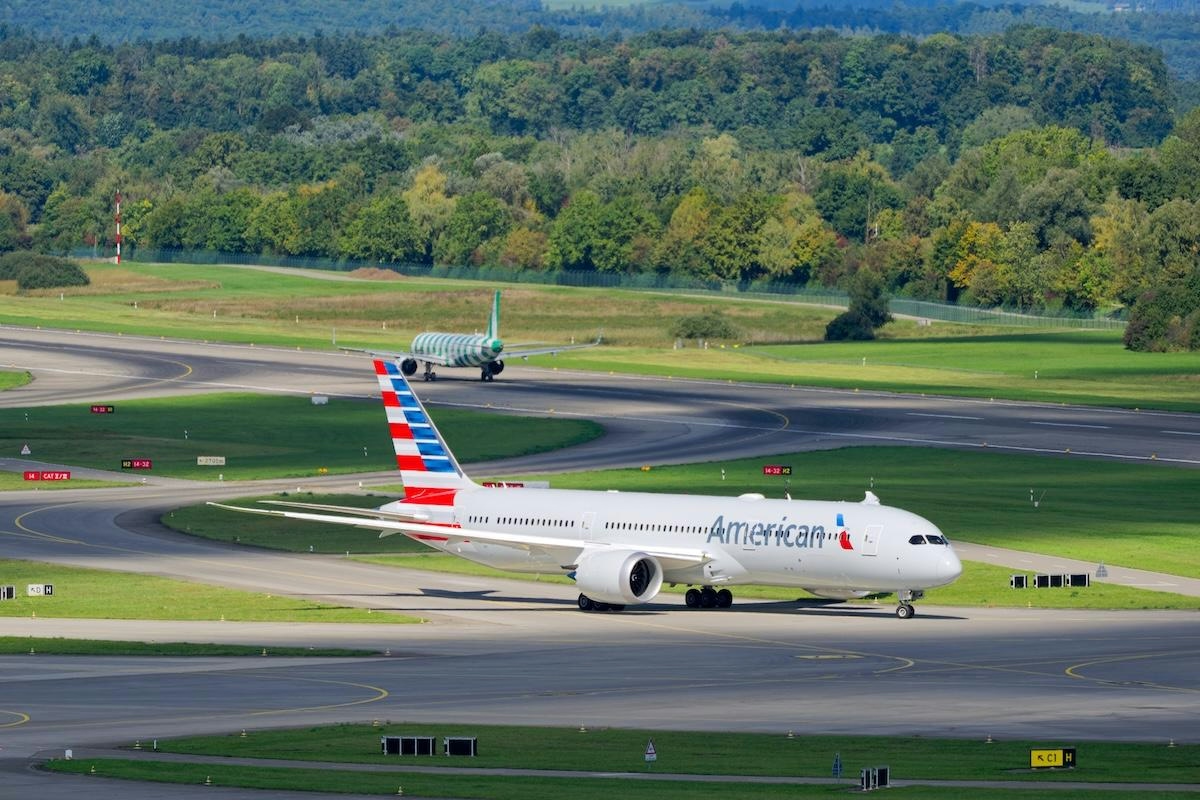
Aircraft Leasing Costs to Keep Airline Fares Elevated, Says Pran Sathiadasan
Aircraft leasing and financing expenses are poised to remain a significant factor driving elevated airline fares, according to Pran Sathiadasan, Vice President of Commercial Operations for the Indian Subcontinent at flydubai. Speaking at the seventh edition of TravTalk ThinkTank, Sathiadasan emphasized that while fuel prices often dominate industry discourse, the financial burden associated with aircraft leasing plays an equally critical role in shaping airline economics and ticket pricing.
The Impact of Leasing Costs and Currency Fluctuations
Sathiadasan drew attention to the widespread adoption of the sale-and-leaseback model among airlines, highlighting how fluctuations in currency exchange rates—particularly the strengthening of the US dollar—can sharply increase leasing expenses for carriers. He noted, “Increases in the dollar exchange rate can significantly raise leasing costs, adding further financial pressure,” underscoring that airlines are frequently compelled to offset these rising costs through higher fares.
This challenge is further exacerbated by persistently high oil prices, which continue to affect airline operations worldwide. Although international agreements occasionally provide some relief on fuel costs, Sathiadasan pointed out that airlines may still maintain elevated fares due to constrained capacity and ongoing financial pressures stemming from leasing and financing obligations.
Industry Responses and Sector Vulnerabilities
Recent developments within the industry illustrate the complexity of managing these costs. In Nigeria, the establishment of a new domestic leasing firm aims to reduce expenses for local carriers by offering aircraft at lower interest rates, countering the high rates imposed by foreign lessors. This initiative contrasts with the difficulties faced by many airlines globally, which must navigate volatile exchange rates and rising financing costs.
The budget airline sector has also encountered significant challenges. The collapse of Spirit Airlines and the subsequent operational difficulties experienced by Frontier Airlines have highlighted the sector’s vulnerability to surging fuel prices and persistent customer service issues. These cases demonstrate how both fuel and leasing costs can threaten the sustainability of low-cost carriers, compelling them to reevaluate their pricing strategies and business models.
Sathiadasan concluded by reaffirming that while fuel prices remain a visible component in fare calculations, the less-discussed but equally critical costs of aircraft financing and leasing will continue to influence the industry’s pricing landscape. As airlines contend with these pressures, passengers are likely to face sustained high fares in the near term.

Etihad and Swissport Extend Global Partnership
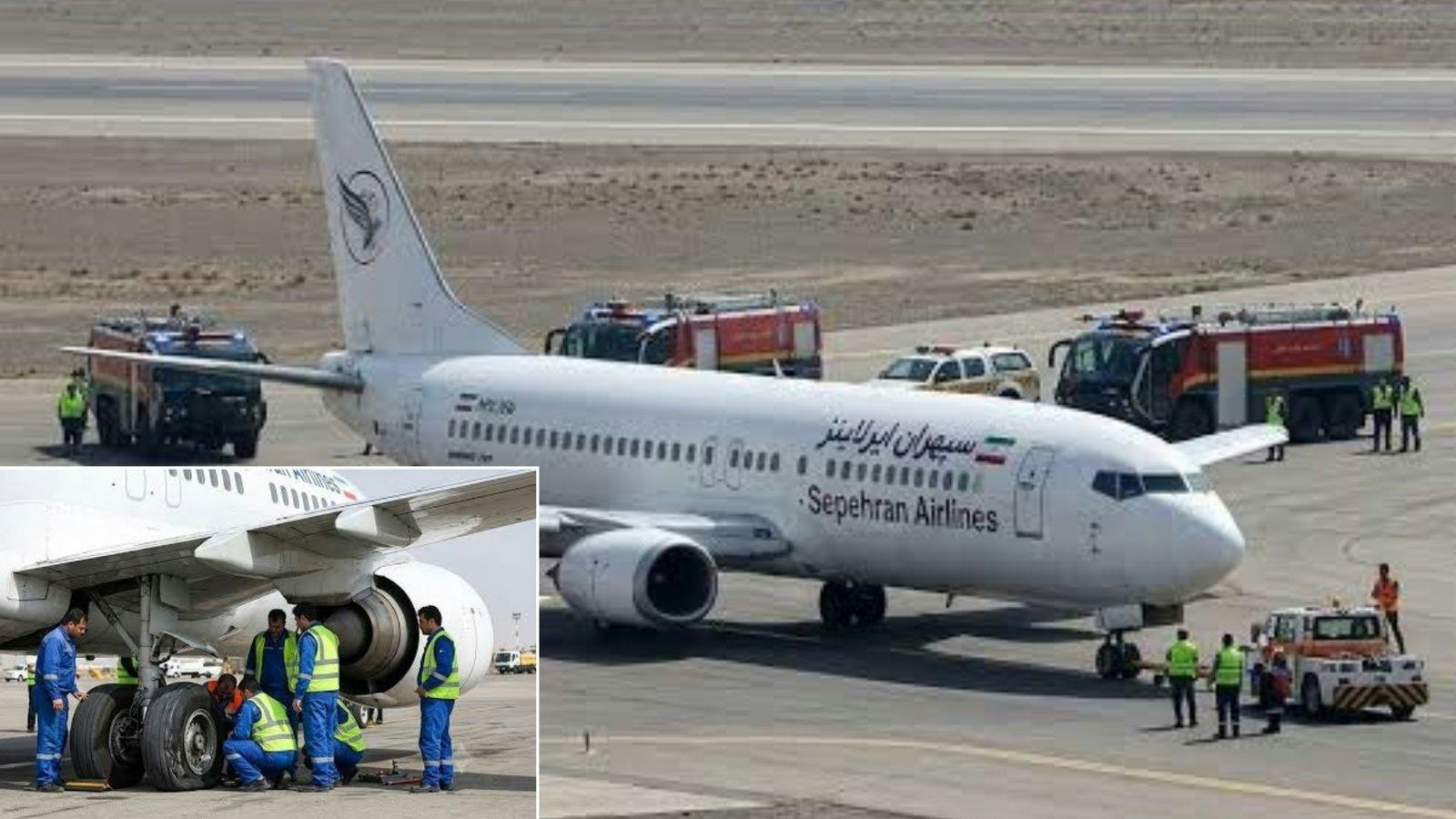
Sepehran Airlines B737 Returns to Mashhad After Tyre and Engine Issues

Etihad Deploys Widebody Fleet to Meet Strong Demand

Korean Air Finalizes $36.2 Billion Deal with Boeing

Australia’s RFDS Queensland Section Orders Six King Air 260Cs

Korean Air Finalizes Order for 103 Boeing Jets and Engines

Embraer E195-E2 Features Distinctive Engine Placement Among Regional Jets

What Passengers Can Expect on Boeing’s New 777X Jet

How Ethiopian Airlines Became Africa’s Leading Carrier Amid Gulf Competition

Joby Aviation Extends Autonomous Flight Capabilities with Cross-Country Tour
