
حوّل رؤى الذكاء الاصطناعي إلى أفعال منسّقة

الرائج الآن
Categories
Azul Airlines and Major Carriers Revamp Widebody Fleets to Cut Costs and Expand Long-Haul Routes
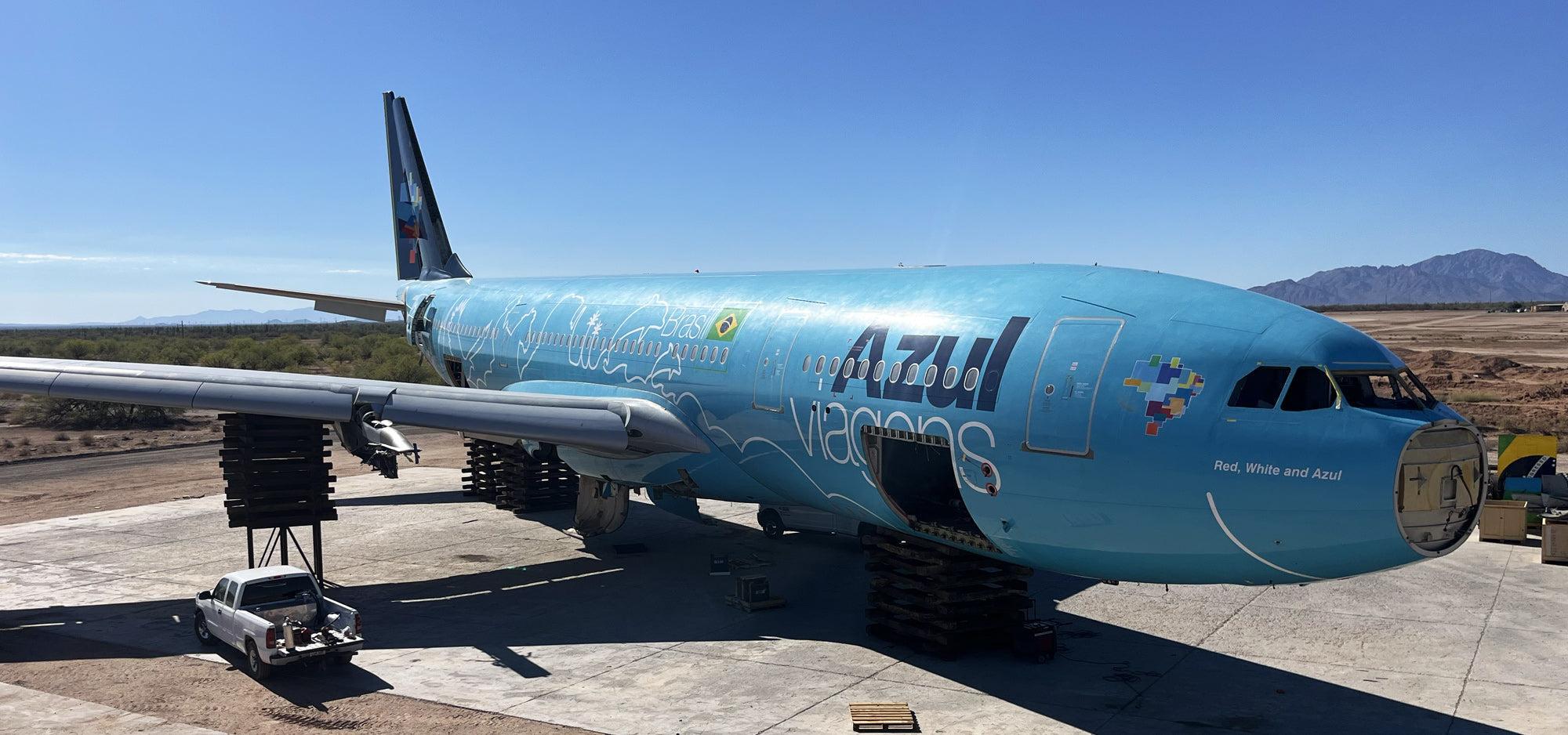
Azul Airlines and Major Carriers Revamp Widebody Fleets to Cut Costs and Expand Long-Haul Routes
Azul Brazilian Airlines is spearheading a significant transformation within the global aviation sector, aligning with major international carriers such as Scandinavian Airlines (SAS), Air India, Philippine Airlines, and Lufthansa in overhauling their widebody fleets. This widespread industry initiative aims to reduce operational costs, stimulate long-haul growth, and redefine the landscape of international air travel. Airlines are retiring older aircraft, renegotiating costly leases, and investing in more fuel-efficient models to enhance long-term competitiveness amid an increasingly challenging market environment.
For passengers, these developments promise enhanced reliability, modernized cabin experiences, and broader international connectivity. For the airlines themselves, the focus remains on establishing more sustainable and competitive long-haul operations in the face of intensifying global competition.
Azul’s Strategy: Financial Recovery and Lease Renegotiations
Following its successful Chapter 11 restructuring earlier this year, Azul has entered a critical phase of financial recovery. The airline emerged from bankruptcy protection in February after eliminating approximately US$2.5 billion in debt and lease obligations. Building on this foundation, Azul is now renegotiating leases on its Airbus A330 fleet to secure substantially lower payments. This strategy is designed to improve liquidity and support long-term growth across its international network.
Unlike some carriers that have scaled back international services, Azul is collaborating closely with lessors to maintain its widebody fleet. This approach preserves vital connectivity to key markets while reducing fixed operating expenses. By focusing on operational optimization and profitability rather than retrenchment, Azul aims to strengthen its position in the competitive long-haul market.
Global Fleet Renewal and Competitive Dynamics
Azul’s initiatives reflect a broader trend among leading airlines worldwide. Scandinavian Airlines, having also emerged from Chapter 11, is replacing its aging A330s with 18 new Airbus A330-900neos as part of a US$10 billion fleet renewal program. Air India is retrofitting 40 legacy Boeing 787 and 777 widebodies and is evaluating the acquisition of additional Airbus A350s and Boeing 777Xs to support its long-haul expansion plans. Philippine Airlines is preparing to replace older A330s and expand its long-haul operations with new Boeing 787-10s and Airbus A350-1000s. Meanwhile, the Lufthansa Group continues its widebody renewal by adding more Airbus A350-900s and Boeing 787-9s while retiring older aircraft.
In North America, American Airlines is actively pursuing a major widebody order from Boeing or Airbus to remain competitive with Delta and United, both of which have already placed significant aircraft orders. This intensifying competition among U.S. carriers could have implications for Azul, particularly as these airlines expand their international routes into markets where Azul operates.
Market Consolidation and Emerging Challenges
The competitive environment is further influenced by consolidation among European airline giants such as Lufthansa, Air France-KLM, and International Airlines Group. This trend toward greater market concentration may pose additional challenges for Azul, as larger carriers leverage their scale to dominate key international routes and negotiate more favorable terms with aircraft manufacturers and lessors.
The Future of Long-Haul Aviation
As airlines worldwide modernize their widebody fleets, the aviation industry is entering a new era characterized by enhanced efficiency, sustainability, and global connectivity. Azul and its peers face the ongoing challenge of navigating rising competition and market consolidation while striving to deliver improved service and value to passengers. The decisions made in this transformative period will significantly influence the future of long-haul aviation for millions of travelers around the world.

Etihad and Swissport Extend Global Partnership
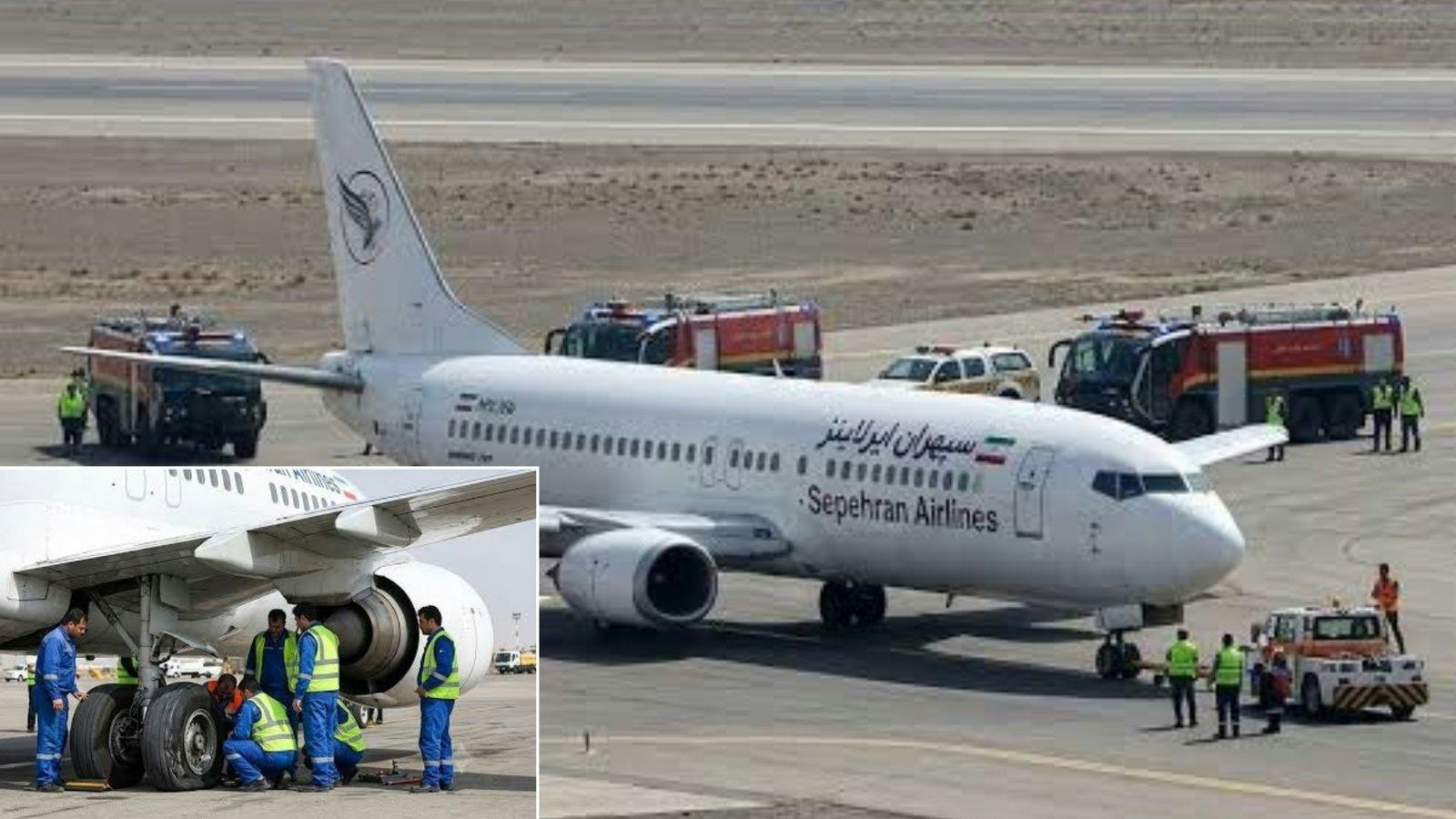
Sepehran Airlines B737 Returns to Mashhad After Tyre and Engine Issues

Etihad Deploys Widebody Fleet to Meet Strong Demand

Korean Air Finalizes $36.2 Billion Deal with Boeing
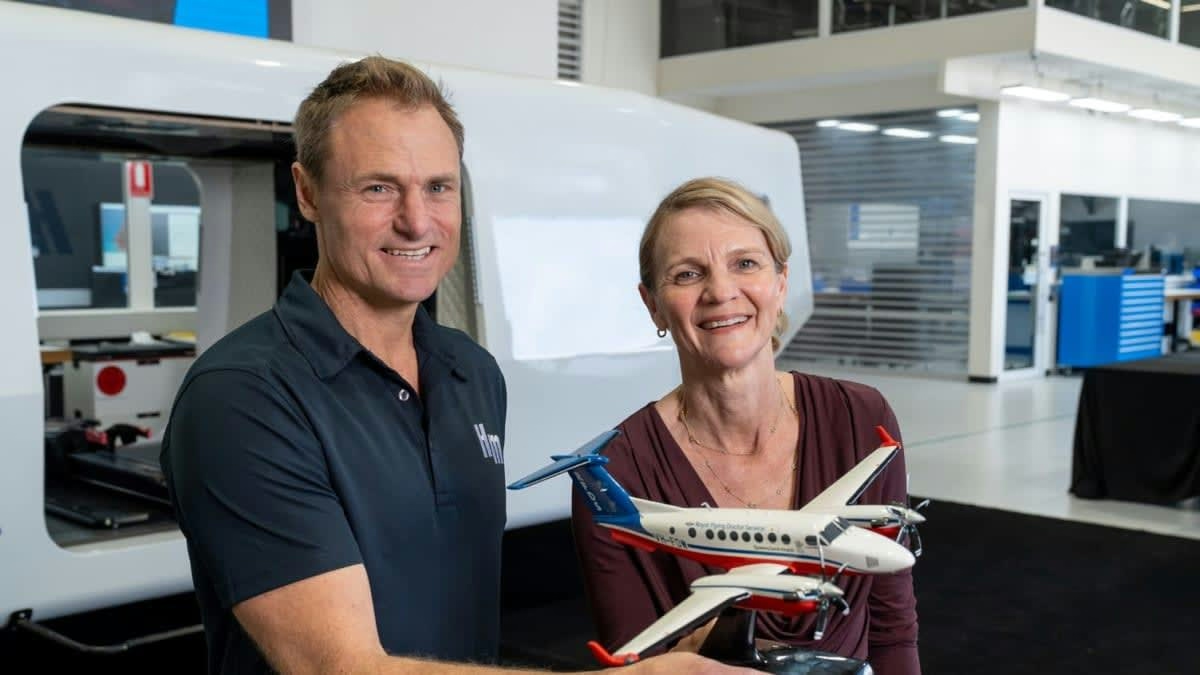
Australia’s RFDS Queensland Section Orders Six King Air 260Cs

Korean Air Finalizes Order for 103 Boeing Jets and Engines

Embraer E195-E2 Features Distinctive Engine Placement Among Regional Jets

What Passengers Can Expect on Boeing’s New 777X Jet
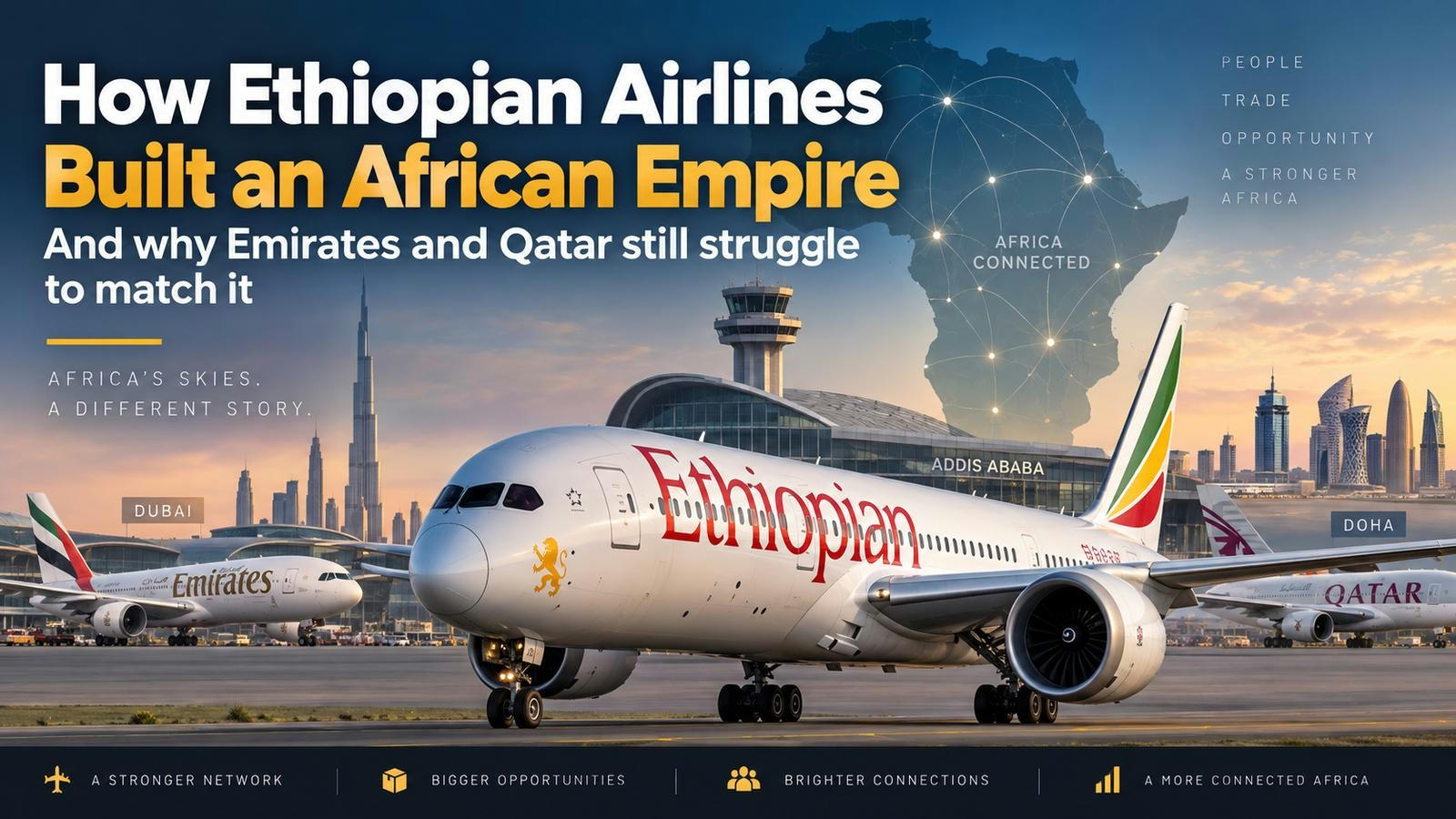
How Ethiopian Airlines Became Africa’s Leading Carrier Amid Gulf Competition

Joby Aviation Extends Autonomous Flight Capabilities with Cross-Country Tour
