
حوّل رؤى الذكاء الاصطناعي إلى أفعال منسّقة

الرائج الآن
Categories
Dubai to Introduce Flying Taxis: Key Facts
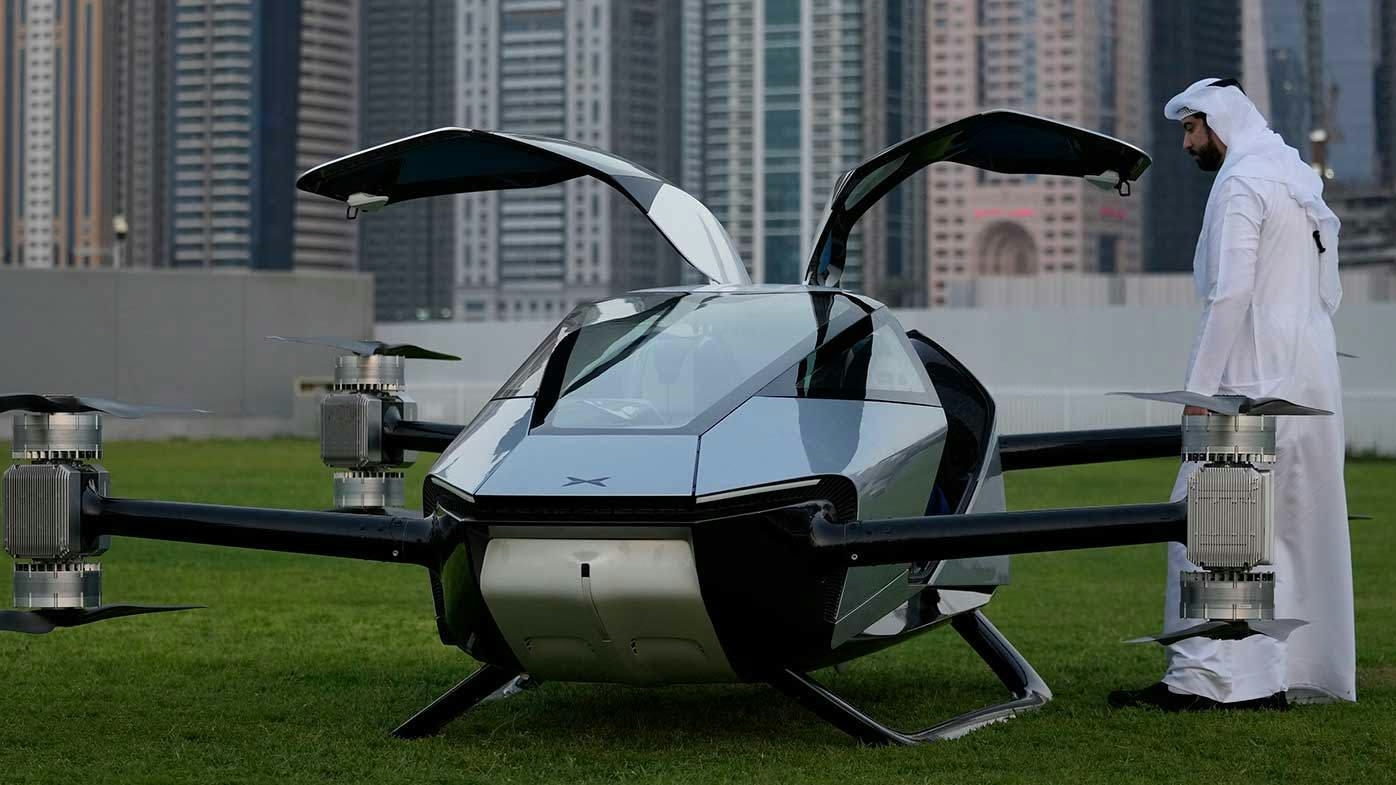
Dubai to Introduce Flying Taxis: Key Developments
Dubai is poised to transform urban transportation with the introduction of a citywide flying taxi service, potentially launching as early as 2026. The Roads and Transport Authority (RTA) of Dubai recently announced this ambitious plan in collaboration with California-based Joby Aviation, a leader in electric vertical takeoff and landing (eVTOL) technology. A successful test flight conducted by the partners marks a significant milestone in the development of urban air mobility within the city.
Partnership and Market Position
Joby Aviation has secured exclusive rights to operate flying taxis in Dubai for the next six years, positioning the company at the forefront of the city’s aerial mobility market. This exclusivity underscores Dubai’s commitment to pioneering advanced transportation solutions, although it also signals the beginning of heightened competition. Other companies, including Archer Aviation and Pony.ai, are actively developing their own autonomous and electric mobility technologies, indicating a rapidly evolving and competitive landscape in urban air travel.
Challenges Ahead
Despite the promising outlook, several critical challenges must be addressed before flying taxis become a routine mode of transport in Dubai. Regulatory approval remains a significant obstacle, as authorities are tasked with establishing comprehensive safety standards and operational protocols tailored to urban air travel. Infrastructure development is equally vital; the city will need to construct dedicated vertiports and ensure seamless integration of flying taxis with existing transportation networks. Additionally, community engagement is essential to address concerns related to noise pollution and disruption, with resident input playing a key role in route planning and facility placement.
Market and Public Response
Reactions to Dubai’s flying taxi initiative have been mixed. While many view the project as a bold and innovative step toward the future of mobility, others emphasize the necessity of stringent safety measures and transparent regulatory oversight. The announcement has attracted global attention, with industry players closely monitoring Dubai’s progress and preparing their own strategies to enter the emerging market.
As Dubai advances its flying taxi program, the city’s ability to balance technological innovation with safety, infrastructure readiness, and community acceptance will be crucial. Success in these areas could establish Dubai as a global leader in urban air mobility, transforming the concept of flying above traffic from a futuristic vision into an everyday reality.

Etihad Airways Suspends Airbus A380 Flights on Key Route

Aditya Birla Group Seeks Approval for Aircraft Leasing in GIFT City

Qatar Airways Highlights Innovation and Connectivity at Arabian Travel Market 2026

Hong Kong's Five-Year Plan Includes Andrew Fan's Aircraft Parts Processing Hub Proposal

ACIA Aero Leasing Delivers ATR72-600 to Air Nostrum

RTX Appoints Jill Albertelli as Head of Pratt & Whitney

TAT Technologies Joins Beyond Aero Hydrogen Aircraft Program

AURAK Study Highlights Barriers to Air Taxi Adoption in Emerging Economies

Xiamen Air Selects Altitude for 787 Maintenance at Heathrow

Etihad and Swissport Extend Global Partnership
