
حوّل رؤى الذكاء الاصطناعي إلى أفعال منسّقة

الرائج الآن
Categories
EASA Warns of Potential Fraudulent Aircraft Engine Parts
EASA Issues Warning on Fraudulent Aircraft Engine Parts
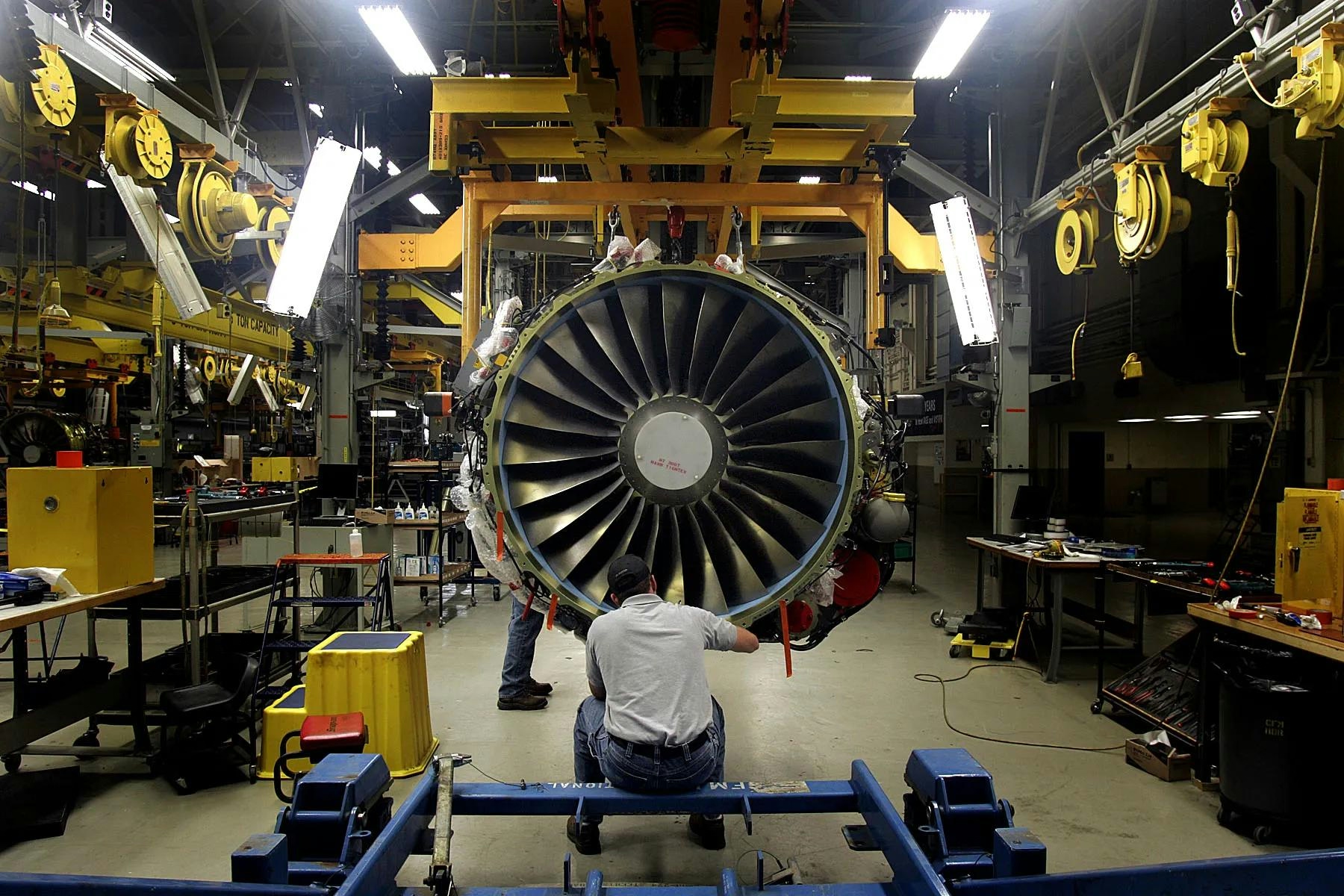
The European Union Aviation Safety Agency (EASA) has raised concerns over the risk of counterfeit turbofan engine parts infiltrating the aviation supply chain through unauthorized third-party vendors. This alert follows a January 2026 incident involving the theft of a shipment containing engine components that had been previously declared non-airworthy. The stolen parts were diverted to an illicit destination, preventing the contracted provider from properly disposing of them in accordance with regulatory requirements.
Details of the Theft and Risks to Aviation Safety
The theft encompassed 12 containers carrying a total of 625 serialized engine parts, including several critical components subject to life limitations. Importantly, none of the stolen items are approved for installation or use on operational aircraft. EASA has urged maintenance organizations and aircraft operators to exercise heightened vigilance by carefully cross-referencing part and serial numbers when procuring new inventory. This measure aims to prevent the inadvertent acquisition and use of unapproved or counterfeit equipment, which could compromise aircraft safety.
To mitigate the risks, EASA recommends rigorous incoming inspections of all parts potentially linked to the stolen shipment. Any parts confirmed to be fraudulent should be immediately removed from inventory and aircraft. Additionally, the agency advises prompt reporting of suspicious or unapproved components to the relevant Competent Authority. To support these efforts, EASA has circulated comprehensive lists detailing both serialized and non-serialized parts involved in the theft.
Industry Implications and Ongoing Response
The incident is anticipated to have significant repercussions across the aviation sector. Airlines and maintenance providers may encounter increased regulatory scrutiny and more stringent verification protocols for engine parts, potentially resulting in elevated operational costs and insurance premiums. The necessity for thorough inspections could also lead to maintenance delays, affecting overall operational efficiency. In response, industry stakeholders and competitors are expected to enhance supply chain controls and strengthen collaboration with regulatory bodies to prevent future occurrences of fraud.
As investigations proceed, EASA underscores the critical importance of industry-wide vigilance to verify the authenticity and airworthiness of all aircraft components. This commitment is essential to maintaining operational integrity and ensuring passenger safety throughout the aviation ecosystem.

Etihad Airways Suspends Airbus A380 Flights on Key Route

Aditya Birla Group Seeks Approval for Aircraft Leasing in GIFT City

Qatar Airways Highlights Innovation and Connectivity at Arabian Travel Market 2026

Hong Kong's Five-Year Plan Includes Andrew Fan's Aircraft Parts Processing Hub Proposal

ACIA Aero Leasing Delivers ATR72-600 to Air Nostrum

RTX Appoints Jill Albertelli as Head of Pratt & Whitney

TAT Technologies Joins Beyond Aero Hydrogen Aircraft Program

AURAK Study Highlights Barriers to Air Taxi Adoption in Emerging Economies

Xiamen Air Selects Altitude for 787 Maintenance at Heathrow

Etihad and Swissport Extend Global Partnership
