
حوّل رؤى الذكاء الاصطناعي إلى أفعال منسّقة

الرائج الآن
Categories
Honeywell Aerospace Chief Says AI Won’t Be Used in Cockpits for Now
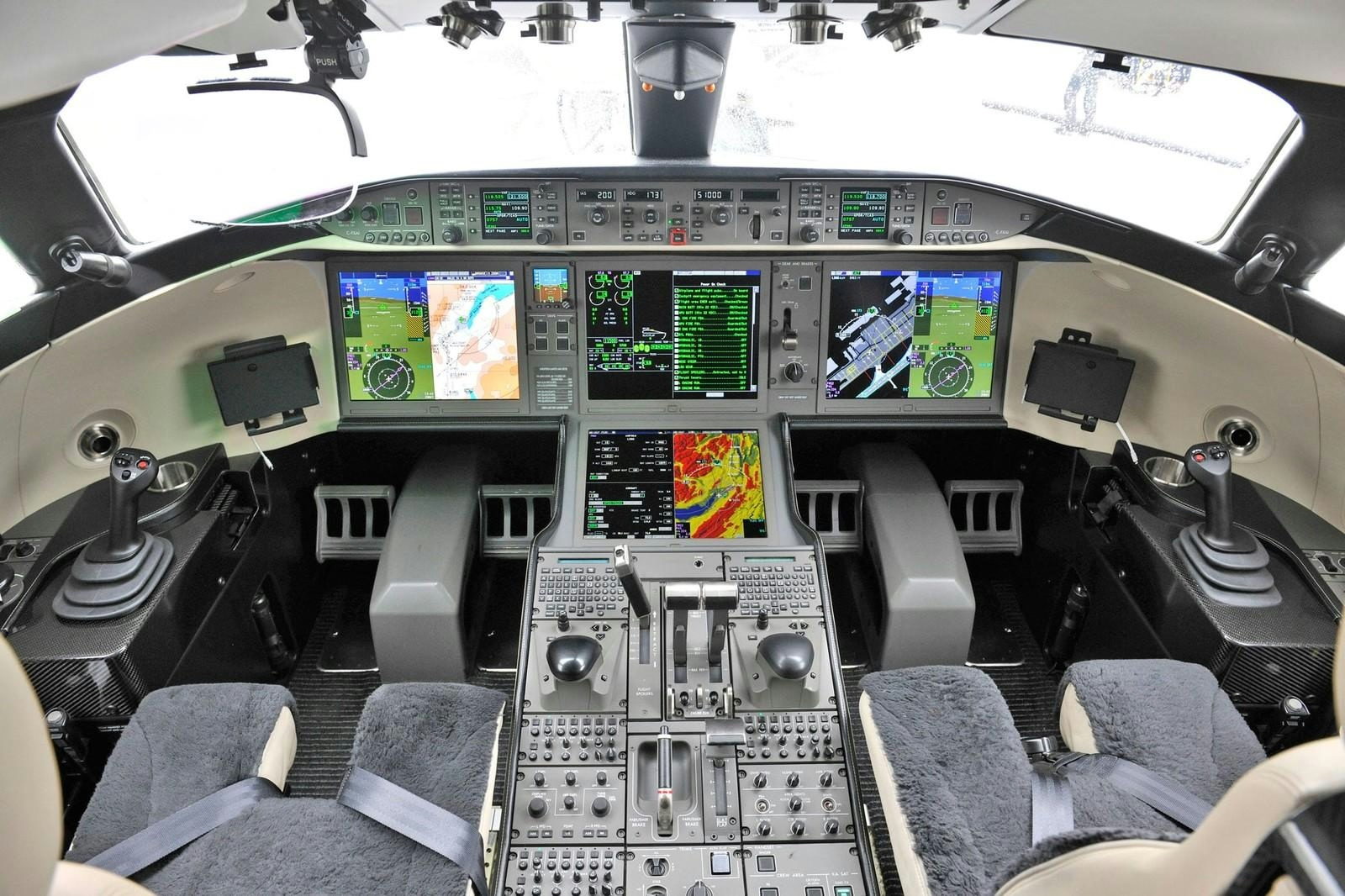
Honeywell Aerospace Chief Affirms Delay in AI Integration for Cockpits
Honeywell Aerospace’s CEO has confirmed that artificial intelligence (AI) will not be introduced into aircraft cockpits in the near term, reflecting a cautious stance on incorporating advanced technologies into aviation’s most critical operational environments. This announcement comes amid Honeywell’s ongoing transition into an independent company, with a strategic emphasis on enhancing operational efficiency and focusing investments on select product areas.
Safety and Regulatory Challenges in Cockpit AI Adoption
While AI continues to revolutionize numerous industries, Honeywell’s leadership highlighted the unique challenges associated with integrating such technology into cockpits, particularly concerning safety and regulatory compliance. The company’s decision underscores the aviation sector’s traditionally conservative approach to technological innovation, especially where passenger and crew safety is paramount.
Market responses to Honeywell’s position have been varied. Some industry stakeholders commend the decision as a prudent prioritization of safety, aligning with established regulatory frameworks and risk management practices. Conversely, others perceive it as a missed opportunity to leverage AI for operational improvements and innovation within cockpit systems.
Industry Implications and Future Prospects
Competitors in the aerospace sector may adopt contrasting strategies, with some accelerating AI integration efforts to secure a technological advantage. This divergence could significantly influence the competitive dynamics as companies balance the potential benefits of AI against the inherent risks of deploying it in mission-critical aviation systems.
Despite the cautious approach to cockpit AI, Honeywell reaffirmed its commitment to applying AI and other advanced technologies in other facets of its operations. The company is actively enhancing overall operational performance and product capabilities outside the cockpit environment. It continues to monitor technological advancements and evolving regulatory guidance, leaving open the possibility of future AI adoption in cockpits once safety and compliance concerns are adequately addressed.
Honeywell’s measured strategy highlights the complexities involved in harmonizing innovation with stringent safety and regulatory demands. Industry observers and investors alike will be closely monitoring how this approach affects Honeywell’s competitive positioning and how rival firms respond in the ongoing effort to modernize aviation technology.

Etihad and Swissport Extend Global Partnership
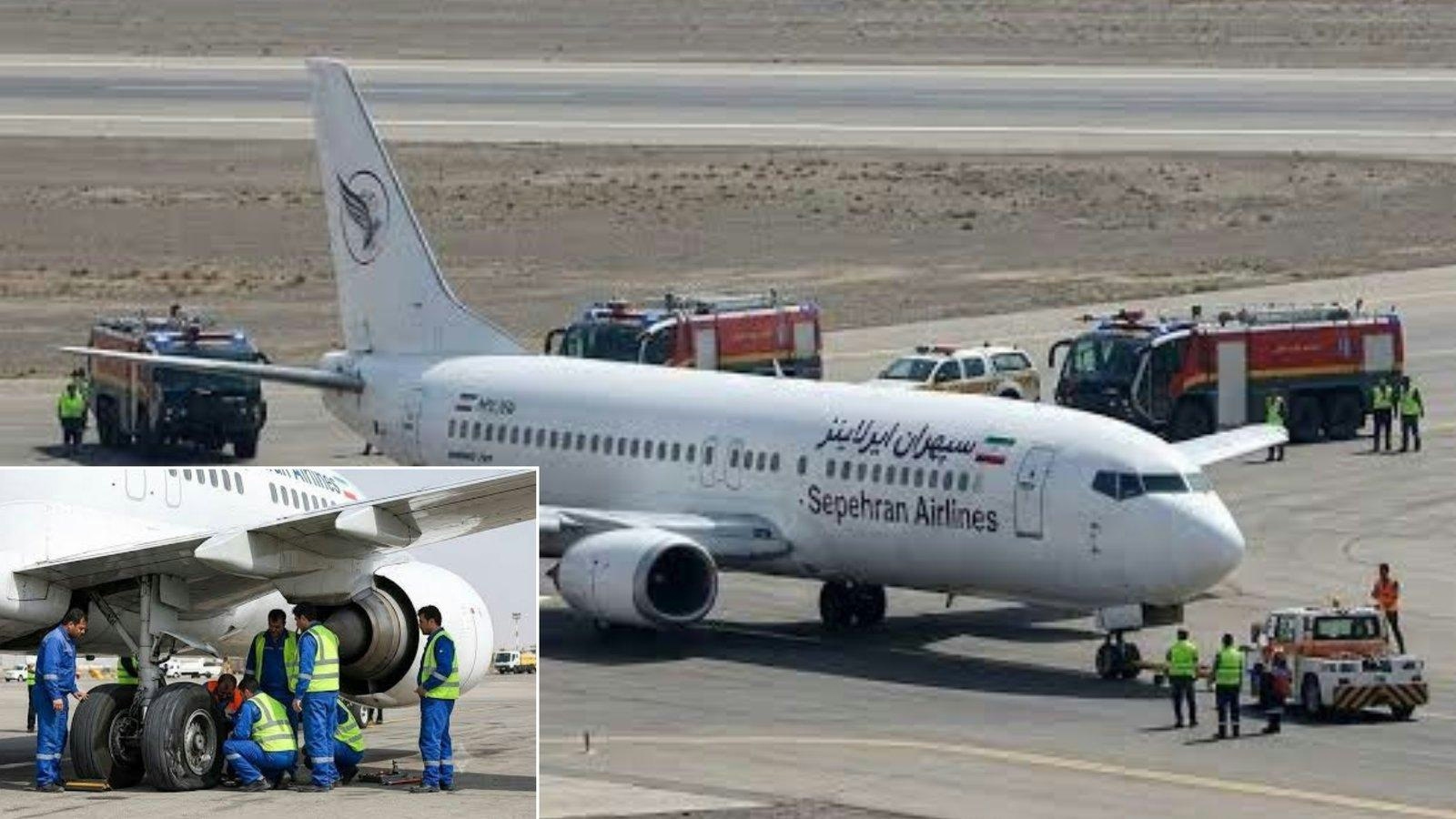
Sepehran Airlines B737 Returns to Mashhad After Tyre and Engine Issues

Etihad Deploys Widebody Fleet to Meet Strong Demand
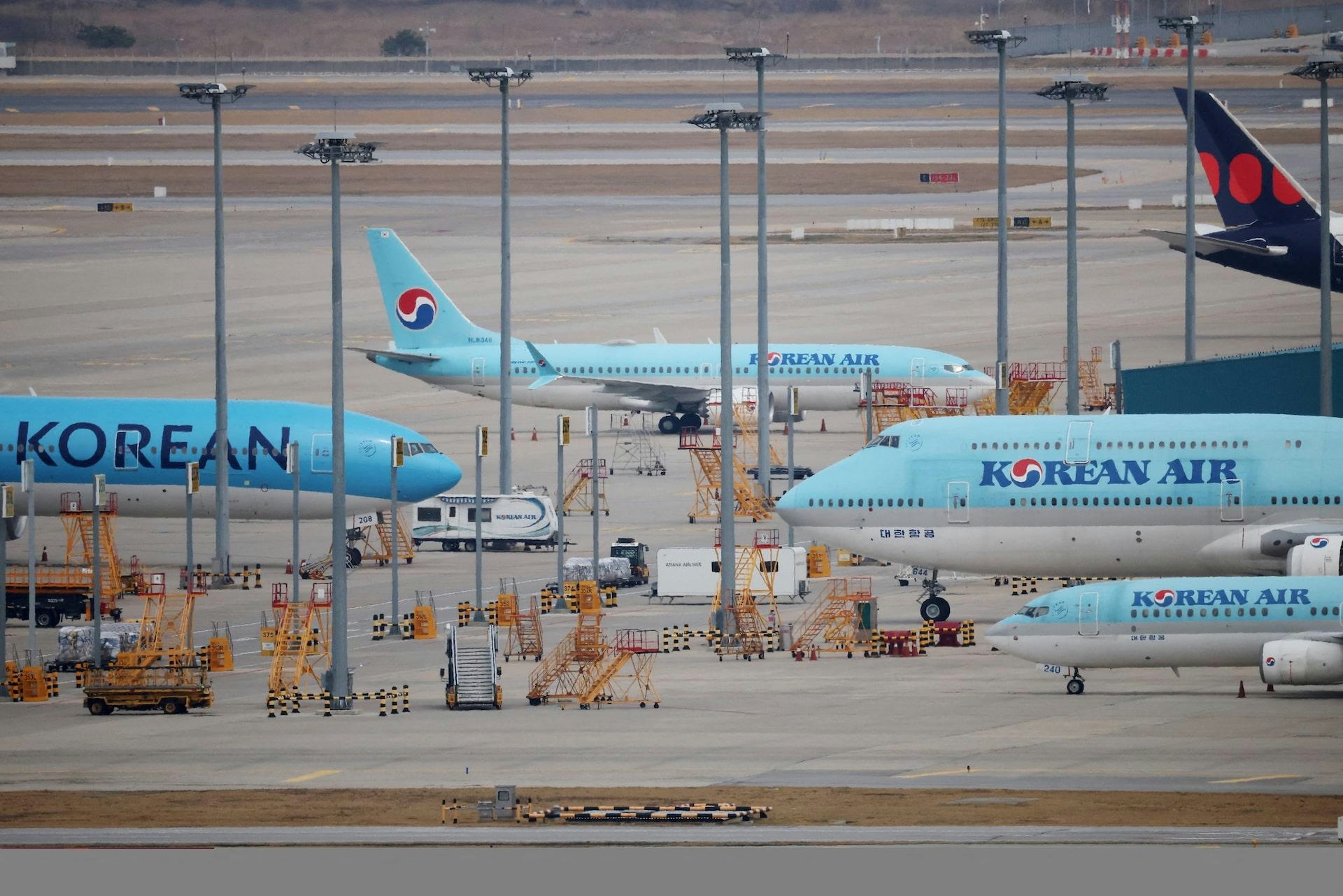
Korean Air Finalizes $36.2 Billion Deal with Boeing
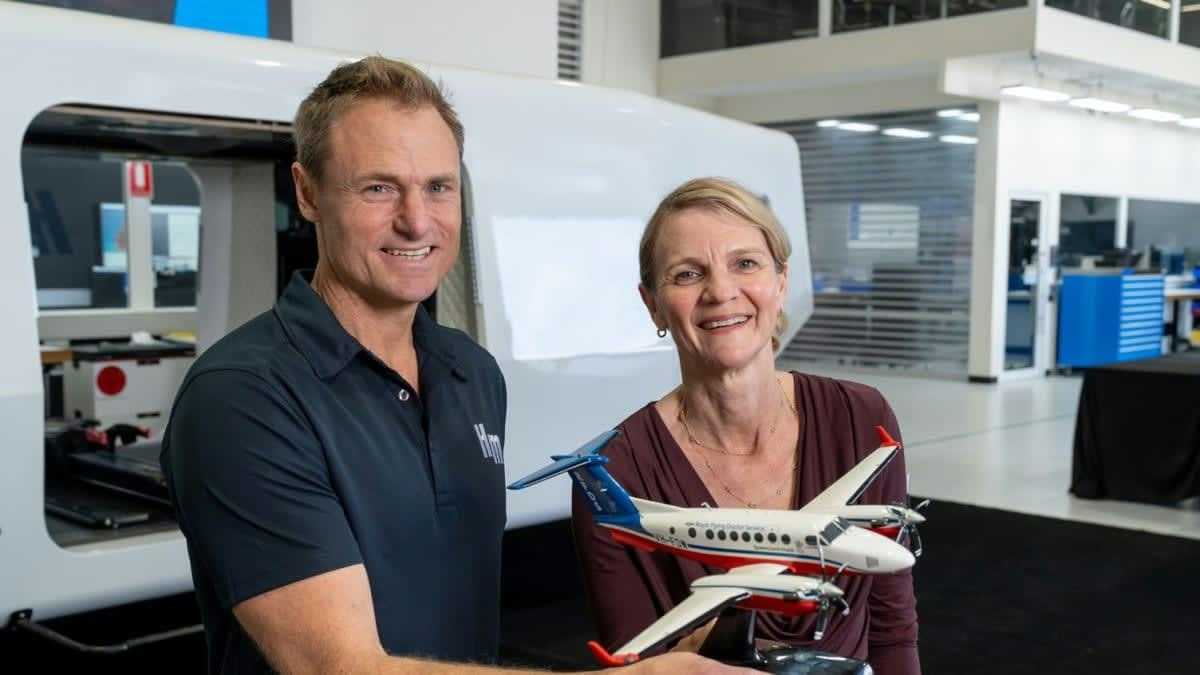
Australia’s RFDS Queensland Section Orders Six King Air 260Cs
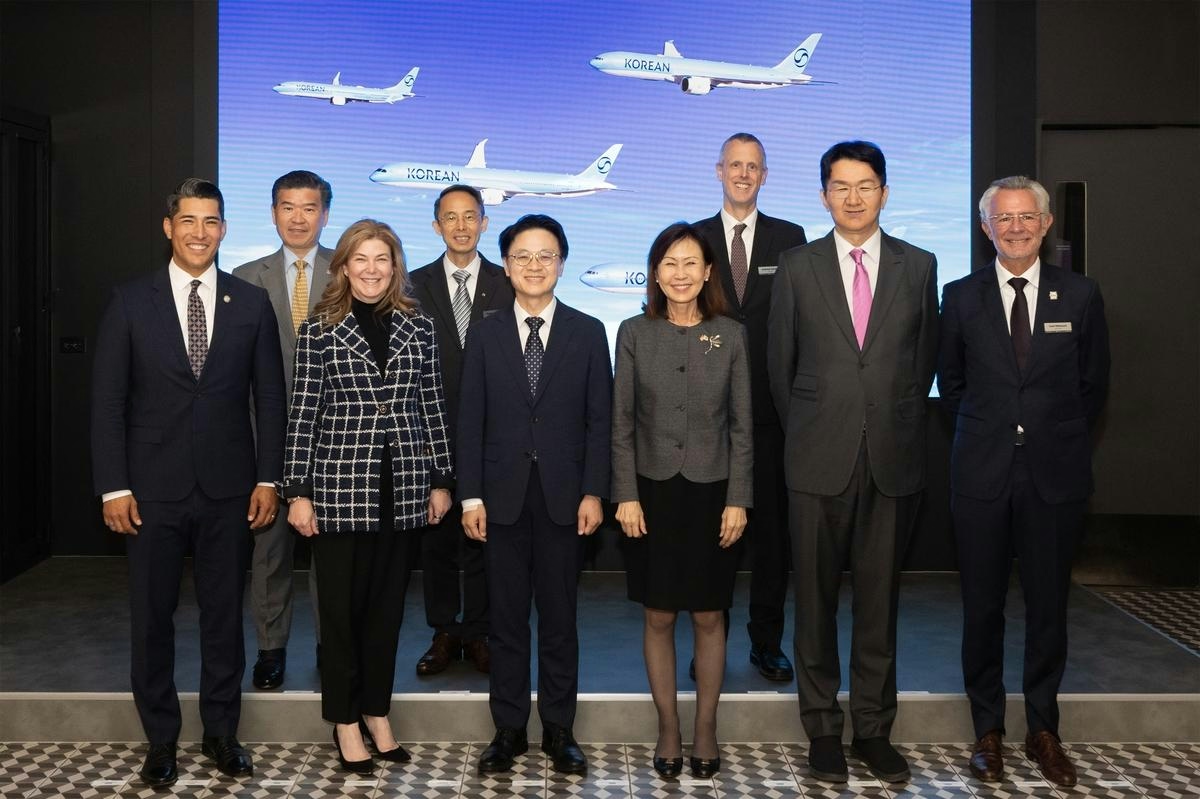
Korean Air Finalizes Order for 103 Boeing Jets and Engines
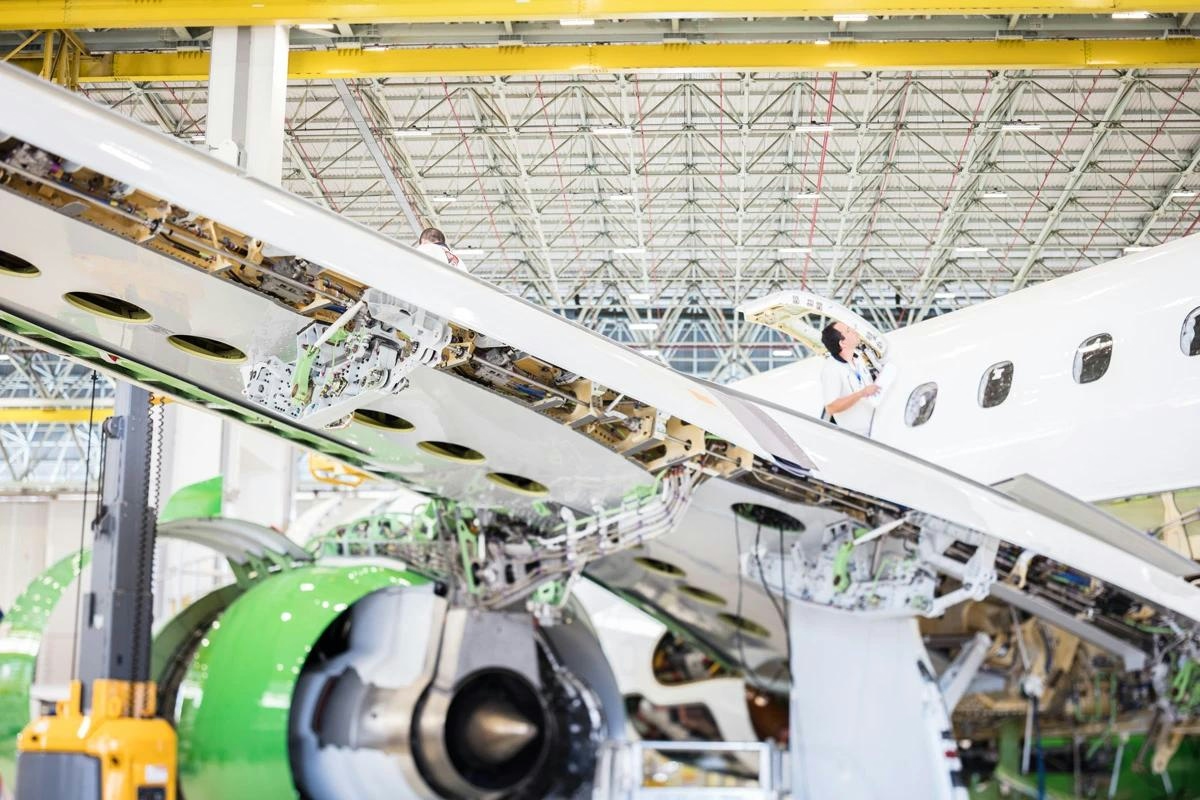
Embraer E195-E2 Features Distinctive Engine Placement Among Regional Jets
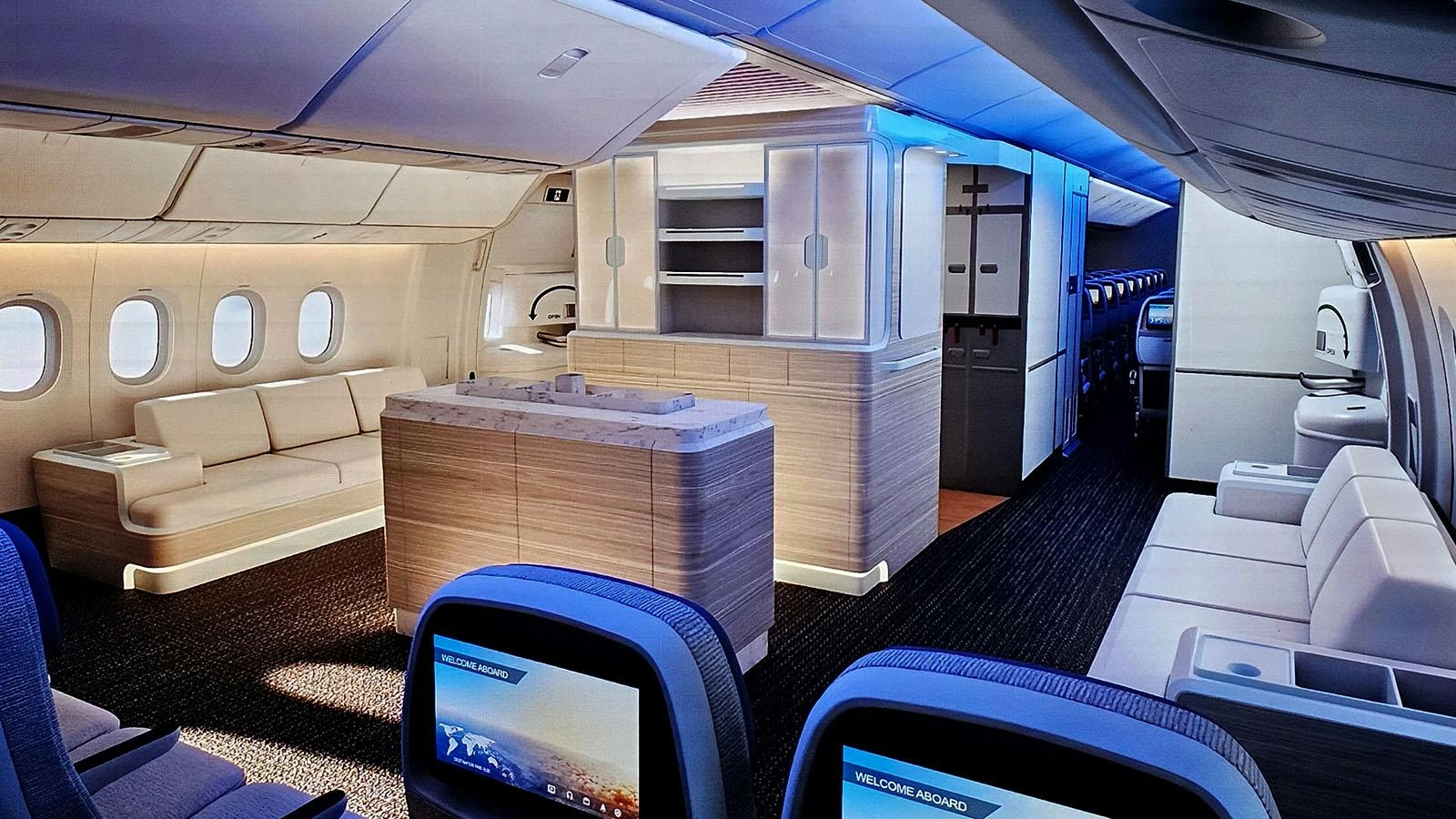
What Passengers Can Expect on Boeing’s New 777X Jet

How Ethiopian Airlines Became Africa’s Leading Carrier Amid Gulf Competition
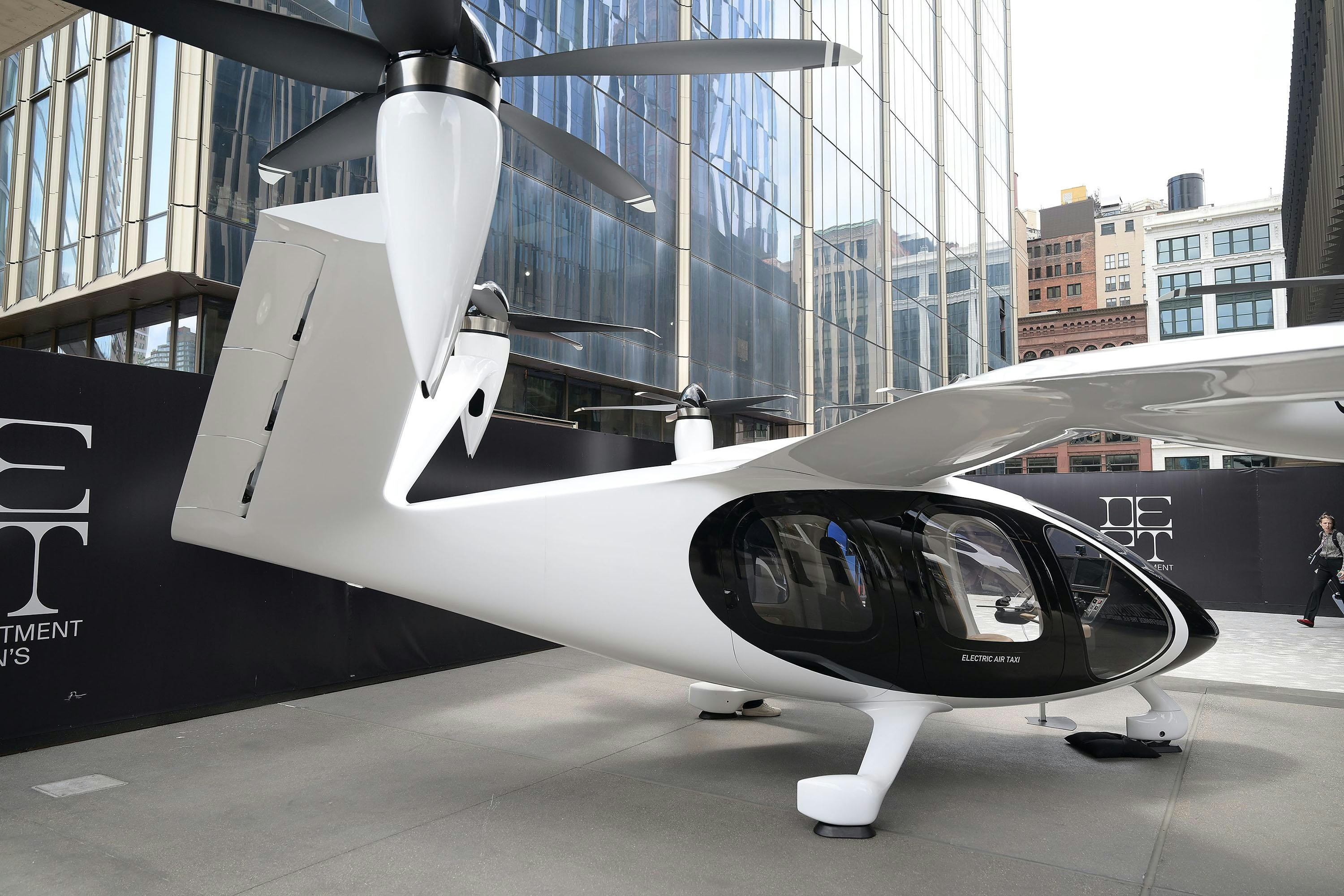
Joby Aviation Extends Autonomous Flight Capabilities with Cross-Country Tour
