
حوّل رؤى الذكاء الاصطناعي إلى أفعال منسّقة

الرائج الآن
Categories
ICBC Moves to Deregister Four 737 MAX Jets Leased to SpiceJet
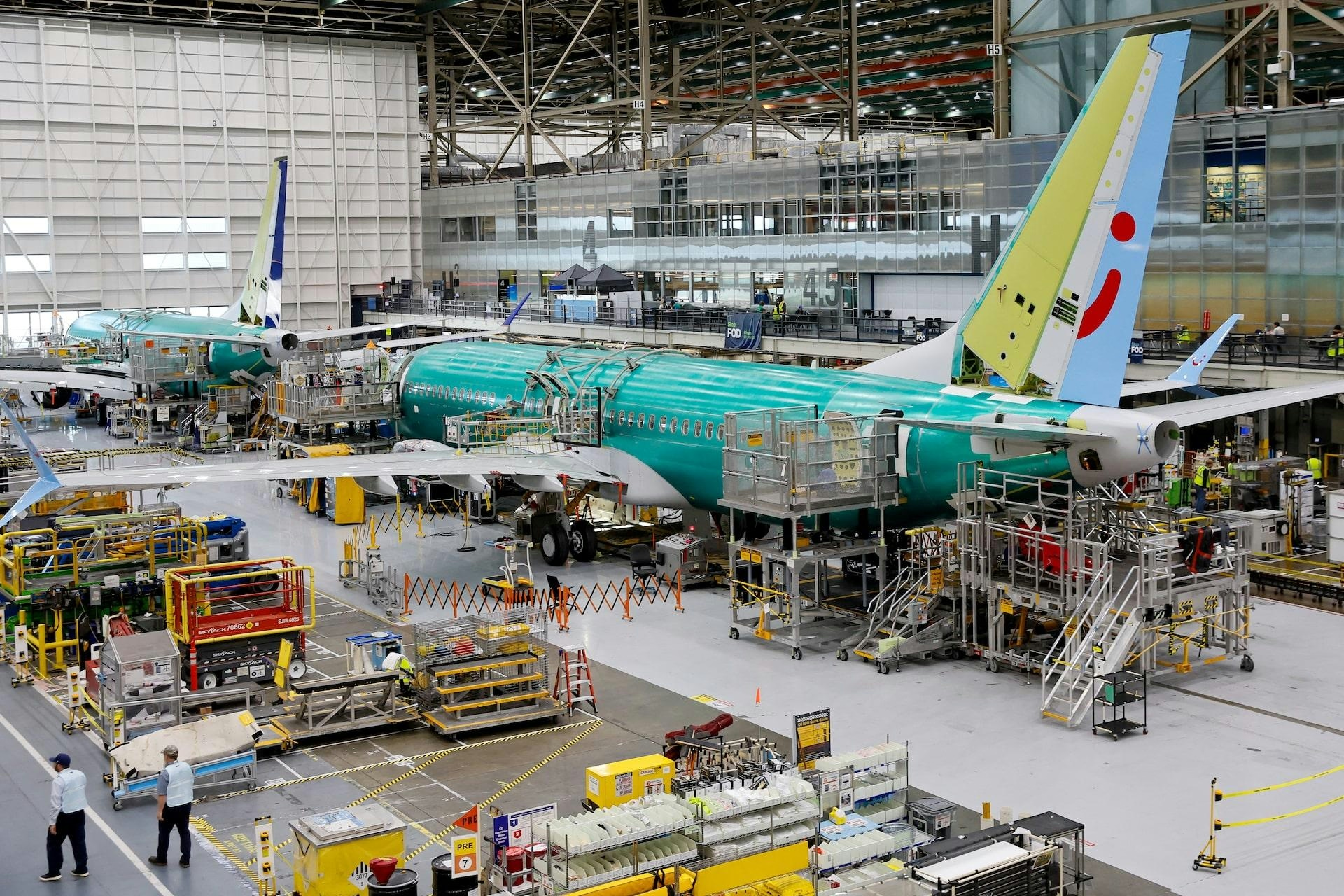
ICBC Moves to Deregister Four 737 MAX Jets Leased to SpiceJet
Leasing Firms Seek Deregistration Amid Financial Struggles
Two Irish leasing companies affiliated with the Industrial and Commercial Bank of China’s (ICBC) leasing division have formally requested India’s aviation regulator to deregister four Boeing 737 MAX aircraft currently leased to SpiceJet. This development, revealed through filings with the Directorate General of Civil Aviation (DGCA), signals a critical step toward repossessing the jets amid the Indian carrier’s ongoing financial difficulties.
The applications were submitted by Sky High LXXX Leasing Company Ltd and Sky High LXXVIII Leasing Company Ltd, both owned by ICBC Financial Leasing, a subsidiary of the state-owned ICBC, which is the world’s largest bank by assets. Although the filings did not specify the reasons behind the deregistration requests, the move tests the efficacy of India’s recently enacted aviation legislation designed to facilitate lessors in reclaiming aircraft from financially distressed airlines. The outcome of this case may set a precedent for future repossessions under the new regulatory framework.
SpiceJet’s Financial Woes and Operational Impact
SpiceJet, India’s fourth-largest airline, has been contending with severe liquidity challenges. The carrier has scaled back its flight operations, grounded multiple aircraft, delayed pilot salaries, and sought financial relief through a government-backed credit scheme. According to sources familiar with the matter, SpiceJet has already received 1.5 billion rupees (approximately $15.6 million) from this scheme and anticipates an additional 3.5 billion rupees in the near term. The airline has not publicly commented on these funding arrangements.
This year, at least two lessors have issued payment default notices to SpiceJet, underscoring the airline’s persistent cash flow problems. In response to the deregistration requests, a SpiceJet spokesperson explained that the four Boeing 737 MAX jets have been grounded for an extended period due to manufacturing defects affecting the engines’ high-pressure turbines. The spokesperson emphasized that deregistering these aircraft would relieve the airline of lease rental obligations on assets that have remained non-operational for a significant duration and would not impact current flight operations.
Despite these assurances, industry analysts caution that the loss of leased aircraft could further strain SpiceJet’s operational capacity. Currently, only 11 of the airline’s 53 aircraft are active, according to aviation data provider Planespotters.net. The potential reduction in fleet size may compel SpiceJet to seek alternative aircraft sources, while competitors could capitalize on the opportunity to increase their market share should the airline’s difficulties persist.
Market Response and Broader Implications
Investor sentiment has reflected growing concerns over SpiceJet’s financial health. Since the beginning of the year, SpiceJet’s shares have plummeted nearly 63%, in stark contrast to a modest 1% gain for InterGlobe Aviation, the parent company of IndiGo, India’s largest airline. The deregistration requests by ICBC’s leasing entities highlight the mounting pressures on SpiceJet and underscore the challenges faced by lessors in recovering assets amid the evolving regulatory landscape in India’s aviation sector.
($1 = 96.1475 Indian rupees)

Etihad and Swissport Extend Global Partnership

Sepehran Airlines B737 Returns to Mashhad After Tyre and Engine Issues

Etihad Deploys Widebody Fleet to Meet Strong Demand

Korean Air Finalizes $36.2 Billion Deal with Boeing

Australia’s RFDS Queensland Section Orders Six King Air 260Cs

Korean Air Finalizes Order for 103 Boeing Jets and Engines

Embraer E195-E2 Features Distinctive Engine Placement Among Regional Jets

What Passengers Can Expect on Boeing’s New 777X Jet

How Ethiopian Airlines Became Africa’s Leading Carrier Amid Gulf Competition

Joby Aviation Extends Autonomous Flight Capabilities with Cross-Country Tour
