
حوّل رؤى الذكاء الاصطناعي إلى أفعال منسّقة

الرائج الآن
Categories
Key Trends Shaping Aviation in 2026
Key Trends Shaping Aviation in 2026
When major aircraft orders or delivery delays make headlines, they often pass unnoticed by the general public. However, these developments serve as early indicators for travellers, offering insights into which routes may be introduced, where additional seating capacity might become available, and whether future flights will feature modern amenities such as Wi-Fi and power outlets or retain older cabin configurations. For Australians, who rely heavily on aviation due to the continent’s vast distances, decisions regarding airline fleets have far-reaching implications for ticket prices, regional connectivity, service reliability, and environmental objectives. A clear understanding of these trends enables travellers to interpret aviation news with greater confidence.
The Importance of Fleet Decisions
An airline’s fleet functions as its operational foundation, with each aircraft type fulfilling distinct roles. Smaller turboprop planes typically serve regional destinations like Dubbo and Broken Hill, narrowbody jets manage high-frequency routes such as Sydney to Melbourne, and long-range widebody aircraft connect Australia to international hubs including London, Dallas, and the Middle East. The selection of aircraft influences seat availability, fuel efficiency, and nonstop flight range, all of which directly affect fare structures.
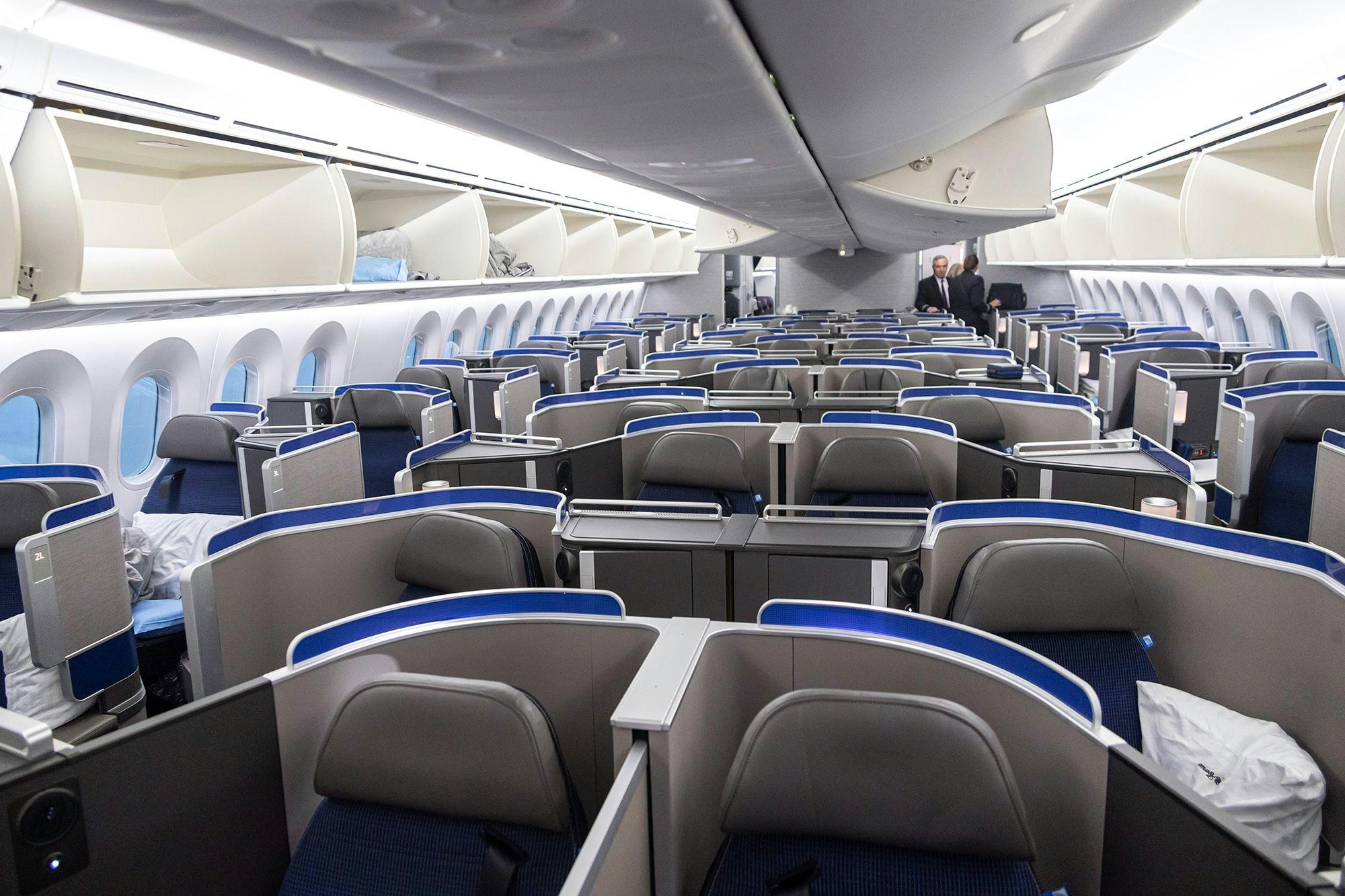
Newer aircraft models generally offer improved fuel economy on a per-seat basis, which can help airlines reduce operating costs and potentially lower fares or mitigate increases when fuel prices rise. Beyond economics, fleet composition also impacts passenger comfort and operational reliability. Modern cabins tend to provide enhanced seating, in-flight entertainment systems, power outlets, and internet connectivity. Conversely, older aircraft, while maintaining safety standards, often require more frequent maintenance, increasing the likelihood of delays and schedule disruptions. Announcements of fleet renewals thus signal forthcoming changes in route networks, cabin quality, and overall service levels.
Forces Influencing Airline Fleets in 2026
Several global and regional factors are shaping airline fleet strategies as the industry moves through 2026.
Airbus and Boeing continue to grapple with substantial order backlogs, compounded by supply-chain disruptions, parts shortages, and quality-control challenges. These issues have led to delivery delays, forcing some airlines to extend the operational life of older, less efficient aircraft. This approach raises fuel consumption, postpones cabin upgrades, and complicates efforts to meet emissions reduction targets. In response, certain carriers are turning to leasing arrangements or deferring aircraft retirements, which may result in older cabin environments and reduced operational flexibility.
Regulatory certification processes also play a critical role. Before new aircraft can enter commercial service, they must receive approval from authorities such as the Federal Aviation Administration (FAA), the European Union Aviation Safety Agency (EASA), or the Civil Aviation Safety Authority (CASA) in Australia. Delays in certification can hinder the deployment of advanced, more efficient aircraft models, thereby affecting airline expansion plans and passenger experience.
Geopolitical tensions and economic pressures continue to influence airline operations. Conflicts in regions like Iran, coupled with rising fuel costs, are exerting downward pressure on airline profitability and shaping strategic decisions related to route planning, fleet investments, and fare policies.
Technological innovation remains a key driver of change. Research institutions such as Germany’s DLR are exploring vibrational anti-icing systems, while developers are advancing concepts like all-electric, ducted-fan gyrocopters. The growing demand for graphite, a critical component in electric aircraft batteries, is also impacting mining and supply chains, reflecting the broader push toward electrification and sustainability in aviation.
Environmental considerations are increasingly prominent. The European Union’s courts are poised to issue rulings on the environmental classification of business aviation, while companies like Desert Jet are collaborating with sustainability firms such as 4Air to promote greener practices. These initiatives underscore the industry’s commitment to meeting climate targets and responding to heightened regulatory and public scrutiny.
Market dynamics and strategic investments further influence fleet decisions. Singapore Airlines’ continued support for Air India, despite operational challenges, exemplifies long-term strategic positioning. Competitors are similarly adapting their fleet and technology strategies to maintain competitiveness in a rapidly evolving market.
Implications for Travellers
For passengers, these intersecting trends will shape numerous aspects of air travel, from ticket pricing and route availability to cabin comfort and environmental impact. As airlines contend with supply constraints, regulatory complexities, and sustainability imperatives, the fleet choices made today will significantly influence the quality and nature of the flying experience in the years ahead.

Etihad Airways Suspends Airbus A380 Flights on Key Route

Aditya Birla Group Seeks Approval for Aircraft Leasing in GIFT City

Qatar Airways Highlights Innovation and Connectivity at Arabian Travel Market 2026

Hong Kong's Five-Year Plan Includes Andrew Fan's Aircraft Parts Processing Hub Proposal

ACIA Aero Leasing Delivers ATR72-600 to Air Nostrum

RTX Appoints Jill Albertelli as Head of Pratt & Whitney

TAT Technologies Joins Beyond Aero Hydrogen Aircraft Program

AURAK Study Highlights Barriers to Air Taxi Adoption in Emerging Economies

Xiamen Air Selects Altitude for 787 Maintenance at Heathrow

Etihad and Swissport Extend Global Partnership
