
حوّل رؤى الذكاء الاصطناعي إلى أفعال منسّقة

الرائج الآن
Categories
Qatar Airways Replaces Airbus A380 on Sydney-Doha Route with Smaller Jets
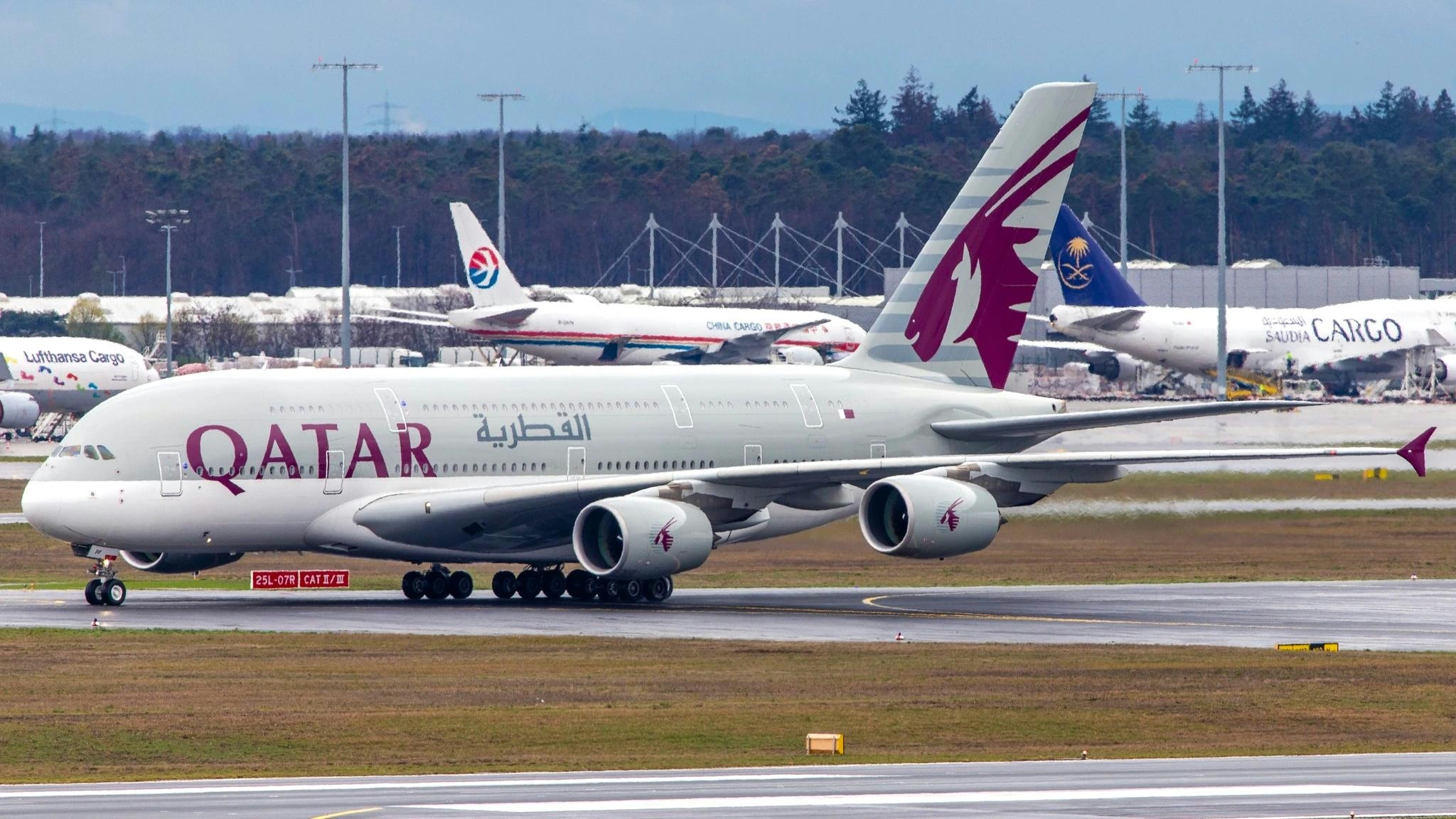
Qatar Airways Replaces Airbus A380 on Sydney–Doha Route with Smaller Jets
Qatar Airways has officially retired its Airbus A380 aircraft from the Sydney–Doha route, opting instead for more fuel-efficient twin-engine jets, primarily the Boeing 777-300ER. This transition marks a significant adjustment in the airline’s long-haul operations between Australia and the Middle East, reflecting a strategic shift in fleet management aimed at meeting evolving industry demands and enhancing operational efficiency.
The replacement of the A380, once a flagship aircraft on this corridor, aligns with a broader industry trend where airlines are moving away from large, four-engine superjumbos in favor of modern, more economical aircraft. While the Boeing 777-300ER offers reduced passenger capacity per flight compared to the A380, it provides greater flexibility and improved fuel economy, ensuring continued reliable service on this important international route. Notably, the 777-300ER does not include a dedicated First Class cabin, indicating a recalibration of premium service offerings on select long-haul flights.
Industry Trends and Market Dynamics
Qatar Airways’ decision is part of a wider realignment within the global aviation sector, driven by regulatory pressures to reduce emissions and improve efficiency, as well as ongoing supply chain challenges. Airlines worldwide are increasingly favoring aircraft such as the Boeing 787, Boeing 777, and Airbus A350, which offer enhanced fuel efficiency and operational adaptability. However, supply chain disruptions, particularly delays in Airbus deliveries, continue to affect fleet renewal plans for several carriers. For instance, Qantas is currently evaluating orders for up to 20 new wide-body aircraft from Boeing or Airbus to support its long-haul growth ambitions, but delivery uncertainties pose potential obstacles.
Competitive pressures in the region are also intensifying. Following its recent withdrawal from Doha, American Airlines is preparing to enter new long-haul markets, while Qantas is actively pursuing fleet expansion to sustain its competitive position. These developments underscore a broader reshaping of long-haul strategies among major airlines serving routes between Australia and the Middle East.
Strategic Implications for the Australian Market
Australia’s geographic remoteness makes it a critical market for long-haul aviation, with the Sydney–Doha route serving as a key gateway connecting the country to Europe, the Middle East, and Africa through Qatar Airways’ Doha hub. The removal of the A380 from this route signals a strategic shift toward prioritizing aircraft that enable higher flight frequencies and greater operational flexibility rather than maximizing per-flight seating capacity.
This approach allows airlines to better respond to fluctuating passenger demand while maintaining route viability and adhering to global efficiency standards. As Qatar Airways and other carriers adjust to these changing market conditions, passengers can expect sustained connectivity on major international routes, albeit with evolving aircraft types and onboard service configurations.

Etihad and Swissport Extend Global Partnership

Sepehran Airlines B737 Returns to Mashhad After Tyre and Engine Issues

Etihad Deploys Widebody Fleet to Meet Strong Demand

Korean Air Finalizes $36.2 Billion Deal with Boeing

Australia’s RFDS Queensland Section Orders Six King Air 260Cs

Korean Air Finalizes Order for 103 Boeing Jets and Engines

Embraer E195-E2 Features Distinctive Engine Placement Among Regional Jets

What Passengers Can Expect on Boeing’s New 777X Jet
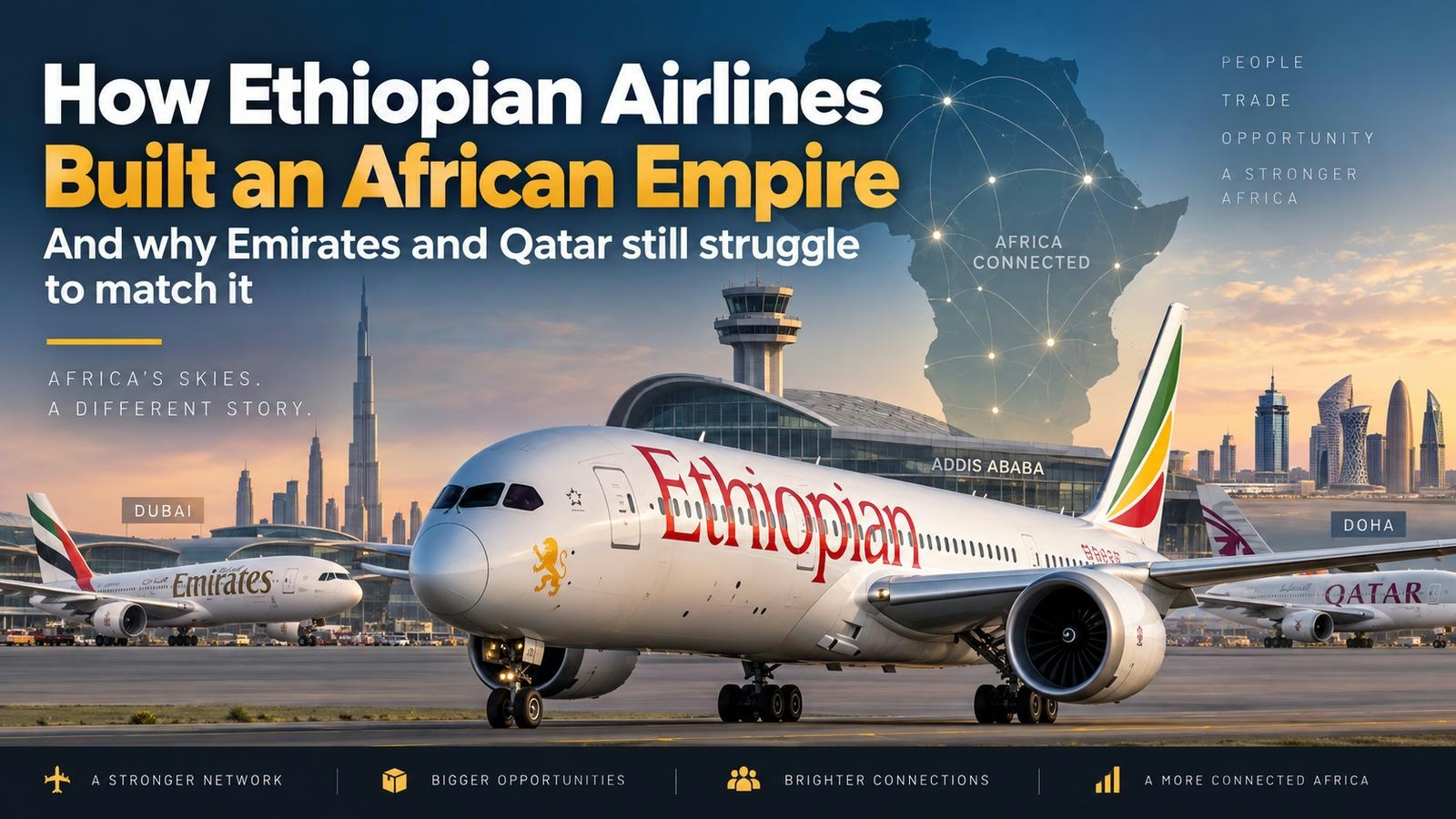
How Ethiopian Airlines Became Africa’s Leading Carrier Amid Gulf Competition

Joby Aviation Extends Autonomous Flight Capabilities with Cross-Country Tour
