صورة

حوّل رؤى الذكاء الاصطناعي إلى أفعال منسّقة

انضم إلى قائمة الانتظار لـ AeroGenie اليوم!

الرائج الآن

Categories

Rotax Aviation Industry Forum Scheduled for October in New Delhi
September 10, 2026By ePlane AI
Rotax Aviation Industry Forum Scheduled for October in New Delhi
0
0
Rotax
Pilot Training India
General Aviation Forum

Rotax Aviation Industry Forum Scheduled for October in New Delhi

Expanding Pilot Training Sector Drives Industry Engagement

On October 6, 2026, Rotax, a leading aircraft engine manufacturer, will host the ROTAX Aviation Industry Forum India 2026 at The Roseate House Aerocity in New Delhi. The event is set to bring together a diverse range of stakeholders from the general aviation sector, aiming to strengthen connections between India’s rapidly expanding pilot training industry and international suppliers catering to the small-aircraft market.

India’s Ministry of Civil Aviation has reported significant growth in pilot training infrastructure, with 41 Flying Training Organisations (FTOs) operating across 63 bases as of July 2026. In August, 11 additional FTOs received Letters of Intent to commence operations at seven Airports Authority of India locations, potentially increasing the country’s annual domestic pilot training capacity by 750 cadets. This expansion supports the Ministry’s projection that India will require between 30,000 and 40,000 new pilots over the next decade, following a 19% year-on-year rise in Commercial Pilot Licences issued in 2025.

Forum Focus and Industry Participation

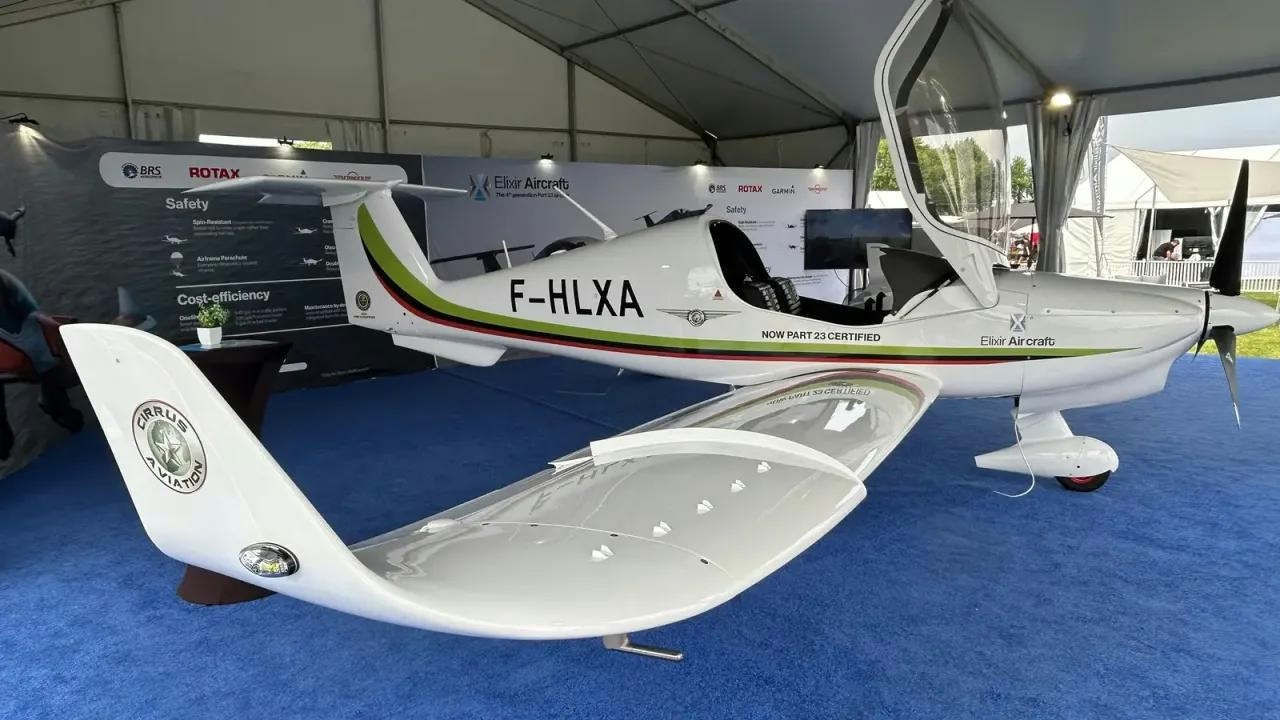
The forum, commencing at 14:30, is designed to address the needs of FTOs, aircraft manufacturers, maintenance, repair and overhaul (MRO) providers, aircraft owners, and other aviation industry participants. Alongside Rotax, companies such as CFS Aeroproducts and Flemonte Aviation will participate, emphasizing the small-aircraft and flight training ecosystem. Prominent global aviation partners including Tecnam, Pipistrel, Elixir Aircraft, Sling Aircraft, CSIR-NAL, and AutoGyro are also expected to attend. The agenda will facilitate in-depth discussions on aircraft acquisition, propulsion systems, maintenance, and operational support, providing Indian flight schools and operators with direct access to manufacturers and suppliers.

Navigating Opportunities and Challenges in India’s Aviation Landscape

The timing of the forum coincides with a dynamic period in India’s aviation sector, marked by both opportunities and challenges. The ongoing development of Delhi Noida International Airport may pose logistical and connectivity challenges for attendees and exhibitors. Furthermore, the broader market environment is influenced by regulatory debates concerning airfares and airline competition, reflecting trends seen in other markets such as Australia. Recent industry developments, including AirAsia X’s withdrawal from long-haul routes to India, may further impact market dynamics and competitive strategies.

Emerging segments such as seaplane operations, gaining momentum in India and the Philippines, are attracting increasing attention. This growth presents new opportunities and competitive pressures for operators and manufacturers within the general aviation and advanced air mobility sectors. The forum’s invitation extends to advanced air mobility companies, gyrocopter and recreational aviation operators, regulators, government officials, and other key stakeholders, underscoring the evolving nature of the industry.

As India’s pilot training capacity continues to expand and the aviation sector adapts to shifting market forces, the ROTAX Aviation Industry Forum India 2026 is positioned as a critical platform for dialogue, collaboration, and strategic planning among domestic and international aviation leaders.
More news
Texas and Joby Launch FAA-Supported Air Taxi Demonstrations
Texas and Joby Launch FAA-Supported Air Taxi Demonstrations

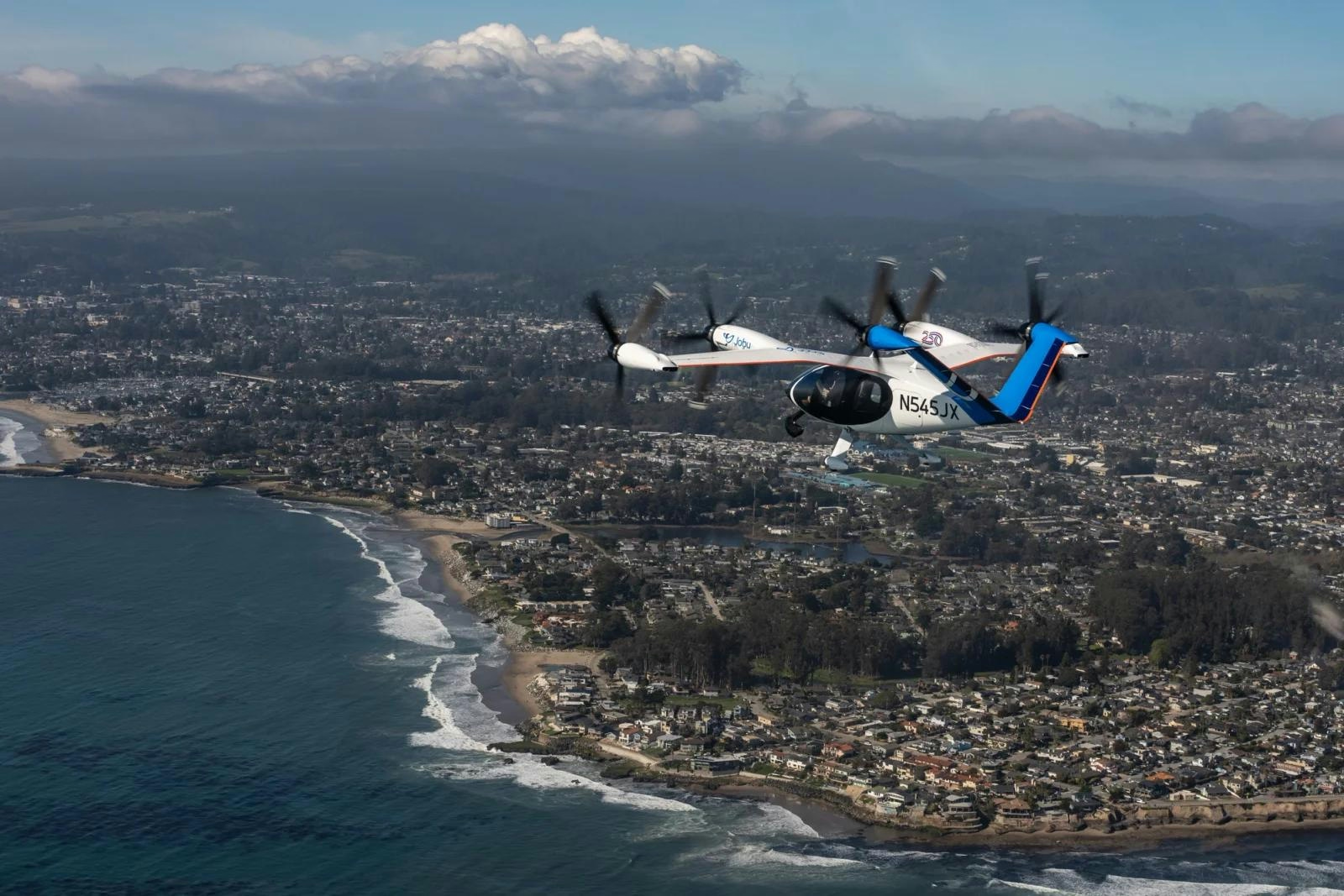
Texas and Joby Launch FAA-Supported Air Taxi Demonstrations Integration of Electric Air Taxis into Controlled Airspace Precertified electric air taxis have commenced a weeklong demonstration campaign in Texas, operating alongside conventional air traffic under a Federal Aviation Administration (FAA) contract. Joby Aviation, a prominent developer of electric vertical takeoff and landing (eVTOL) aircraft, announced that its preproduction prototype is conducting flights to demonstrate its capability to integrate safely into busy airspace, including the highly controlled environment of Dallas/Fort Worth International Airport (DFW). Although Joby’s air taxi has not yet received certification to carry passengers, the company is using this campaign to showcase real-world routes across North Texas, connecting major urban centers as it advances toward FAA certification expected in the coming months. The initiative began with a flight at Perot Field Fort Worth Alliance Airport and has included joint demonstrations with other manufacturers. These activities are scheduled to continue through Monday, subject to weather and operational conditions. Partnership and Regulatory Framework This campaign represents a significant milestone for Joby, conducted in collaboration with the Texas Department of Transportation (TxDOT) and forming part of the FAA’s eVTOL Integration Pilot Program (eIPP). The eIPP is a three-year initiative spanning 26 states, designed to assist the FAA in identifying regulatory gaps, refining operational procedures, and supporting the safe integration of eVTOL aircraft into the National Airspace System. FAA Administrator Bryan Bedford emphasized the importance of these efforts, stating that the agency is leveraging data from test flights in Texas and across the country to ensure the safe incorporation of these new aircraft into the national airspace. Joby’s prototype, adorned with Texas’ Lone Star Flag, operates under a signed other transaction agreement (OTA) with the FAA. This agreement outlines the planned activities and data reporting requirements essential for regulatory oversight. The eIPP program anticipates a phased progression from flights with only a pilot on board to those carrying non-paying passengers, and eventually, paying customers, contingent upon rigorous FAA evaluation. Challenges and Industry Context Despite these advancements, Joby faces considerable challenges on the path to commercial air taxi service. Regulatory hurdles remain substantial as the FAA adapts existing frameworks to accommodate this emerging class of aircraft. The competitive landscape is intensifying, with companies such as Archer Aviation recently acquiring Boeing’s automated air taxi initiative, signaling a broader industry momentum toward commercialization. Joby’s strategic approach encompasses both commercial and military markets. The company’s acquisition of a defense contractor, alongside partnerships with entities like Blade’s aviation network and Toyota-backed manufacturing, reflects a multifaceted effort to address financial and strategic challenges. While increased defense spending may open new avenues, it also diverts some focus from immediate commercial deployment. As Joby and its competitors continue to navigate technological integration and regulatory approval, the Texas demonstrations stand as a critical milestone in the development of urban air mobility. The results of these trials will play a pivotal role in shaping the future of air taxi services both within Texas and across the United States.
Flair Airlines Signs 15-Year Engine Maintenance Deal with Lufthansa in Calgary
Flair Airlines Signs 15-Year Engine Maintenance Deal with Lufthansa in Calgary

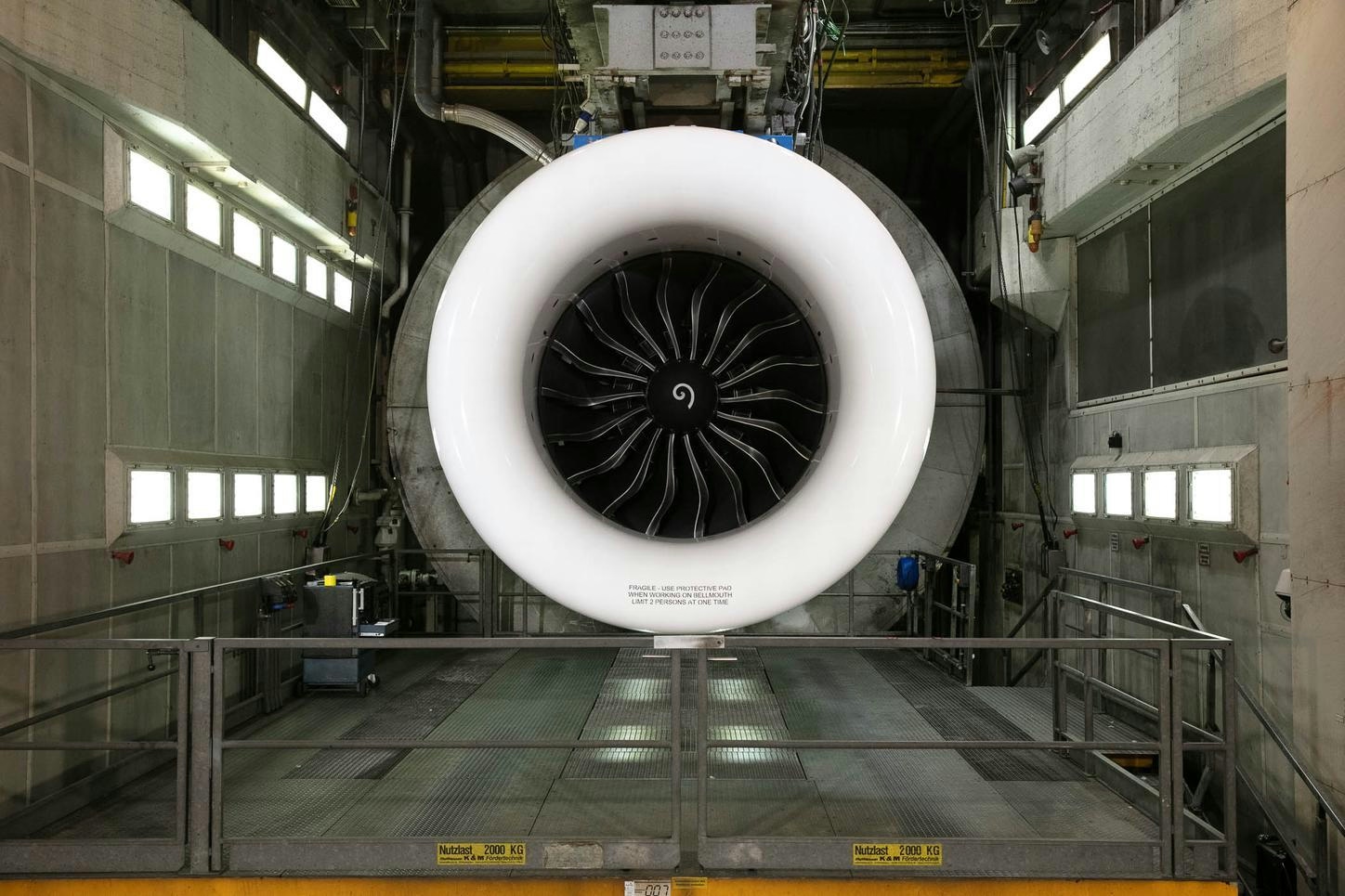
Flair Airlines Secures 15-Year Engine Maintenance Partnership with Lufthansa Technik in Calgary Edmonton-based Flair Airlines has entered into a 15-year agreement with Lufthansa Technik to provide maintenance services for its aircraft engines at the Calgary facility. This strategic partnership marks a significant shift, bringing engine maintenance jobs back to Canada from the United States and other international locations. Under the deal, Lufthansa Technik, a subsidiary of Germany’s Lufthansa Group, will service Flair’s fleet of 18 Boeing 737 aircraft powered by CFM International Leap engines. Enhancing Canadian Aerospace Capabilities Currently, much of Flair’s engine maintenance is conducted outside Canada, including at Lufthansa Technik’s facility in Tulsa, Oklahoma. While Flair has not disclosed all existing maintenance locations, spokeswoman Kim Bowie emphasized that the new agreement supports the retention and growth of skilled jobs within Canada. The partnership is expected to enhance maintenance capabilities domestically, allowing more work to be performed closer to Flair’s operational base. Lufthansa Technik’s Calgary facility, which opened in 2025 and currently employs 80 people, is undergoing a substantial $120-million expansion. The upgraded 14,000-square-metre site will feature Canada’s first test cell for advanced jet engines and is projected to increase its workforce to approximately 160 employees by 2030. This expansion, partially funded by an $18 million contribution from federal, Alberta, and Calgary governments, will also accommodate other clients, including WestJet Airlines. Market Context and Industry Implications The agreement arrives amid growing capacity constraints in the market for Leap engine maintenance. Industry analysts note that the anticipated entry of IAG Engine Tech into this sector in 2027 could alter competitive dynamics, as airlines worldwide face mounting pressure to manage maintenance costs while ensuring operational reliability. Recent engine-related disruptions at carriers such as Air New Zealand have intensified scrutiny on maintenance practices, prompting regional competitors to consider similar long-term contracts to secure cost-effective and dependable services. Georgios Ouzounidis, Lufthansa Technik’s vice-president of sales for the Americas, highlighted that Flair’s decision reflects confidence in the expanding capabilities of the Calgary facility. The maintenance package includes advanced analytics that integrate aircraft data, engineering insights, digital records, and asset management systems, which Flair anticipates will streamline maintenance planning and operational efficiency. In a joint statement, Flair Airlines and Lufthansa Technik underscored that the partnership “advances Lufthansa Technik’s commitment to build aviation capability in Canada while connecting that capability to a global aerospace network.” Financial details of the agreement were not disclosed. Alberta’s Minister of Jobs, Economy, Trade and Immigration, Joseph Schow, praised the deal as “a strong example of how investment in Canada’s aerospace sector is strengthening our supply chains, developing a skilled workforce and building the expertise and capacity our industry will need for years to come.” Technical Background on Leap Engines The Leap engines serviced under this agreement are manufactured by CFM International, a joint venture between GE Aerospace and Safran Aircraft Engines. These engines power both the Boeing 737 Max and Airbus A320 Neo families, making them a critical component in modern commercial aviation fleets.
Electric Air Taxis Approved for Flight Tests in Texas
Electric Air Taxis Approved for Flight Tests in Texas

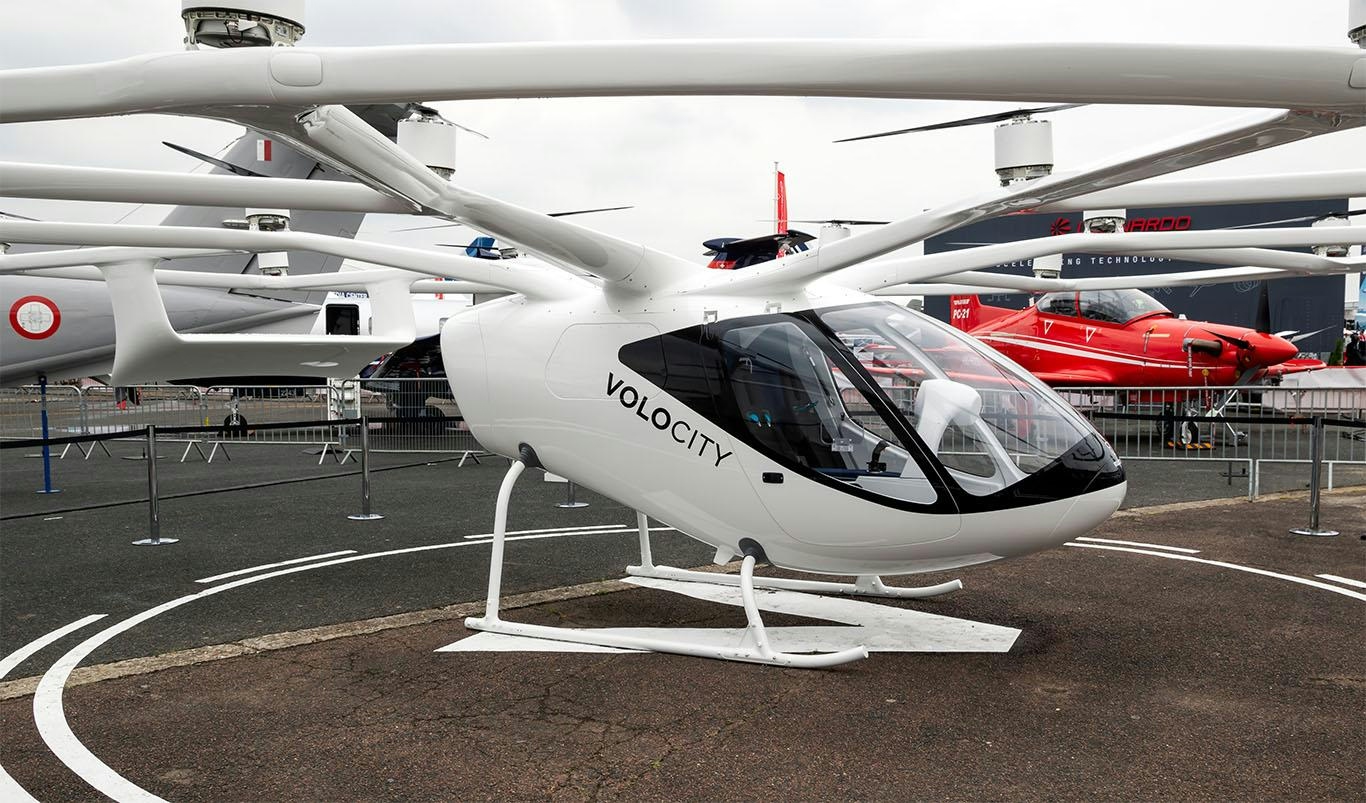
Electric Air Taxis Begin Flight Tests in Texas A significant milestone in urban aviation has been reached in Texas as federal regulators have authorized the first flight tests of electric air taxis. The Federal Aviation Administration’s (FAA) Advanced Air Mobility and Electric Vertical Takeoff and Landing (eVTOL) Integration Pilot Program (eIPP) has initiated its inaugural public demonstration flights this week in the Dallas-Fort Worth area. Leading eVTOL manufacturers, including Joby Aviation, Beta Technologies, and Wisk Aero, are participating in these tests, which represent a critical step toward integrating electric air taxis into the national airspace. Demonstration Flights and Collaborative Efforts Over the course of the coming week, these companies will conduct demonstration flights along prospective routes connecting urban centers and regional airports, such as Dallas Fort Worth International Airport. Although these initial flights will not carry passengers, they are designed to gather essential data on how Texas’s air traffic control systems handle the increased activity generated by these novel aircraft. This initiative is part of TxDOT’s Project Nexus, a collaborative effort involving federal, state, and local agencies aimed at exploring the integration of electric air taxis into U.S. airspace. Joby Aviation’s involvement highlights both the potential and the challenges facing the emerging sector. JoeBen Bevirt, Founder and CEO of Joby Aviation, expressed optimism about the opportunity, stating, “I’m incredibly excited by the potential for vertical lift in Texas, a state with the infrastructure, expertise, and partnerships to help lead the next era of American aviation.” The company’s week-long campaign in the Dallas-Fort Worth region seeks to demonstrate practical routes and connections to major urban hubs, emphasizing the prospects for reduced travel times and environmental benefits. Regulatory Framework and Industry Dynamics The eIPP program, established by the White House, aims to accelerate the commercialization of electric and autonomous aircraft even as regulatory frameworks remain under development. By permitting companies to collect operational data prior to full certification, the program intends to inform the creation of new regulations that will safely enable widespread adoption of this technology. Given that type certification—a mandatory step for commercial passenger service—can take several years, these early tests are vital for manufacturers to advance their aircraft toward market readiness. The electric air mobility sector is rapidly evolving, with competitors responding to Joby Aviation’s progress. Archer Aviation, which recently acquired Wisk Aero from Boeing, is positioning itself with a focus on defense applications and autonomous flight capabilities. Meanwhile, Zoox, a company known for its autonomous ground vehicles, is expanding its robotaxi testing in Houston, signaling intensifying competition across both air and ground mobility sectors. Market responses to these developments are anticipated to be favorable, driven by the promise of faster and cleaner transportation options. Nonetheless, significant challenges remain, including regulatory approval, infrastructure development, and public acceptance. Legal disputes, such as the ongoing litigation between Joby and Archer over alleged trade secret theft, as well as technical obstacles like battery limitations and sensor integration, could influence the pace of adoption. Additional eVTOL test flights are scheduled in states including New York, Utah, Pennsylvania, Louisiana, Florida, North Carolina, and New Mexico, as industry stakeholders and regulators collaborate to shape the future of electric and autonomous flight in the United States.
Civil Aviation Minister Outlines Opportunities for MSMEs in India’s Aviation Sector
Civil Aviation Minister Outlines Opportunities for MSMEs in India’s Aviation Sector

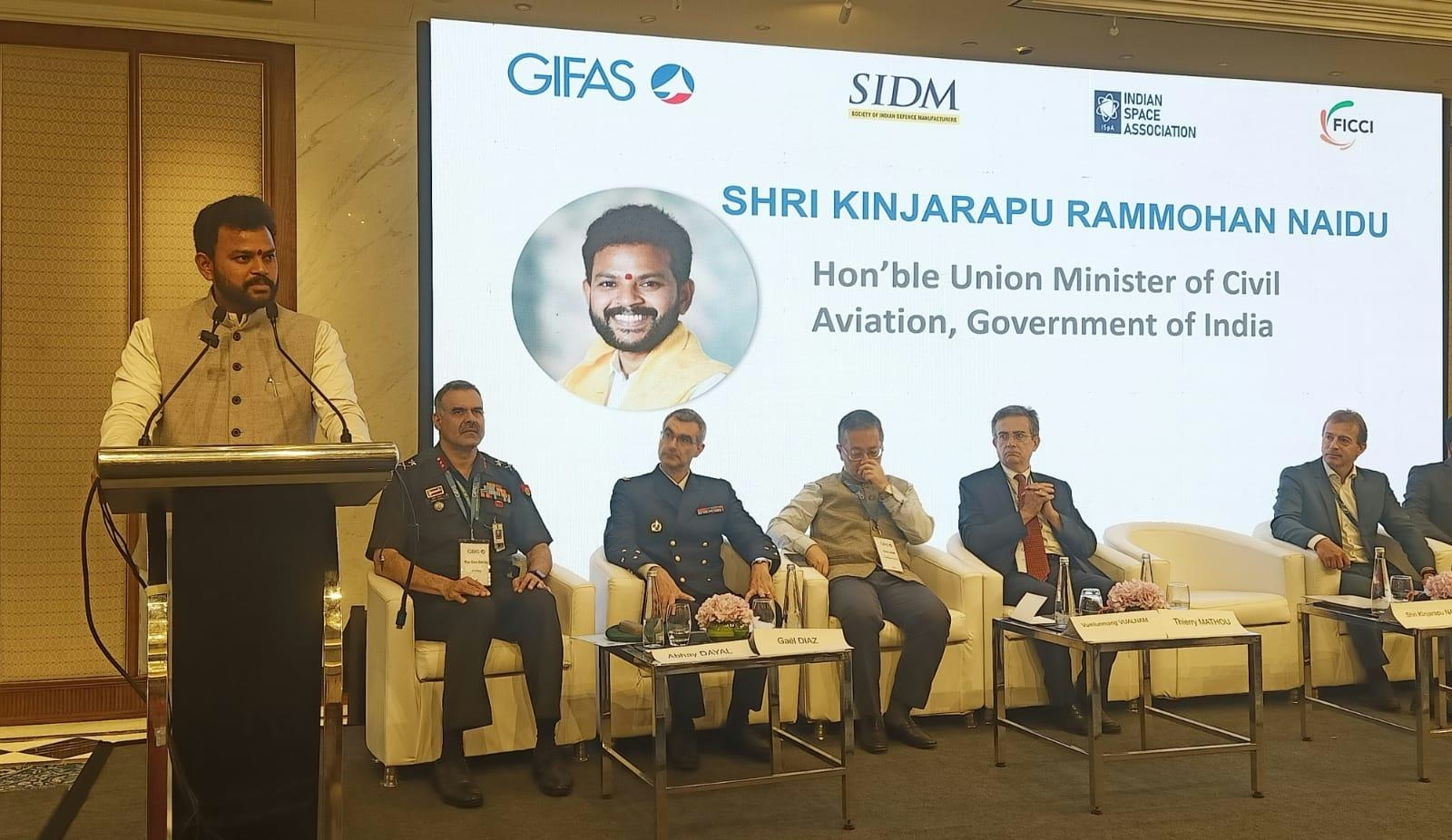
Civil Aviation Minister Outlines Opportunities for MSMEs in India’s Aviation Sector Expanding Horizons in India’s Aviation Industry India’s burgeoning aviation sector is presenting significant opportunities for Micro, Small, and Medium Enterprises (MSMEs) to integrate into global aerospace supply chains, according to Civil Aviation Minister K Rammohan Naidu. Addressing a conference organized by the Confederation of Indian Industry (CII) in New Delhi, Naidu highlighted the sector’s rapid growth, driven by substantial aircraft orders and a market expected to double by 2035. This expansion has the potential to transform India from a mere assembly hub into a comprehensive center for designing, certifying, and manufacturing aerospace components. The Indian aviation market is witnessing remarkable momentum, with domestic airlines placing orders for over 1,600 aircraft. This surge is generating demand for approximately 800 million parts and components. The aerospace and defence market in India is projected to nearly double from over USD 30 billion in 2025 to USD 61 billion by 2035. Concurrently, the commercial aviation fleet is expected to grow to around 2,050 aircraft, creating substantial opportunities for Indian manufacturers and MSMEs to deepen their participation in the sector. Naidu emphasized that Indian MSMEs and startups already contribute significantly, supplying aircraft components valued at more than USD 4 billion annually to global Original Equipment Manufacturers (OEMs). He pointed out that with Airbus and Boeing holding orders for over 15,000 commercial aircraft worldwide, the expanding market represents a major opportunity for Indian MSMEs to increase their global footprint. From Assembly to Innovation: Building a Global Aerospace Hub The minister underscored the necessity for India to evolve beyond its current role as an assembly destination and emerge as a hub for aerospace design, certification, and manufacturing. He stressed that realizing this potential requires the deliberate creation of an enabling ecosystem supported by robust policy frameworks and industry collaboration. “Potential does not automatically become production,” Naidu remarked, highlighting the importance of strategic interventions to foster innovation and capacity building. Supporting this vision, Salil Gupte, President of Boeing India and South Asia, revealed that Boeing sources products and services worth nearly Rs 14,000 crore annually from India. Notably, about 25 percent of Boeing’s 300 Indian suppliers are MSMEs, reflecting the growing integration of smaller enterprises into global aerospace supply chains. Addressing Challenges and Strategic Initiatives Despite the optimistic outlook, industry leaders acknowledge several challenges that must be addressed to sustain growth. India’s dependence on Gulf hubs for international connectivity exposes the aviation sector to geopolitical risks, including potential disruptions from regional conflicts such as the ongoing tensions in Iran. Such events can significantly affect airline operations and international traffic flows. To mitigate these vulnerabilities, Naidu emphasized the importance of strengthening the domestic workforce, particularly by reducing reliance on foreign pilots through enhanced training programs. Additionally, the sector is actively exploring the adoption of digital technologies, including artificial intelligence and automation, to improve productivity and maintain global competitiveness. Manufacturing industry leaders have highlighted these technological advancements as critical to the sector’s future success. Efforts are also underway to develop domestic semiconductor and advanced manufacturing capabilities. This strategic push aims to integrate Indian MSMEs more deeply into global value chains by enhancing their technological capacity and expanding market access. Outlook for MSMEs in India’s Aviation Sector With global aerospace giants such as Boeing and Airbus increasing their sourcing from India, and with concerted government and industry initiatives focused on ecosystem development, MSMEs are positioned to play a pivotal role in the next phase of India’s aviation growth. However, realizing this potential will require addressing structural challenges, investing in workforce development, and embracing technological innovation to ensure sustained competitiveness on the international stage.
EASA Advances Regulations for Increased AI Use in Cockpits
EASA Advances Regulations for Increased AI Use in Cockpits

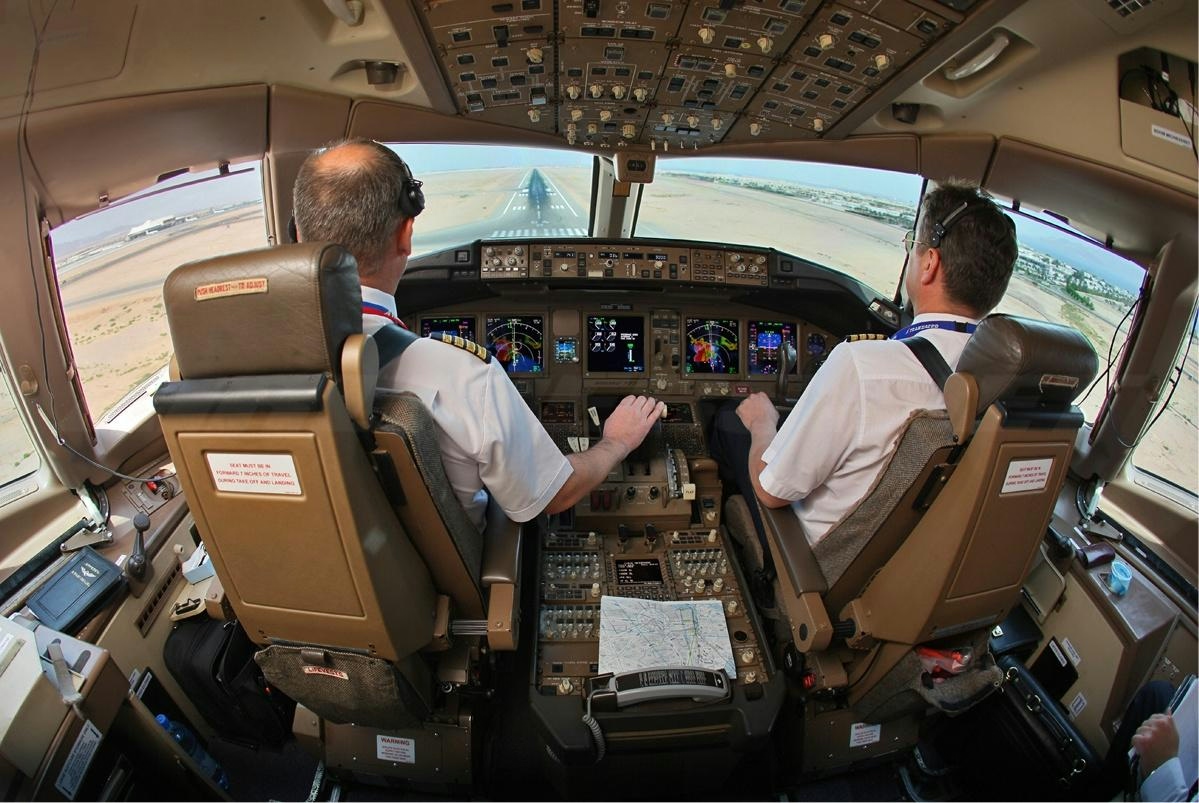
EASA Advances Regulations for Increased AI Use in Cockpits The European Union Aviation Safety Agency (EASA) is intensifying its efforts to regulate the integration of artificial intelligence (AI) within the aviation sector. This initiative was highlighted during the recent EASA AI Days held in Cologne, Germany, where developers presented sophisticated AI systems designed to enhance cockpit decision-making and safety analysis. Central to the discussions was an update on RMT.0742, EASA’s regulatory framework aimed at establishing comprehensive requirements for AI applications across all regulated aviation activities. Regulatory Progress and Industry Implications EASA first introduced its proposed AI regulations in November of last year, setting out foundational standards addressing AI assurance, human factors, and ethical considerations for systems intended to assist or collaborate with human operators. Following a public consultation period that concluded in March, the agency is currently reviewing stakeholder feedback. A subsequent proposal is anticipated to tailor these general principles to specific aviation domains, including aerodromes and other regulated operations. In its latest concept paper released in June, EASA expanded its regulatory scope to encompass emerging AI technologies such as reinforcement learning, symbolic AI, and Level 3 systems, which represent advanced automation. The agency underscored that these developments enable new operational paradigms where human operators may be remotely located or entirely absent during flight operations. The integration of AI into aviation presents a range of challenges. Comprehensive safety assessments are required to mitigate risks including atmospheric icing and thermal runaways in lithium-ion batteries. Security concerns are also mounting, particularly as the industry prepares for the transition to unleaded aviation gasoline by 2030 amid escalating cybersecurity threats. Market responses indicate that airlines adopting AI technologies may encounter heightened regulatory scrutiny and increased compliance costs, while competitors may accelerate their own AI initiatives to preserve market position. These dynamics unfold against a backdrop of persistent labor shortages and rising operational expenses. AI Systems Under Evaluation At the conference, EASA evaluated ten AI systems selected from a pool of fifty submissions for its inaugural “AI Olympics.” Among the finalists was Kairós Aeroespacial’s FOR-DEC AI, a cockpit assistance tool designed to help flight crews organize operational information, weigh options, and identify uncertainties during decision-making processes. Other notable contenders included an AI platform for analyzing aviation safety reports and Xcert AI, which supports engineers in certification and regulatory compliance tasks. The list of finalists was published on Wednesday, with conference participants voting to award gold, silver, and bronze distinctions. Kairós emphasized that its system is designed to maintain the pilot as the ultimate decision-maker, providing transparent reasoning to support crew decisions rather than autonomously executing operational commands. Looking Ahead The remaining sessions of the conference will focus on research into large language models and reinforcement learning, culminating in a panel discussion addressing the benefits and risks associated with advanced automation. As EASA progresses toward formalizing AI regulations, both the agency and industry stakeholders continue to navigate a complex environment where innovation must be carefully balanced with the imperative to uphold the highest standards of aviation safety.
2026 Commander's Awards Recognize Advances in Naval Aviation Readiness

2026 Commander's Awards Recognize Advances in Naval Aviation Readiness

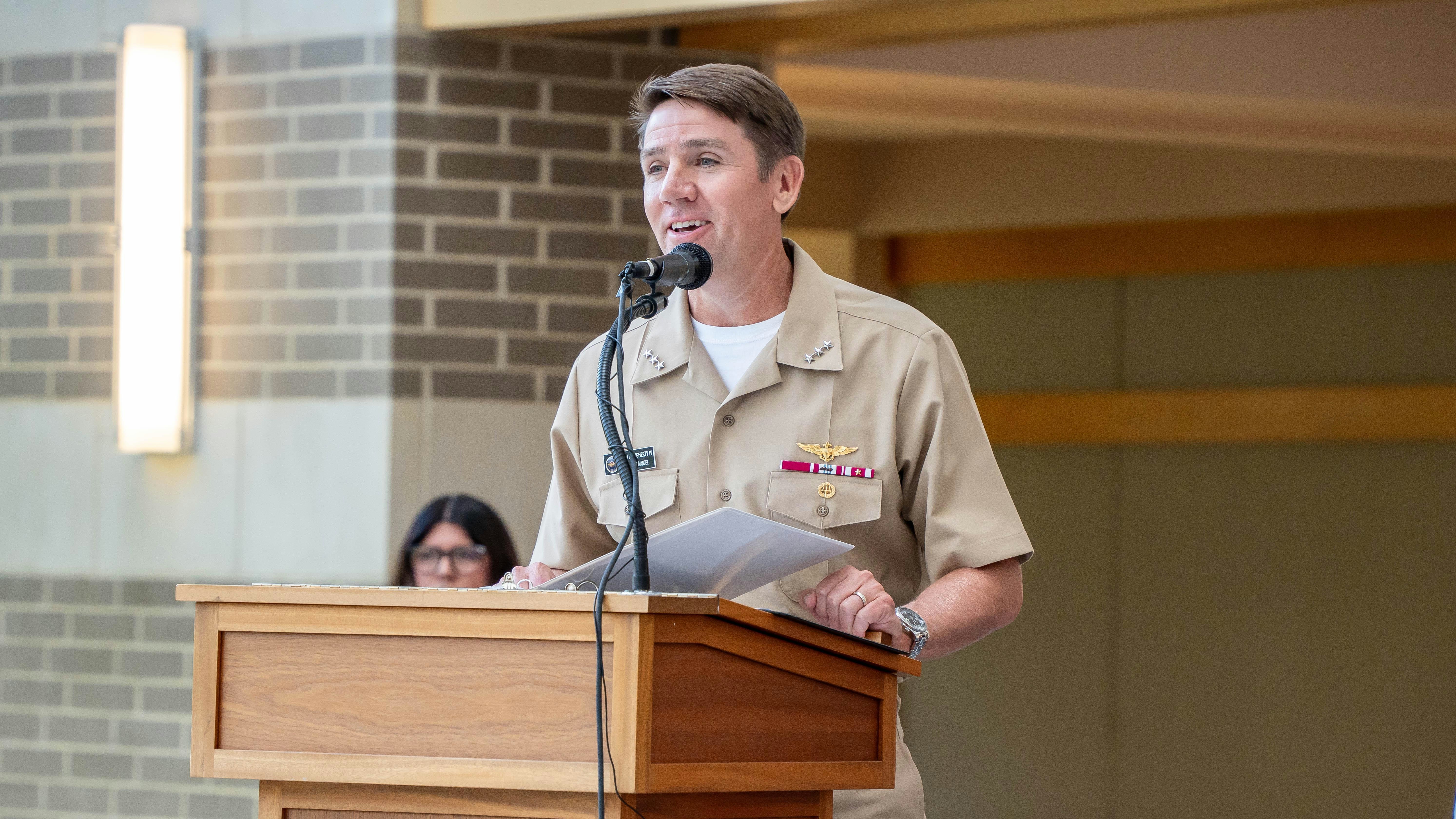
2026 Commander’s Awards Recognize Advances in Naval Aviation Readiness Vice Admiral John E. Dougherty IV, commander of Naval Air Systems Command and Portfolio Acquisition Executive Aviation (PAE(A)), presided over the 26th annual Commander’s Awards ceremony on September 1 at Patuxent River, Maryland. The event honored exceptional individuals and teams across nine categories, reflecting the enterprise’s core priorities of people, capability, readiness, and business operations. From 87 nominations, finalists were selected for their outstanding collaboration and innovation in delivering affordable capabilities to the fleet. The ceremony also featured the presentation of the Association of Naval Aviation’s Edward H. Heinemann Award, underscoring the community’s dedication to excellence. Vice Admiral Dougherty remarked, “Today’s ceremony recognizes the best of the best. Naval aviation is projecting power and deterring aggression across the globe because of you.” Steve Cricchi, NAVAIR executive director, highlighted the collective nature of the achievements, stating, “We’re here celebrating the output of some of our best teams and people. They’re reflective of the whole organization and the contributions we’re making to capability delivery, readiness, workforce, and the industrial base.” Challenges and Shifting Dynamics in Naval Aviation Readiness Despite the progress celebrated at the awards, the broader naval aviation readiness landscape continues to face significant challenges. Recent test failures in South Korea’s K-LUCAS development program have raised concerns about the reliability of international collaborations and the pace of technological advancement. These setbacks may affect future partnerships and the integration of emerging technologies into U.S. naval aviation initiatives. Market dynamics are also evolving, with the U.S. Army’s decision to open military test ranges to private companies aiming to accelerate innovation. This policy shift is expected to increase competition and potentially hasten the development of advanced defense technologies. Concurrently, global competitors are making strategic advances; for instance, Destinus has partnered with Danish firms to develop naval anti-drone capabilities, reflecting a broader international effort to enhance maritime defense systems. However, not all international programs have met expectations. Danish AW101 helicopters, recently scrutinized by national auditors, have reportedly failed to meet operational requirements, highlighting the complexities involved in maintaining readiness and ensuring that new acquisitions fulfill mission demands. As the 2026 Commander’s Awards celebrate the achievements of the naval aviation community, they also serve as a reminder of the evolving challenges and competitive pressures shaping the future of maritime defense. The commitment to innovation, collaboration, and readiness remains central as the Navy navigates a rapidly changing technological and strategic environment.
Flexjet Opens Dedicated Luxury Terminal at Farnborough Airport
Flexjet Opens Dedicated Luxury Terminal at Farnborough Airport

Flexjet Opens Dedicated Luxury Terminal at Farnborough Airport LONDON, Sept. 10, 2026 — Flexjet, a global leader in luxury private aviation, has inaugurated its first dedicated terminal in Europe at Farnborough Airport, marking a pivotal step in the company’s international growth. The $34 million, 2,098-square-meter facility is strategically situated at Farnborough, widely regarded as the premier private aviation gateway for London and a vital hub for high-end air travel across Europe. A New Standard in Private Aviation Facilities The terminal occupies a newly constructed ramp-side building, separate from Farnborough’s main terminal, and is exclusively staffed by Flexjet personnel. This arrangement ensures a seamless and private hospitality experience tailored specifically for Flexjet aircraft owners and their guests. Unlike traditional Fixed Base Operator (FBO) lounges, which serve a broad clientele of private aviation travelers, the Flexjet terminal offers a more intimate and personalized environment, designed to feel like a “home from home.” This opening expands Flexjet’s network of private terminals, which already includes nine locations across the United States, either operational or in development. With dedicated terminals now at both Farnborough and Teterboro Airport—New York City’s busiest private aviation hub—Flexjet owners gain exclusive access to two of the world’s foremost financial centers. Design and Amenities Reflecting Modern Luxury Designed by Carver Hain Art + Design, the terminal’s interior embodies contemporary luxury and privacy. Among its standout features is the Flexjet Gulfstream G700 Fuselage Lounge, a full-scale recreation of the company’s flagship ultra-long-range cabin, complete with the LXI Cabin Collection™ interior and a private master bedroom suite. The Owners Bar & Lounge offers floor-to-ceiling views of the airfield alongside a curated bar menu and signature cocktails, providing a refined setting for relaxation and socializing. The terminal also showcases bespoke art installations, including ‘Aero,’ a sculpture by renowned British artists, further enhancing the sophisticated atmosphere. Strategic Significance and Market Position Flexjet’s global infrastructure extends beyond terminals to encompass operations, sales, and maintenance across more than 25 locations worldwide. The Farnborough terminal’s completion, two years after construction began, was celebrated with a VIP event hosted by Flexjet Chairman Kenn Ricci. Ricci emphasized the terminal’s role in elevating the private aviation experience, stating, “A Flexjet flight is already an unrivalled experience, but this remarkable facility is a testament to how aircraft ownership with Flexjet extends far beyond the cabin, unlocking a lifestyle defined by exceptional convenience, effortless access, and enriching experiences the world over.” Despite the terminal’s promising debut, Flexjet faces challenges including competition from established private jet operators, the imperative to maintain exceptional standards of luxury and service, and the complexities of navigating aviation and environmental regulations. Early market responses have been favorable, with the terminal’s exclusivity and innovative design attracting high-profile clients and significant media attention. Industry analysts anticipate that competitors may respond by enhancing their own offerings or developing new facilities to maintain their market positions. With the launch of its Farnborough terminal, Flexjet continues to redefine the private aviation landscape, offering its owners an elevated level of privacy, comfort, and convenience while reinforcing its presence in key global markets.
France Receives First Two Falcon 2000 Albatros Aircraft
France Receives First Two Falcon 2000 Albatros Aircraft

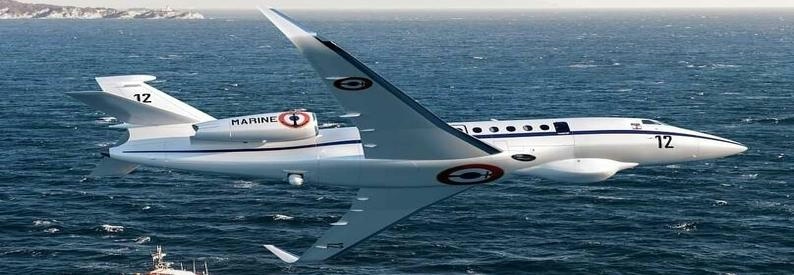
France Receives First Two Falcon 2000 Albatros Aircraft The French defence procurement agency, Direction générale de l’armement (DGA), has officially taken delivery of the first two Falcon 2000 Albatros maritime surveillance aircraft. This milestone marks a significant advancement in the modernization of the French Navy’s aerial capabilities. Based on the Falcon 2000LXS platform and bearing military markings 395 and 415, these aircraft will be operated by the French Navy’s air branch, Aéronavale. The AVSIMAR Programme and Fleet Expansion The delivery forms part of the Maritime Surveillance and Intervention Aircraft (AVSIMAR) programme, which began with a December 2020 order from Dassault Aviation for seven Falcon 2000 Albatros aircraft, with options for an additional five units. The full complement of 12 aircraft is expected to be delivered by 2031, contingent upon the confirmation of further orders scheduled for September 2025. This phased acquisition underscores France’s commitment to enhancing its maritime surveillance and intervention capabilities over the coming decade. Integration Challenges and Industry Implications As the French Navy begins integrating the Falcon 2000 Albatros into its operational framework, it may face challenges related to adapting the new platform to existing naval procedures and infrastructure. Early deployment phases often reveal technical and logistical issues typical of introducing a new aircraft type, necessitating close collaboration between Dassault Aviation, the DGA, and naval personnel to ensure a seamless transition. The introduction of the Falcon 2000 Albatros has attracted considerable attention within the global defence and aviation sectors. Dassault Aviation’s enhanced maritime surveillance capabilities are expected to stimulate interest from international customers, potentially influencing procurement strategies in other navies. In response, competitors such as Boeing and Airbus may accelerate the development or upgrade of their own maritime surveillance platforms to maintain their market positions. This development also takes place amid shifting dynamics in the global aviation market. The emergence of new players, notably China’s COMAC C919 entering international markets, could impact strategic decisions within the French defence sector and among its industrial partners. The evolving competitive landscape is likely to prompt the French Navy and its suppliers to emphasize innovation and operational efficiency as they deploy the Falcon 2000 Albatros fleet. Despite these challenges and market pressures, the arrival of the Falcon 2000 Albatros represents a pivotal step in France’s efforts to bolster its maritime surveillance and intervention capabilities, thereby enhancing national security and operational readiness for the foreseeable future.
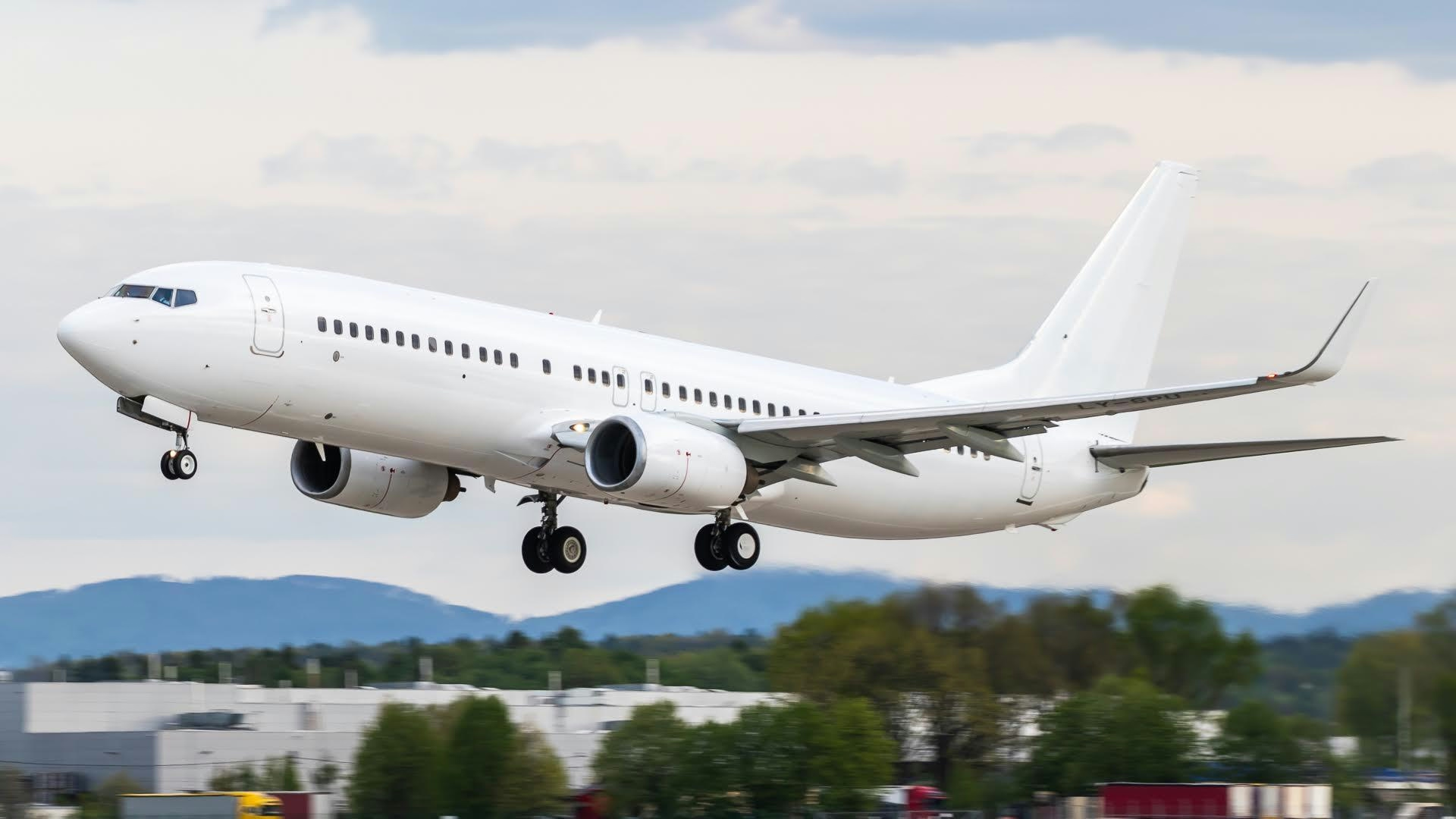
Air Sénégal’s New B737-800 Is a Repainted Wet Lease
Air Sénégal’s New B737-800 Is a Repainted Wet Lease

Air Sénégal’s “New” Boeing 737-800 Revealed as Repainted Wet Lease Amid Expansion The arrival of Air Sénégal’s so-called “new” Boeing 737-800 at Dakar Blaise Diagne International Airport on September 7, 2026, has come under scrutiny following revelations about the aircraft’s true status. Registered as LY-SEI (msn 32692), the jet is a 19.3-year-old airframe previously operated by Lithuania’s GetJet Airlines. Contrary to initial reports presenting the aircraft as a fresh addition to the national carrier’s fleet, it has in fact been wet leased from GetJet since May 30, rather than being a newly acquired asset. The aircraft, which arrived from Casablanca Mohammed V Airport where it had been stationed since August 31, now features a new livery commemorating the Dakar 2026 Youth Olympic Games, scheduled to take place in Senegal from October 31 to November 13. The arrival ceremony was marked by the presence of President Bassirou Diomaye Diakhar Faye, who officially named the aircraft “Gorée,” alongside Transport Minister Abdoul Ahad Ndiaye and other government officials. Government Backing and Leasing Complexities Air Sénégal had previously announced through local media that it had secured its first Boeing 737-800 in a transaction described as “fully financed and managed by the Senegalese government.” Chief Executive Tidiane Ndiaye framed the acquisition as a strong endorsement of the airline’s growth and expansion ambitions. The government’s direct involvement underscores its strategic commitment to bolstering the national carrier’s position within the regional aviation market. However, data from ch-aviation reveals a more complex ownership and leasing arrangement. The aircraft is owned by leasing giant AerCap and dry leased to GetJet Airlines, which in turn wet leases it to Air Sénégal. While the Olympic-themed paint scheme is new, the aircraft itself and its ownership structure remain unchanged. This arrangement highlights the operational and financial complexities faced by emerging carriers seeking fleet expansion. Wet leasing offers flexibility and immediate capacity but does not confer the full benefits or control associated with outright ownership. Operational and Market Implications The integration of the Boeing 737-800 into Air Sénégal’s operations presents several challenges. The airline must ensure adequate crew training and manage the maintenance demands of an older aircraft. Furthermore, the introduction of this jet is expected to intensify competition among regional carriers, potentially prompting rivals to adjust their fleet strategies or pricing models. Market analysts observe that while the government’s financial backing signals a strong commitment to Air Sénégal’s development, reliance on wet leasing may constrain the airline’s operational autonomy. Nonetheless, the move positions Air Sénégal to capitalize on increased passenger demand during the Youth Olympic Games and supports its broader ambitions to expand its footprint in West Africa’s competitive aviation sector. ch-aviation has reached out to both GetJet Airlines and Air Sénégal for comment.
DGCA Mandates Drug Testing for All Pilots Following Air India Phuket Incident

DGCA Mandates Drug Testing for All Pilots Following Air India Phuket Incident

DGCA Mandates Comprehensive Drug Testing for Pilots Following Air India Incident In the wake of a recent incident involving an Air India pilot who tested positive for marijuana after a sudden loss of altitude on a Phuket-Delhi flight, the Directorate General of Civil Aviation (DGCA) has issued a directive mandating a one-time drug test for all pilots employed by Indian airlines. This order, issued in August, requires that the tests be completed by July of next year and affects approximately 14,000 pilots across the country’s carriers. Incident and Immediate Response The incident on August 4 triggered swift action from Air India, which promptly initiated drug testing for all its pilots, including those at its budget subsidiary, Air India Express. The airline also introduced a voluntary self-declaration process, encouraging employees to report any use of psychoactive substances. Both pilots involved in the Phuket-Delhi flight were immediately removed from duty pending an investigation. This inquiry is being conducted jointly by Indian authorities, Airbus, and France’s air safety agency. Following the Aircraft Accident Investigation Bureau’s confirmation of the pilot-in-command’s positive drug test, Air India terminated the pilot’s employment. The airline’s CEO has since been summoned by the Ministry of Civil Aviation to address the issue. Regulatory Framework and Proposed Changes Under current DGCA regulations, annual random drug testing is conducted on 10% of pilots and air traffic controllers, as stipulated in the Civil Aviation Requirements (CAR) implemented on January 31, 2022. These regulations also extend to other safety-sensitive aviation personnel, including aircraft maintenance engineers, certifying staff, trainee pilots, instructors, and examiners, who undergo testing upon hiring or following specific incidents. However, the Air India case has intensified calls for more rigorous protocols. Civil Aviation Minister K Rammohan Naidu has indicated that the DGCA is preparing to release a draft of stricter norms for testing aviation personnel for psychoactive substances by the end of the month. The Ministry of Civil Aviation has recommended moving beyond the current random sampling approach to mandate annual drug tests for all pilots. Testing Procedures and Future Oversight According to the existing DGCA CAR, urine samples collected for drug testing are divided into two containers. An initial screening is conducted immediately, and if the result is ‘non-negative’—indicating the possible presence of psychoactive substances—the pilot is removed from flying duties pending a confirmatory test using the second sample. While the DGCA had been reviewing its drug testing regulations prior to the incident, the Phuket-Delhi case has accelerated efforts to implement comprehensive testing and enforce stricter disciplinary measures in confirmed cases of drug abuse. The new directive requiring all airline pilots to undergo a one-time drug test within the next 12 months represents a significant tightening of regulatory oversight aimed at enhancing aviation safety.
line