
حوّل رؤى الذكاء الاصطناعي إلى أفعال منسّقة

الرائج الآن
Categories
UPS Plane Crash Hearing Reveals Aircraft Swap Hours Before Engine Failure
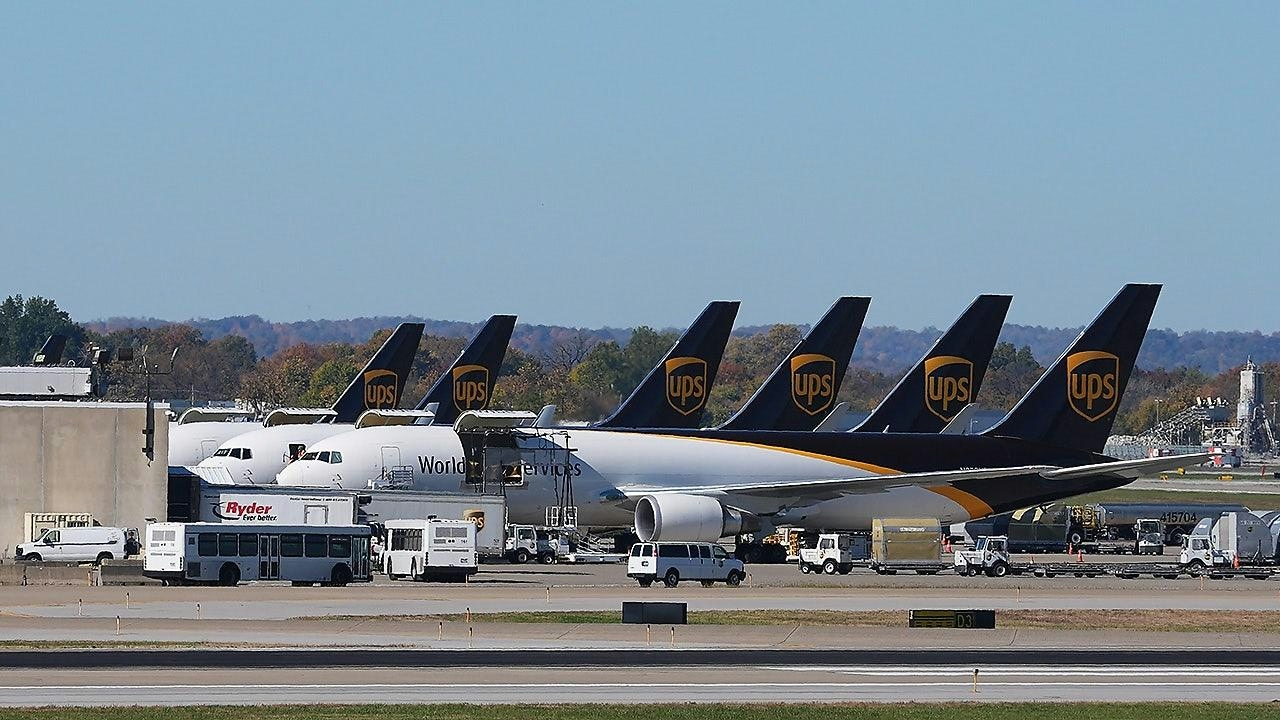
UPS Plane Crash Hearing Uncovers Last-Minute Aircraft Swap and Engine Failure
Investigations into the tragic UPS cargo plane crash in Louisville, Kentucky, have revealed that the airline switched aircraft just hours before the catastrophic engine failure that led to the disaster. The National Transportation Safety Board (NTSB) hearings held in Washington this week have exposed critical concerns regarding aircraft safety protocols and regulatory oversight following the November incident, which claimed 15 lives.
Circumstances of the Crash and Aircraft Swap
The NTSB reported that the left engine of a UPS MD-11 cargo plane detached from its wing as the aircraft accelerated down the runway at Louisville’s Muhammad Ali International Airport. The plane narrowly cleared the airport perimeter before crashing into nearby commercial buildings, igniting a massive fire. The crash resulted in the deaths of all three pilots aboard and 12 individuals on the ground, with an additional 23 people sustaining injuries.
Documents presented during the hearings revealed that UPS initially loaded cargo onto a different MD-11 aircraft scheduled for a flight to Hawaii. However, a preflight inspection detected a fuel leak, prompting the airline to transfer both the cargo and flight crew to a second MD-11—the very aircraft that subsequently crashed.
Engine Mounting Issues and Regulatory Oversight
The hearings have brought to light longstanding problems with the components responsible for securing engines to aircraft wings. Investigators uncovered records of ten prior defects related to these critical parts, most of which had not been reported to the Federal Aviation Administration (FAA). Central to the investigation are the spherical bearings and the support structures connecting the engine to the wing, where fatigue cracks were discovered post-crash.
A Boeing report from 2011 had previously identified a cracked component in this area, noting similar failures on three other aircraft. Despite these findings, Boeing concluded at the time that the flaw did not constitute a significant safety risk and did not implement further corrective measures. This decision is now under intense scrutiny as the NTSB evaluates whether both the manufacturer and regulatory bodies adequately addressed known hazards.
FAA and UPS representatives acknowledged during the hearings that reports they received concerning the bearing issues often lacked sufficient detail. David Springer of UPS testified that Boeing’s service letters characterized the bearing problem as "almost benign" and failed to highlight the potential for collateral damage to the lugs connecting the engine to the wing. Springer remarked, "I think if we would have known that at UPS, I think we would have asked a lot of different questions over the years."
Ongoing Investigation and Broader Implications
The NTSB has released over 2,000 pages of documents as part of its ongoing effort to determine the root causes of the crash and assess the adequacy of existing regulatory oversight. The incident has ignited broader discussions about the effectiveness of safety reporting mechanisms, the responsibilities of aircraft manufacturers, and the potential ramifications for public confidence in aviation safety standards.

Korean Air MRO Cluster to Open in Incheon Yeongjong by 2031
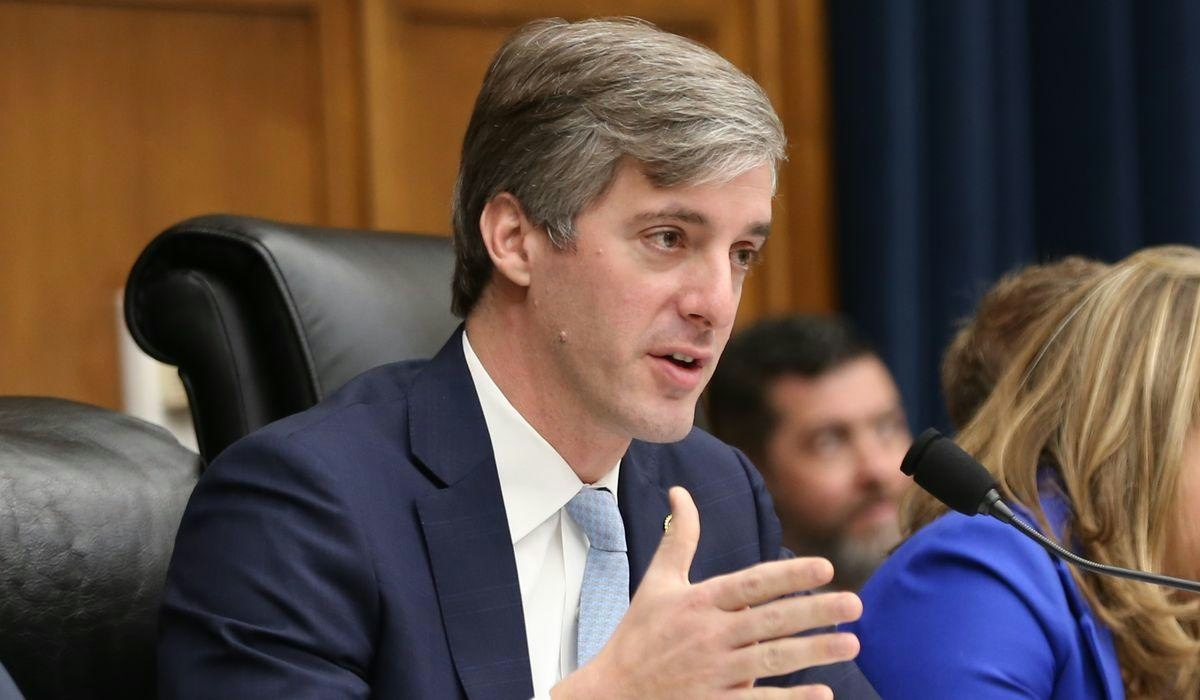
Modernizing Aviation for the 21st Century
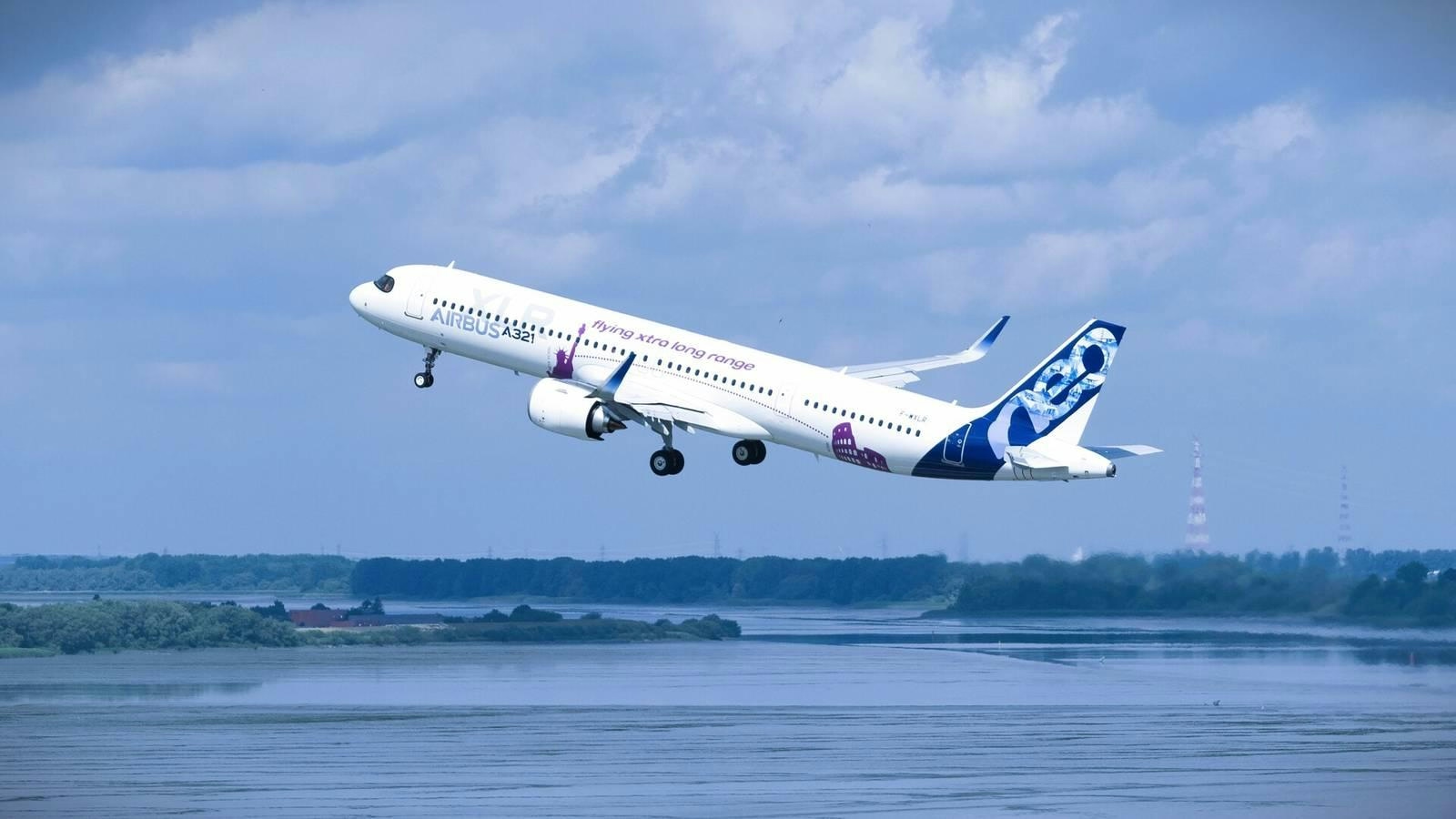
Airbus Narrowbody Orders Increase Despite Valuation Below Analyst Estimates

Air Taxi Trials Commence in Alatau City
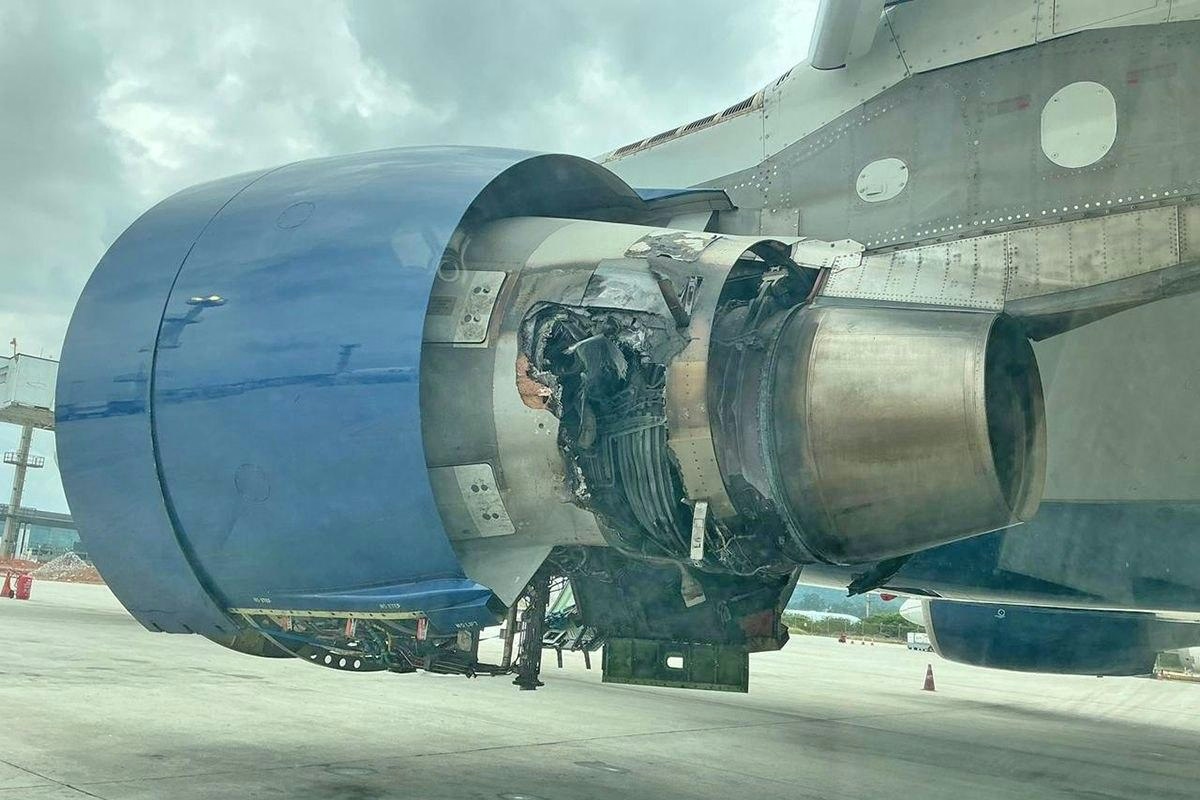
Delta A330 Makes Emergency Landing Following Mid-Air Engine Fire and Cabin Power Loss
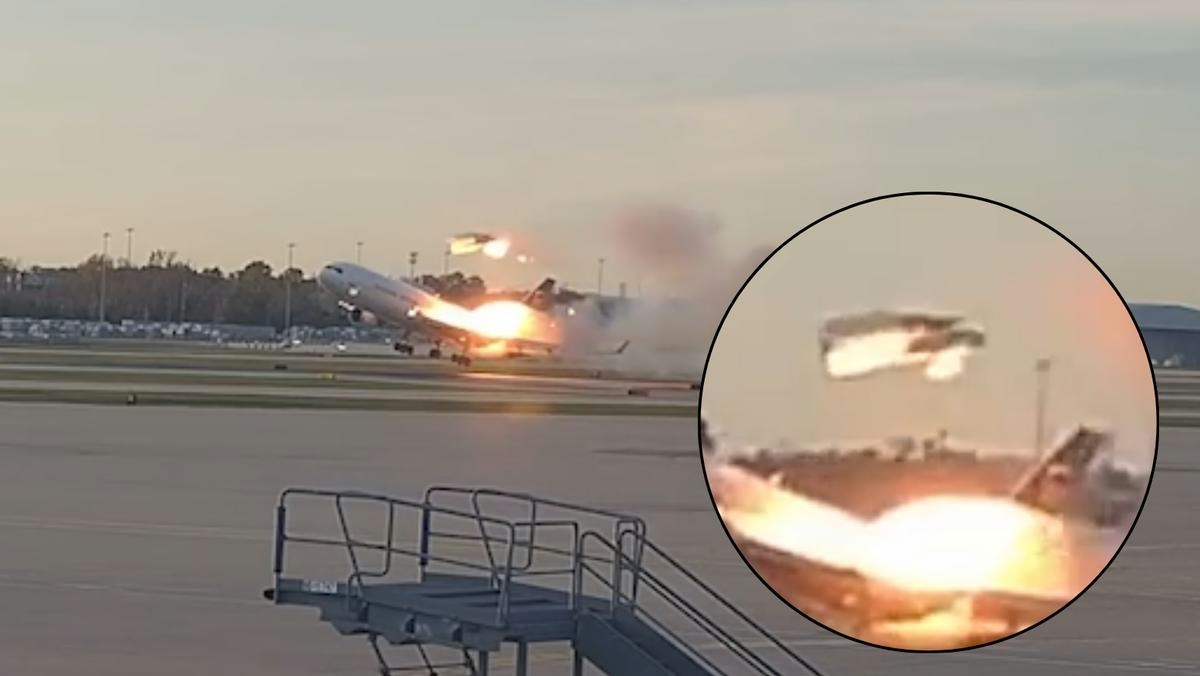
NTSB Releases Video Showing Engine Detachment Before UPS Plane Crash in Louisville
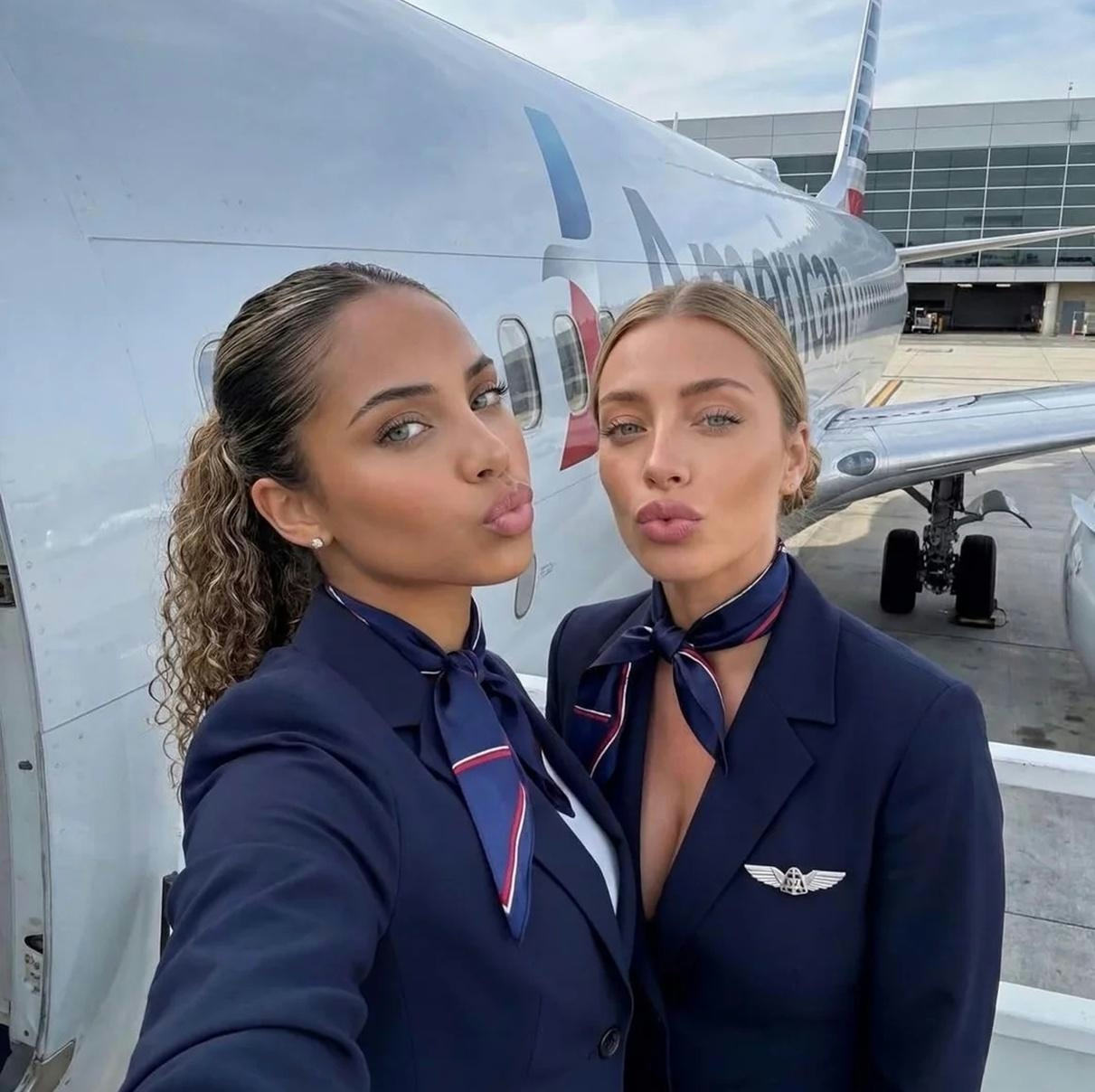
Instagram Account Impersonating American Airlines Flight Attendant Revealed as AI-Generated

Hopscotch Air Parent Advances Toward OTC Trading
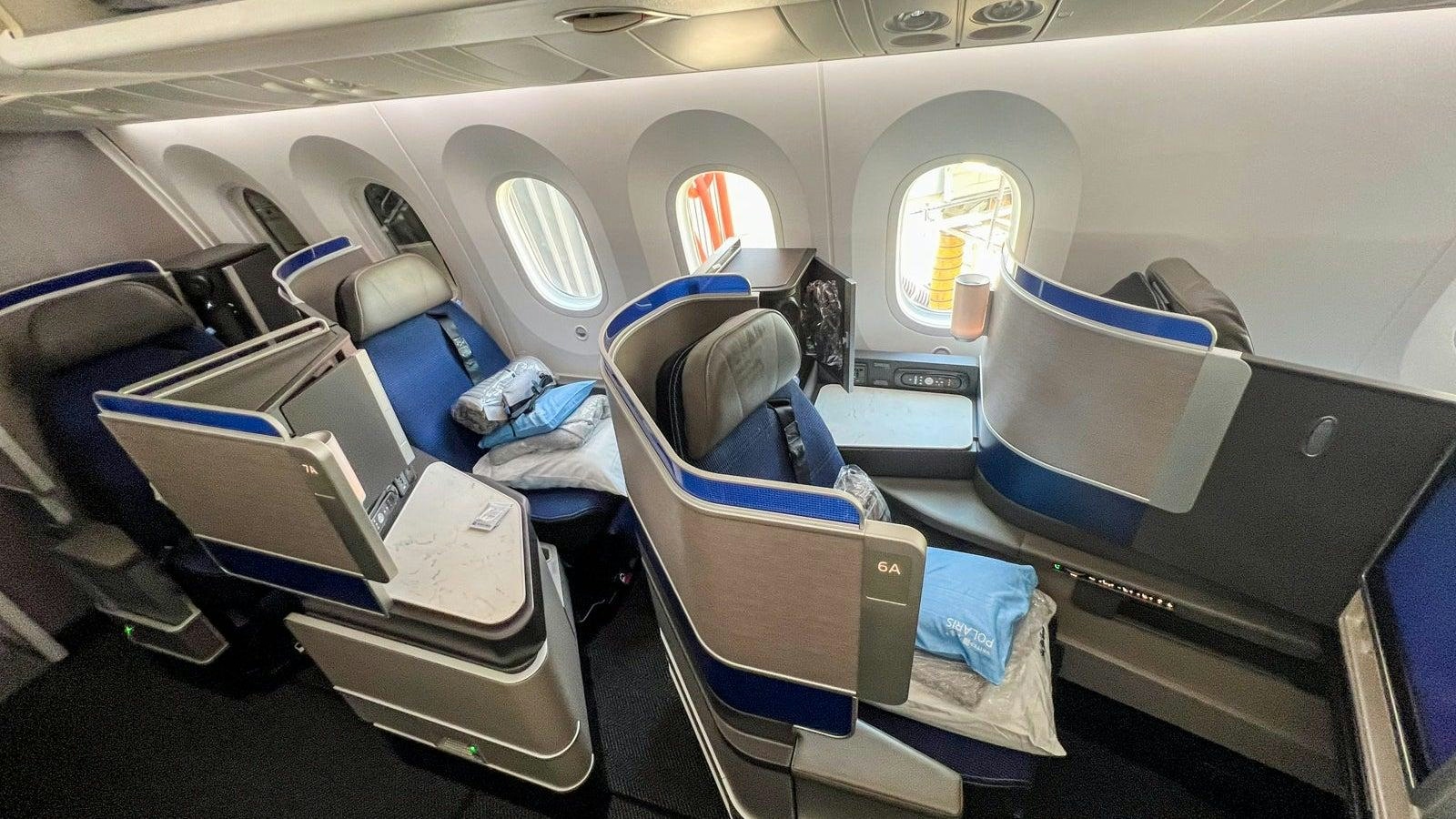
Cost of United Polaris Business Class on Boeing 787 in 2026
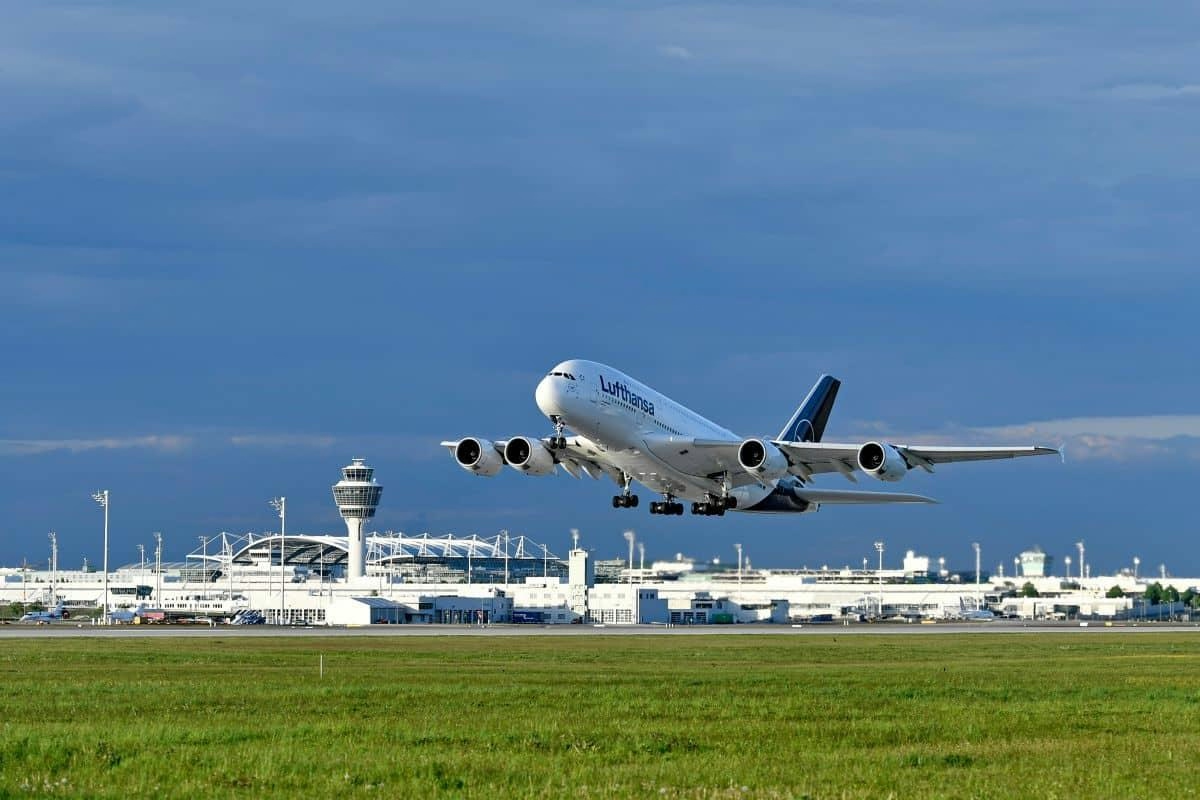
Lufthansa’s Fleet Strategy Under Scrutiny After Airbus and Boeing Orders
