
将人工智能洞察转化为可执行行动

热门趋势
Categories
American Airlines Cuts Missed Connections at Dallas Hub by Half Through AI and Scheduling Changes
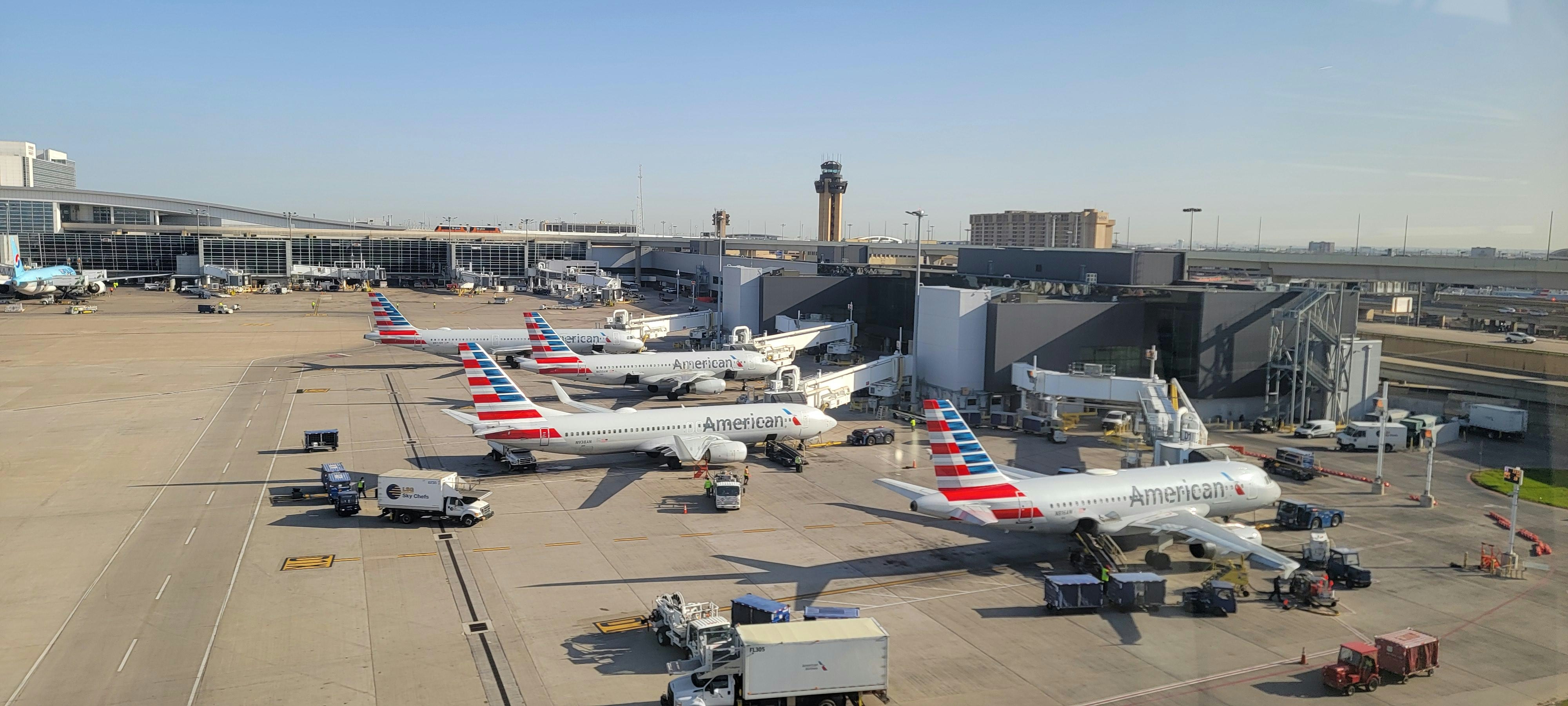
American Airlines Cuts Missed Connections at Dallas Hub by Half Through AI and Scheduling Changes
American Airlines has announced a significant reduction in missed flight connections at its Dallas/Fort Worth International Airport (DFW) hub, achieving a 50% decrease by integrating artificial intelligence with strategic scheduling adjustments. This development represents a major operational advancement at DFW, which serves as American’s second-largest global hub and a critical nexus for both domestic and international travel.
AI-Driven Scheduling and Peak-Hour Optimization
The airline’s approach combines the deployment of sophisticated AI-powered scheduling systems with the implementation of thirteen carefully timed “rush hour” windows each day. These concentrated periods enable American Airlines to optimize gate assignments, streamline ground operations, and expedite aircraft turnaround during peak passenger connection times. The AI technology continuously monitors real-time data, including passenger flows, aircraft positions, and ground resource availability, allowing for dynamic operational adjustments in response to fluctuating demand.
By consolidating connections within these designated windows rather than spreading them evenly throughout the day, American has enhanced predictability and operational efficiency at DFW. A company spokesperson emphasized that this improvement directly benefits customer satisfaction and overall reliability at the airline’s flagship hub.
Industry Implications and Competitive Landscape
This operational breakthrough arrives amid increasing complexity and rising costs faced by legacy carriers. Given DFW’s strategic location near American Airlines’ Fort Worth headquarters, the hub serves as a vital indicator of the airline’s broader network performance. Reducing missed connections not only improves the passenger experience but also generates significant financial advantages by lowering expenses related to rebookings, compensation, and lost revenue.
Industry analysts suggest that the 50% reduction in missed connections could translate into millions of dollars in operational savings, strengthening American’s competitive position. The initiative exemplifies a wider industry trend toward embracing technology and data-driven decision-making as airlines navigate challenges such as volatile fuel prices and evolving labor costs.
Competitors including Delta Air Lines and United Airlines are similarly investing in AI-driven operational enhancements. However, United faces capacity restrictions imposed by the Federal Aviation Administration at San Francisco International Airport, which may divert connecting traffic to American’s Dallas hub, potentially reinforcing American’s market share.
Challenges and Market Reactions
Despite the clear operational benefits, American Airlines confronts challenges in implementing these advanced systems. The initial investment required for AI technology and scheduling overhauls is substantial, and there is potential resistance from employees concerned about job security amid increasing automation. Nevertheless, early responses from the market have been positive, with investors encouraged by the prospects of improved efficiency and cost reductions. Questions remain, however, regarding the long-term effects of AI integration on the airline workforce.
In response, competitors may accelerate their own adoption of technology or enhance customer service offerings to maintain differentiation in a rapidly evolving industry landscape.

Etihad Airways Suspends Airbus A380 Flights on Key Route

Aditya Birla Group Seeks Approval for Aircraft Leasing in GIFT City

Qatar Airways Highlights Innovation and Connectivity at Arabian Travel Market 2026

Hong Kong's Five-Year Plan Includes Andrew Fan's Aircraft Parts Processing Hub Proposal

ACIA Aero Leasing Delivers ATR72-600 to Air Nostrum

RTX Appoints Jill Albertelli as Head of Pratt & Whitney

TAT Technologies Joins Beyond Aero Hydrogen Aircraft Program

AURAK Study Highlights Barriers to Air Taxi Adoption in Emerging Economies

Xiamen Air Selects Altitude for 787 Maintenance at Heathrow

Etihad and Swissport Extend Global Partnership
