
将人工智能洞察转化为可执行行动

热门趋势
Categories
LS Engine Swaps Now Being Installed in Aircraft
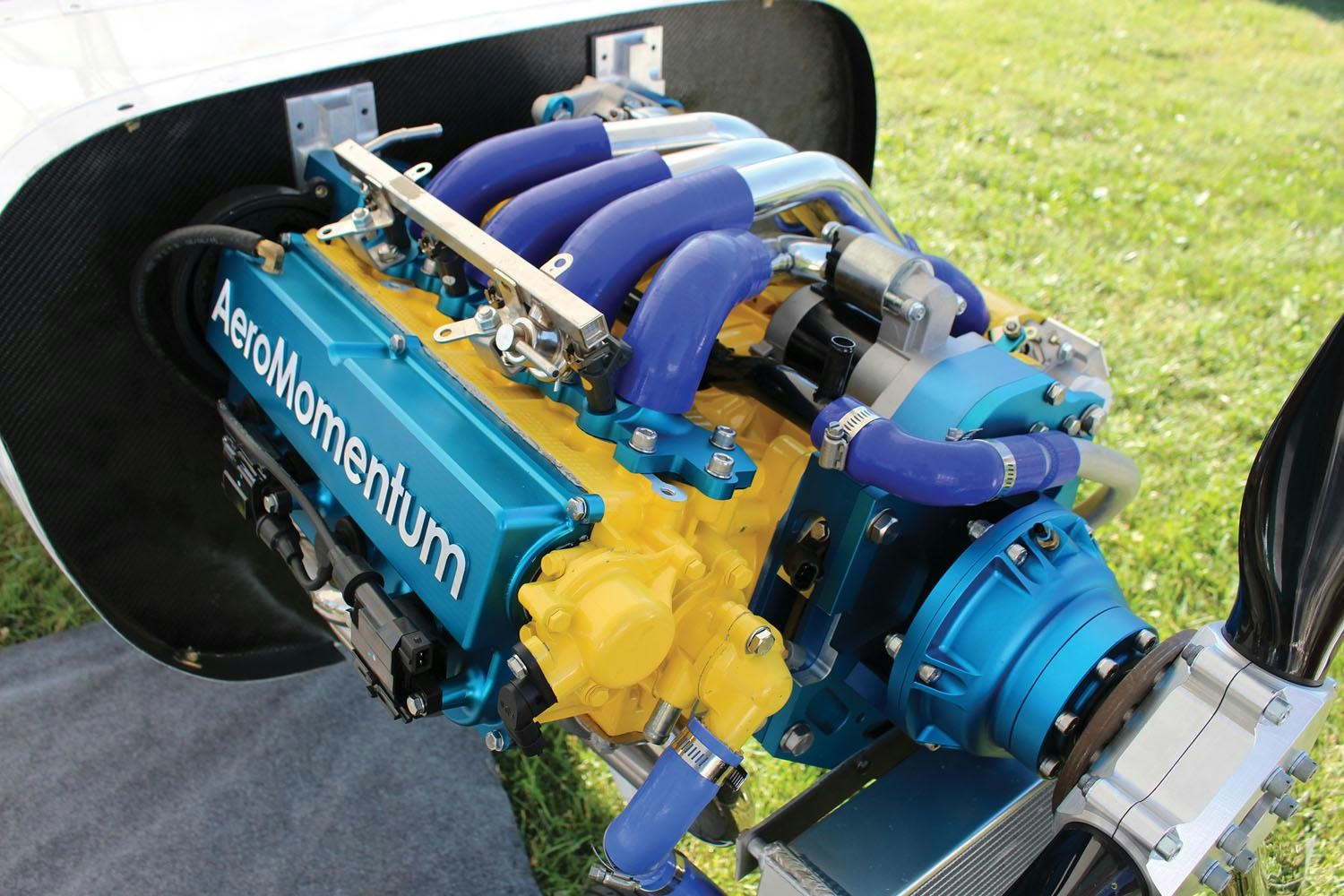
LS Engine Swaps Take Flight: GM’s V8s Powering Aircraft
General Motors’ LS family of small block V8 engines, renowned for their compact design, robust power output, and widespread availability, have long been favored by automotive enthusiasts. Recently, these engines have begun to find new applications in aviation, as builders and companies increasingly adopt LS swaps for aircraft propulsion.
The LS3 Engine and Its Aviation Adaptations
The LS3, a 6.2-liter V8 producing 430 horsepower at 5,900 rpm, has emerged as a particularly popular choice for aviation projects. Available in various crate engine configurations, it offers options tailored for higher revolutions, flatter torque curves, or enhanced power. Although originally designed for automotive use, these engines are frequently modified by aircraft builders to meet the specific demands of flight, including adjustments for reliability and performance under different operating conditions.
A notable example of innovation in this field is Baxter’s LS-swapped Velocity aircraft, which incorporates GM’s cylinder deactivation technology. This system allows the engine to operate as two independent V4 units, each controlled by its own electronic control unit. In the event of a malfunction, the pilot can deactivate half of the engine, relying on the remaining cylinders to ensure a safe landing. This approach underscores the adaptability and reliability that have made LS engines attractive for experimental aviation.
Advantages and Industry Developments
One of the key benefits of using LS engines in aircraft is the ready availability of parts. With millions of LS engines produced worldwide, replacement components are easy to source, even in remote locations. This accessibility provides a significant advantage for builders and operators, enhancing maintenance and reducing downtime.
Responding to the growing interest in LS engine swaps for aviation, companies such as Adventure Aviation West LLC have developed dedicated LS3 engine swap kits. Priced at $62,995, these kits offer a plug-and-play solution designed to fit a variety of airframes, simplifying the installation process. This development reflects a broader trend in high-performance engine modifications, which is evident not only in aviation but also in automotive sectors, where LS-swapped vehicles like the 1981 Jeep Scrambler have gained popularity.
Context Within the Aviation Industry
The rise of LS engine swaps in aircraft occurs amid broader challenges facing the aviation industry. At the recent Singapore Airshow, industry leaders highlighted ongoing delivery delays and increased demand for operating leases, particularly in the Asia-Pacific region. Competition within the aviation market is intensifying, with Airbus Helicopters’ H160 securing a 50% share of the medium twin-engine segment, posing a significant challenge to established manufacturers such as Leonardo.
Despite these challenges, the proven durability and reliability of the LS engine family continue to attract both individual builders and commercial operators. As demand grows for high-performance, easily serviceable aircraft engines, LS swaps are poised to become an increasingly common feature in both automotive and aviation contexts.

Etihad Airways Suspends Airbus A380 Flights on Key Route

Aditya Birla Group Seeks Approval for Aircraft Leasing in GIFT City

Qatar Airways Highlights Innovation and Connectivity at Arabian Travel Market 2026

Hong Kong's Five-Year Plan Includes Andrew Fan's Aircraft Parts Processing Hub Proposal

ACIA Aero Leasing Delivers ATR72-600 to Air Nostrum

RTX Appoints Jill Albertelli as Head of Pratt & Whitney

TAT Technologies Joins Beyond Aero Hydrogen Aircraft Program

AURAK Study Highlights Barriers to Air Taxi Adoption in Emerging Economies

Xiamen Air Selects Altitude for 787 Maintenance at Heathrow

Etihad and Swissport Extend Global Partnership
