
将人工智能洞察转化为可执行行动

热门趋势
Categories
Lufthansa Updates 747-8 Fleet
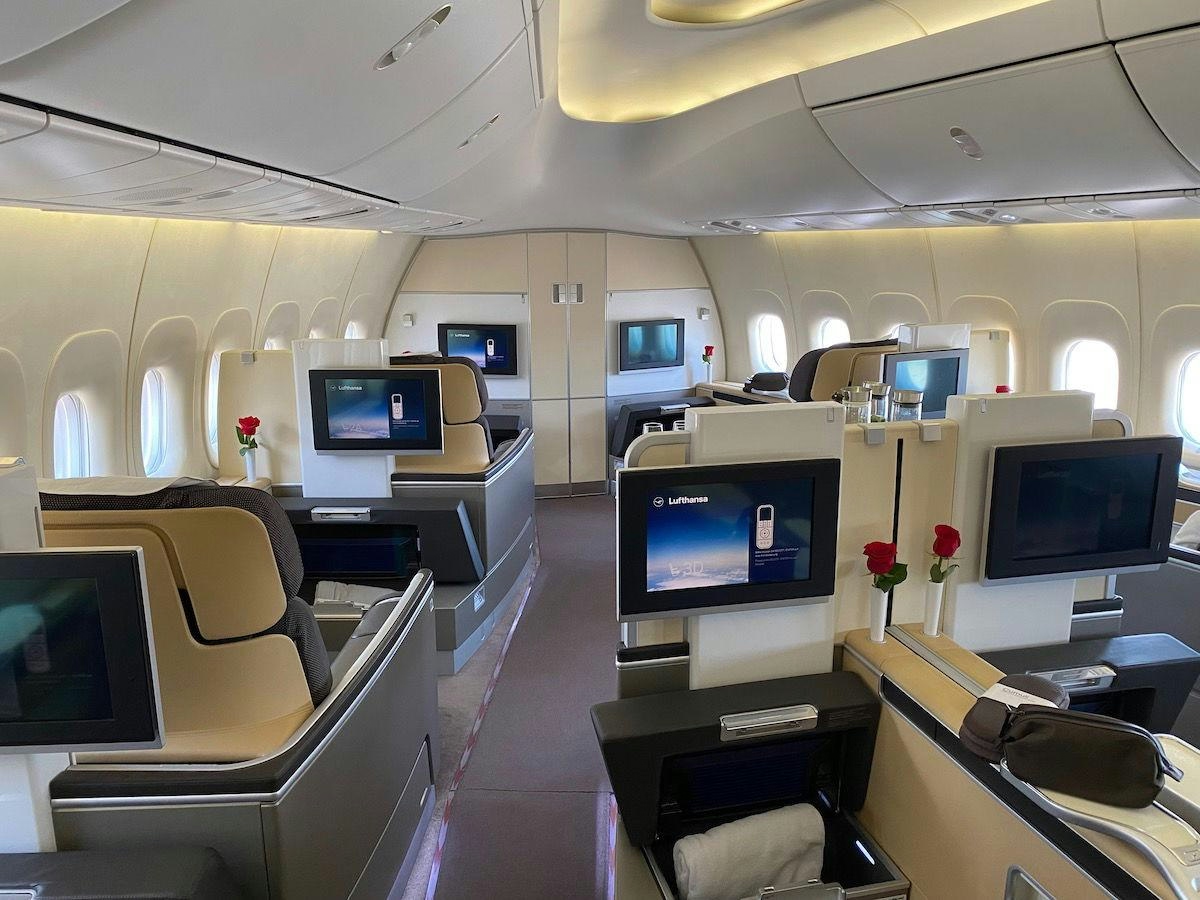
Lufthansa Advances 747-8 Fleet Upgrades Amid Broader Renewal Challenges
Lufthansa is set to commence a comprehensive retrofit program for its Boeing 747-8 fleet next month, reaffirming its long-term commitment to the iconic aircraft amid a broader transformation of its widebody operations. The upgrade will introduce the latest cabin products, including the new Allegris Business Class, alongside refreshed Premium Economy and Economy cabins. This multi-stage interior renewal aims to harmonize the 747-8 experience with Lufthansa’s incoming next-generation aircraft, ensuring consistency in passenger comfort and maintaining high standards of customer satisfaction.
The airline acknowledges the complexity involved in retrofitting the 747-8, particularly given its unique seating configurations, which demand meticulous planning and a rigorous focus on safety. This decision to retain the 747-8 fleet comes as Lufthansa phases out older widebody models such as the Airbus A340 family and the long-serving 747-400. The 747-8s are expected to remain operational well into the next decade, with potential deployment on new routes as the airline adapts its network strategy in the short to medium term.
Challenges Amid Fleet Renewal and Market Dynamics
Lufthansa’s fleet updates occur against a backdrop of heightened scrutiny from aviation analysts, who question the costs and operational impacts of such extensive upgrades. In addition to the interior refurbishments, the airline plans to introduce a centenary livery on its 747-8s, a move designed to generate customer interest and market attention.
The broader fleet renewal strategy has encountered significant obstacles. During the COVID-19 pandemic, Lufthansa accelerated the retirement of less efficient aircraft to streamline operations and prepare for a post-pandemic recovery. This strategy depended heavily on the timely delivery of new, more efficient jets. However, ongoing supply chain disruptions, certification delays, and quality control issues have hindered aircraft deliveries, leaving the airline with fewer planes than anticipated as travel demand rebounds.
Compounding these difficulties, Lufthansa is currently conducting inspections on 11 recently delivered Airbus aircraft for potential fuselage flaws. This development raises concerns about possible operational disruptions and could undermine market confidence in the airline’s reliability.
Meanwhile, competitors are closely observing Lufthansa’s fleet decisions. China Airlines, for instance, is pursuing its own modernization by acquiring new Airbus and Boeing widebodies while phasing out its Boeing 747-400 freighters. Such moves may prompt other carriers to reassess their fleet strategies and maintenance programs in response to evolving market conditions.
As Lufthansa navigates these complexities, its commitment to upgrading the 747-8 fleet highlights the airline’s efforts to balance operational efficiency, passenger experience, and competitive positioning within a rapidly changing aviation landscape.

Etihad Airways Suspends Airbus A380 Flights on Key Route

Aditya Birla Group Seeks Approval for Aircraft Leasing in GIFT City

Qatar Airways Highlights Innovation and Connectivity at Arabian Travel Market 2026

Hong Kong's Five-Year Plan Includes Andrew Fan's Aircraft Parts Processing Hub Proposal

ACIA Aero Leasing Delivers ATR72-600 to Air Nostrum

RTX Appoints Jill Albertelli as Head of Pratt & Whitney

TAT Technologies Joins Beyond Aero Hydrogen Aircraft Program

AURAK Study Highlights Barriers to Air Taxi Adoption in Emerging Economies

Xiamen Air Selects Altitude for 787 Maintenance at Heathrow

Etihad and Swissport Extend Global Partnership
